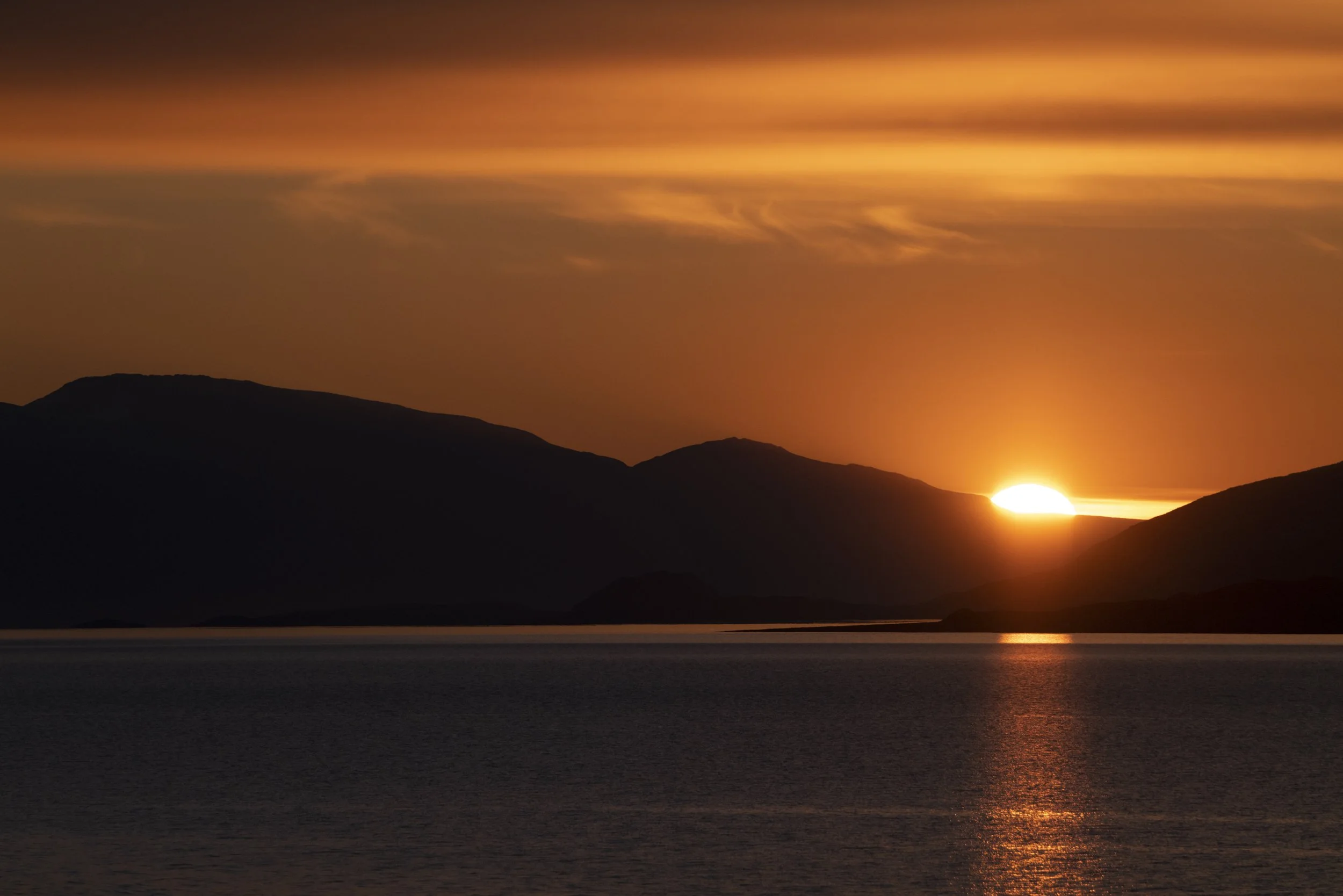
Greenland in Flux
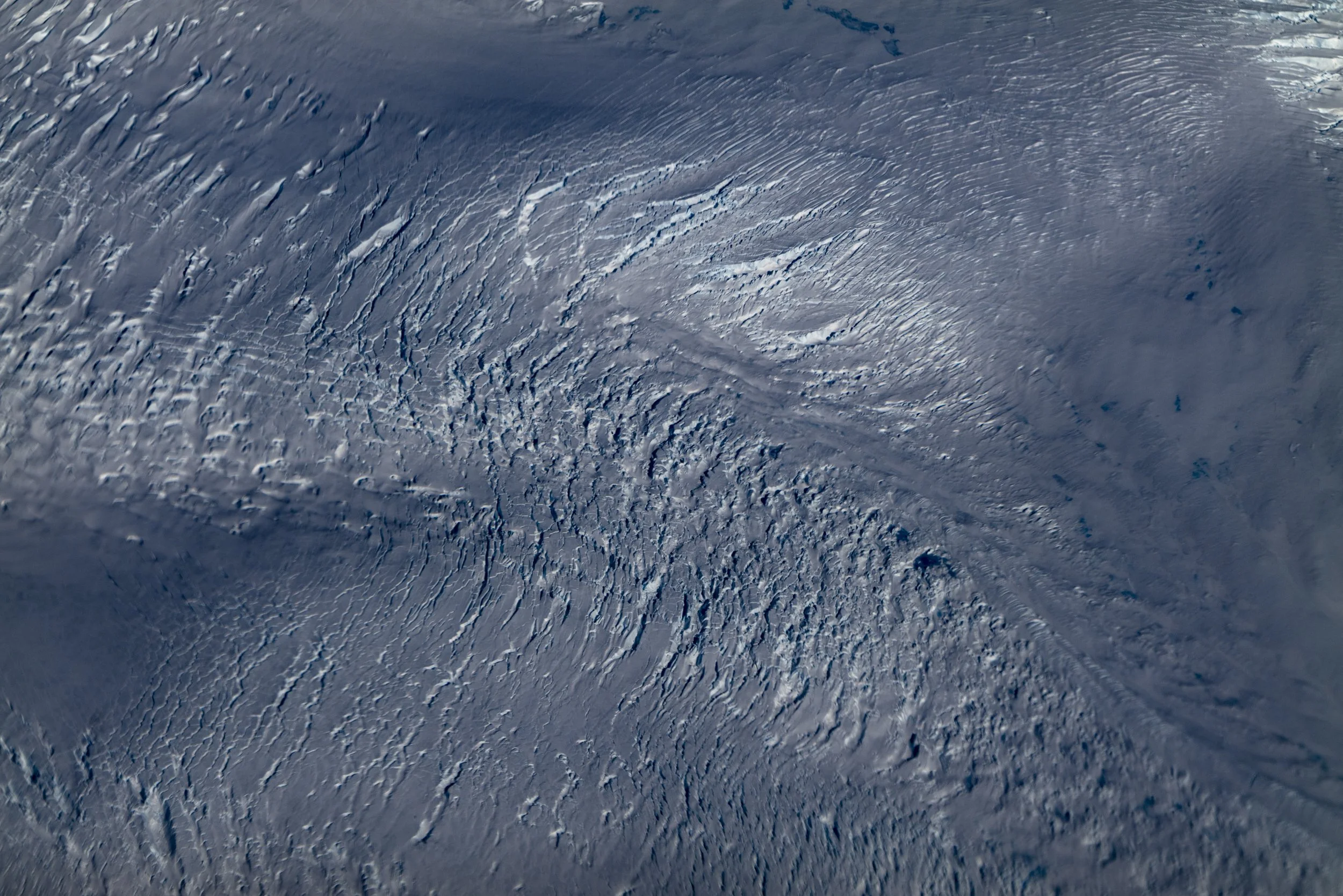
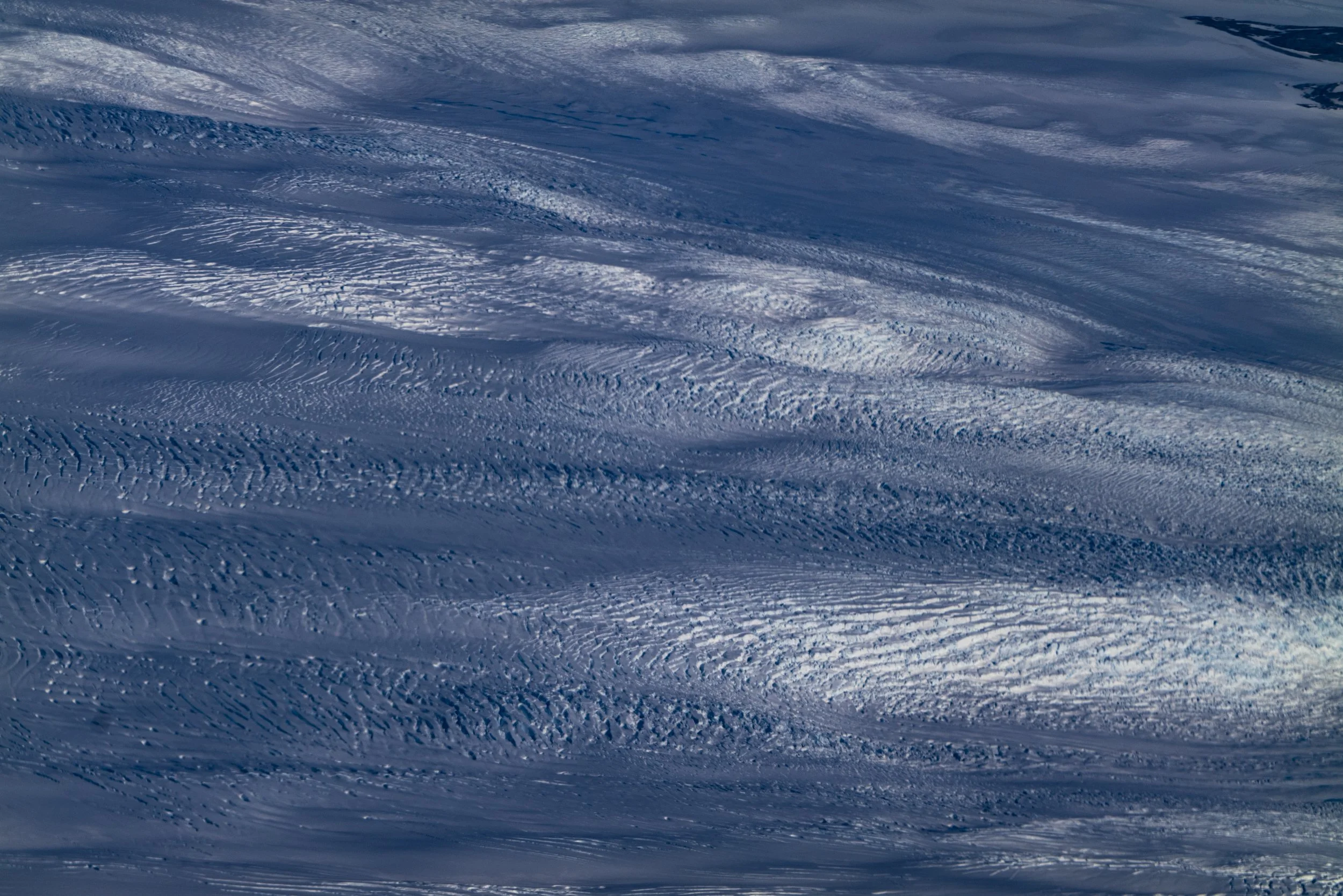
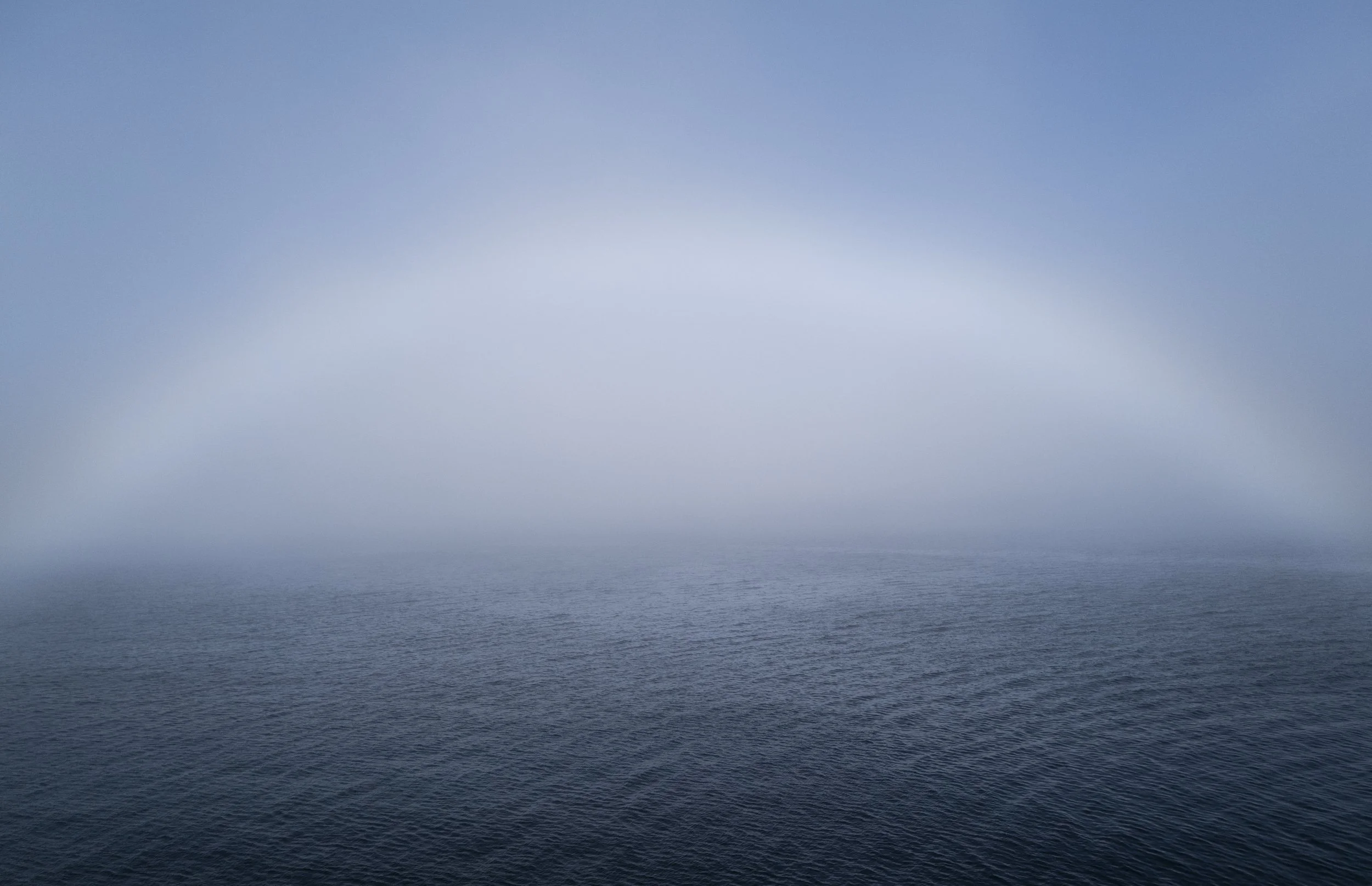
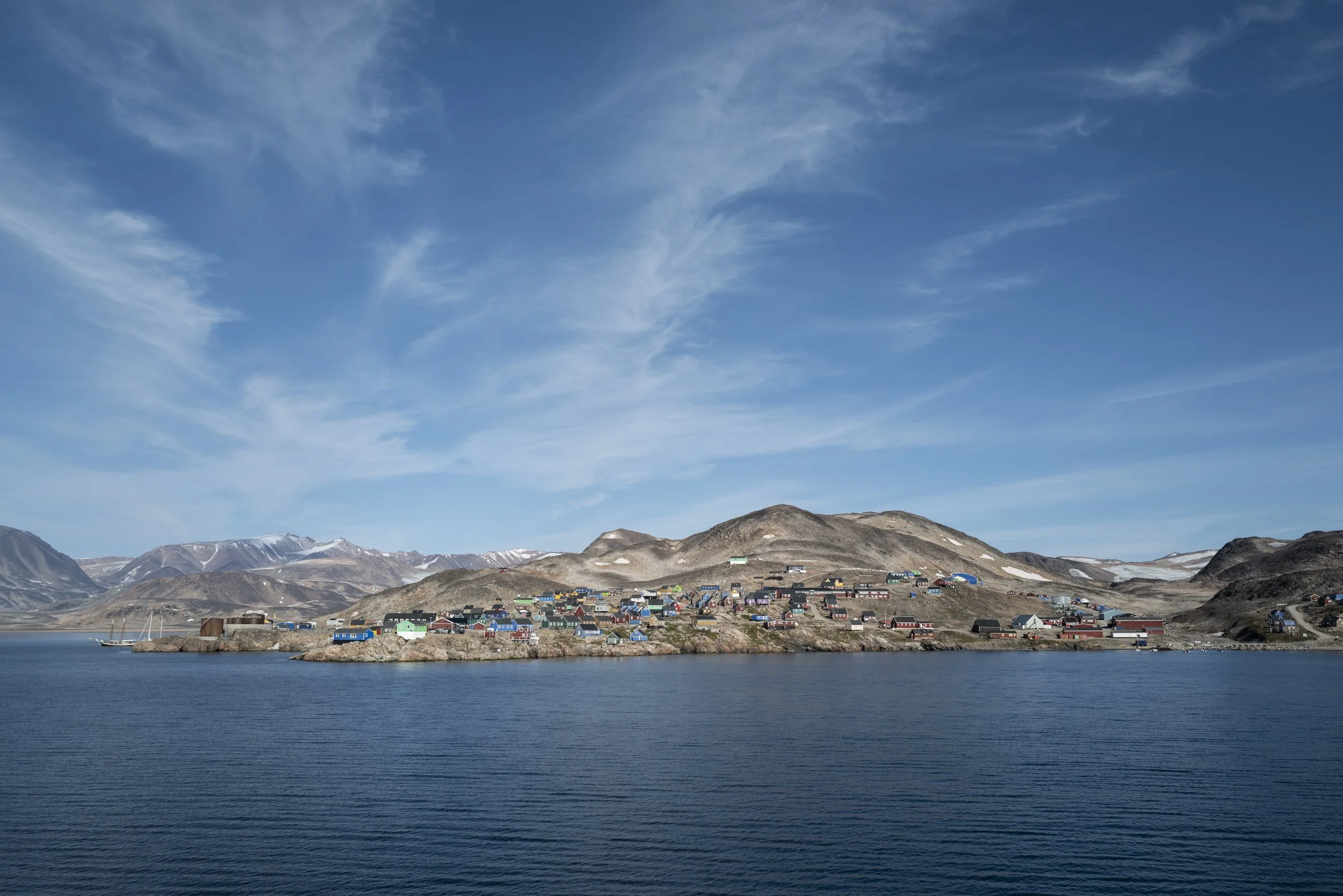
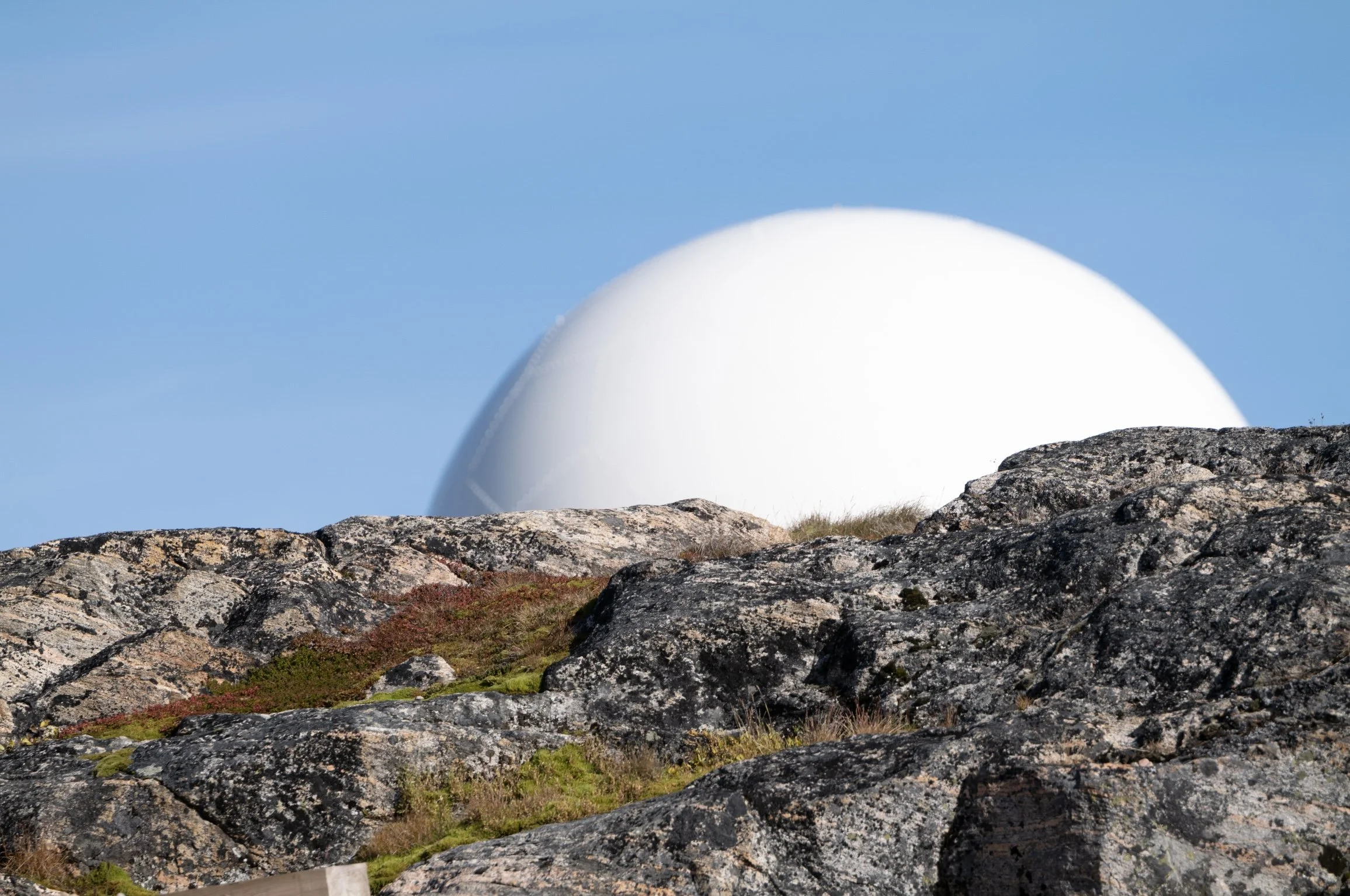
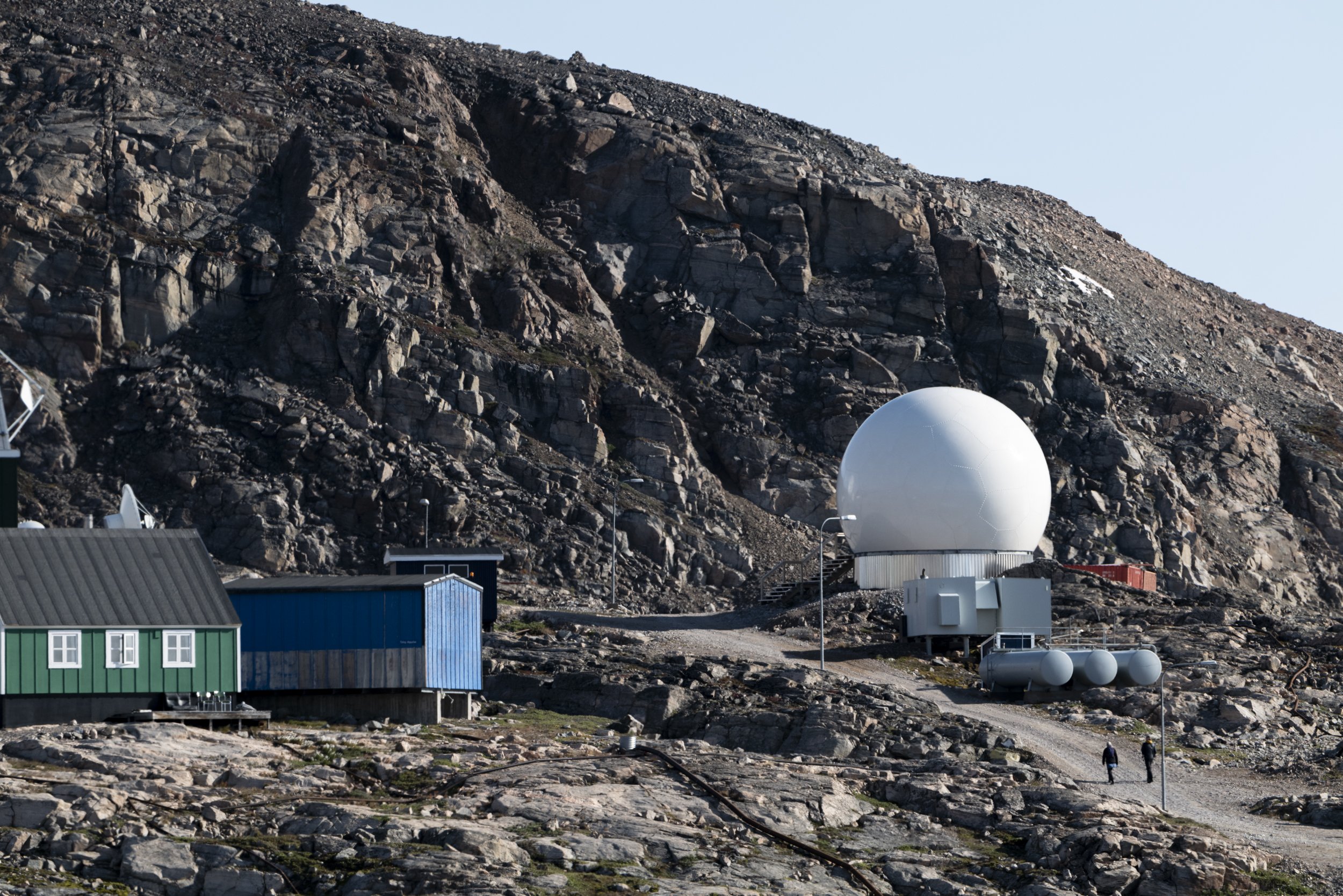
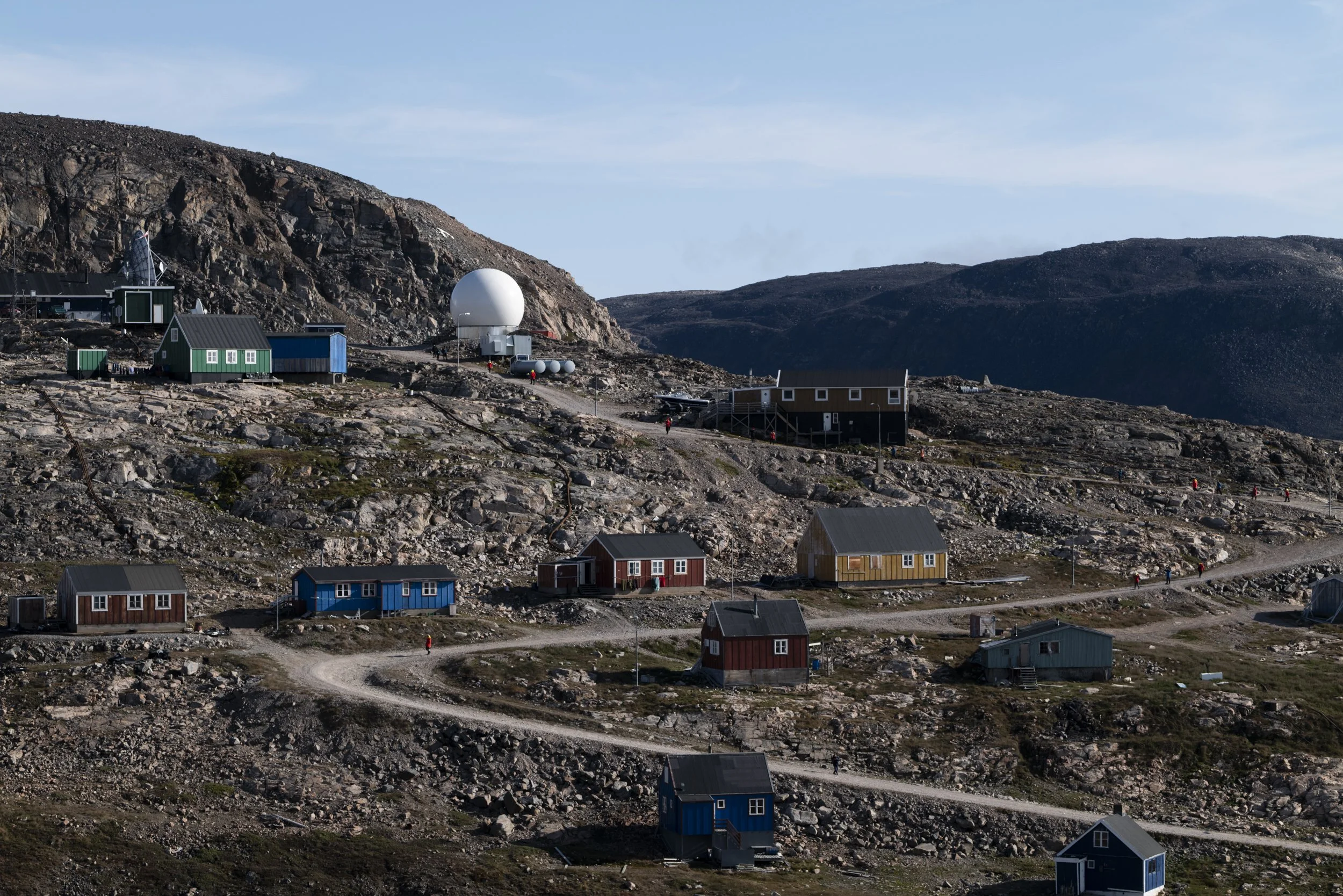
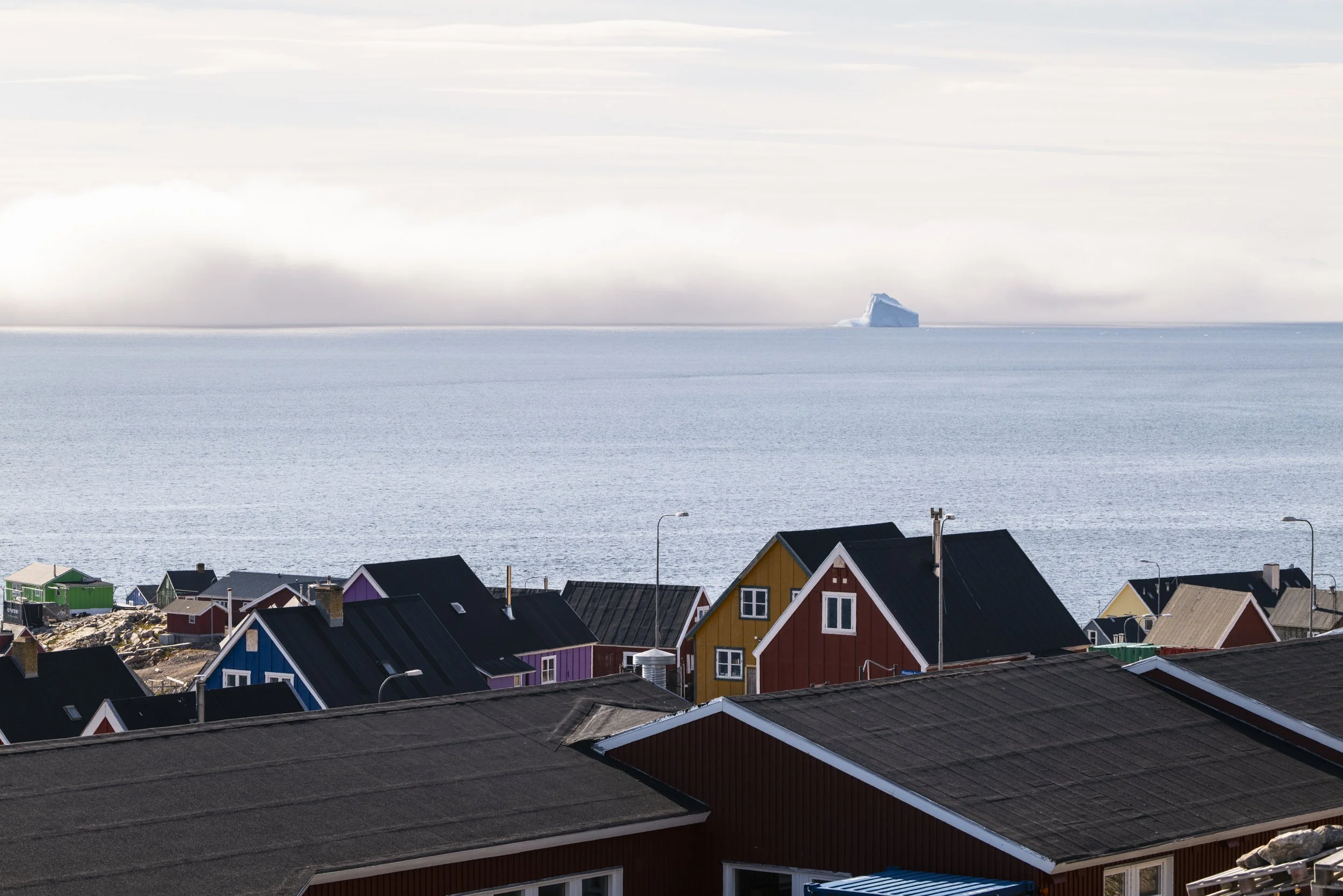
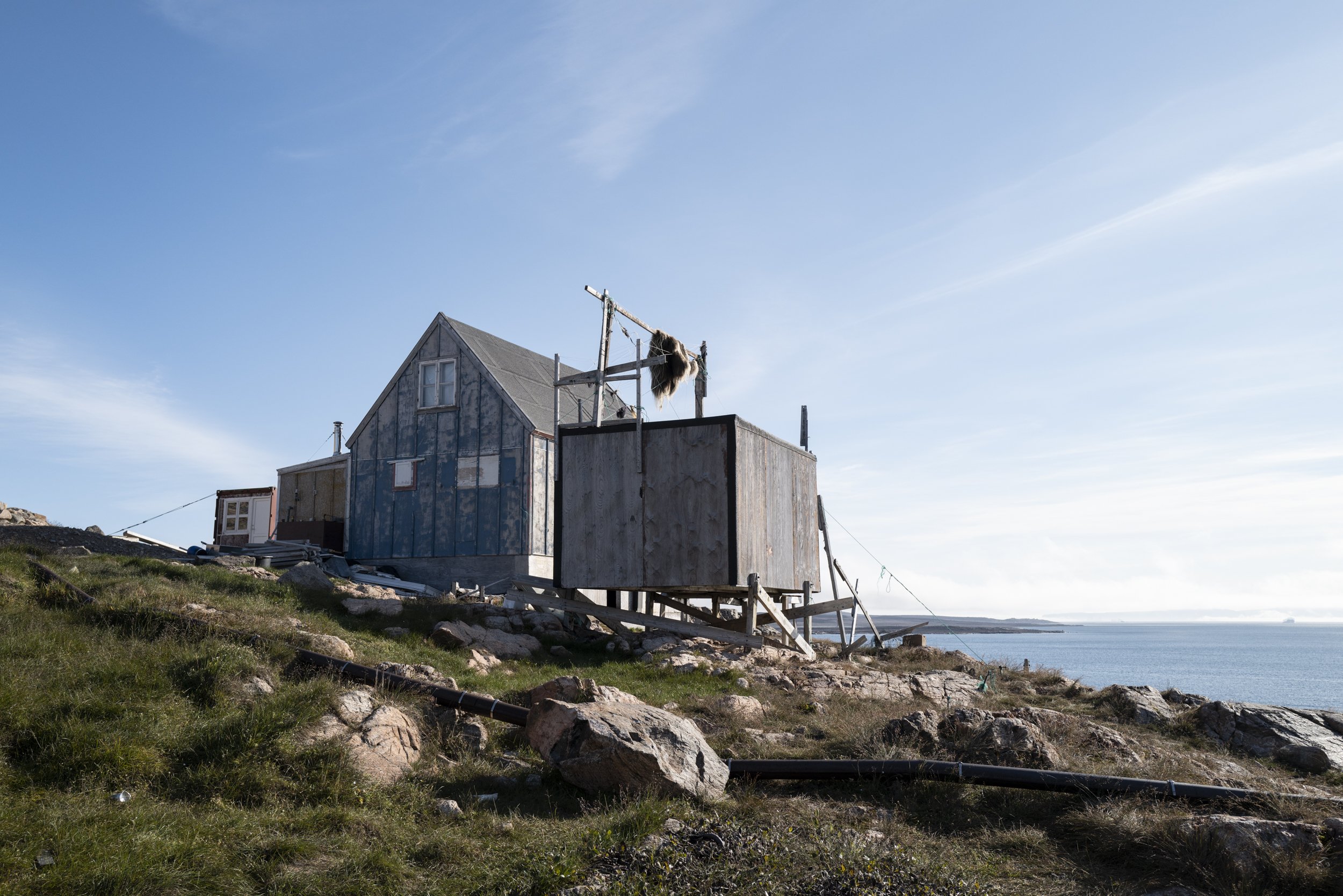
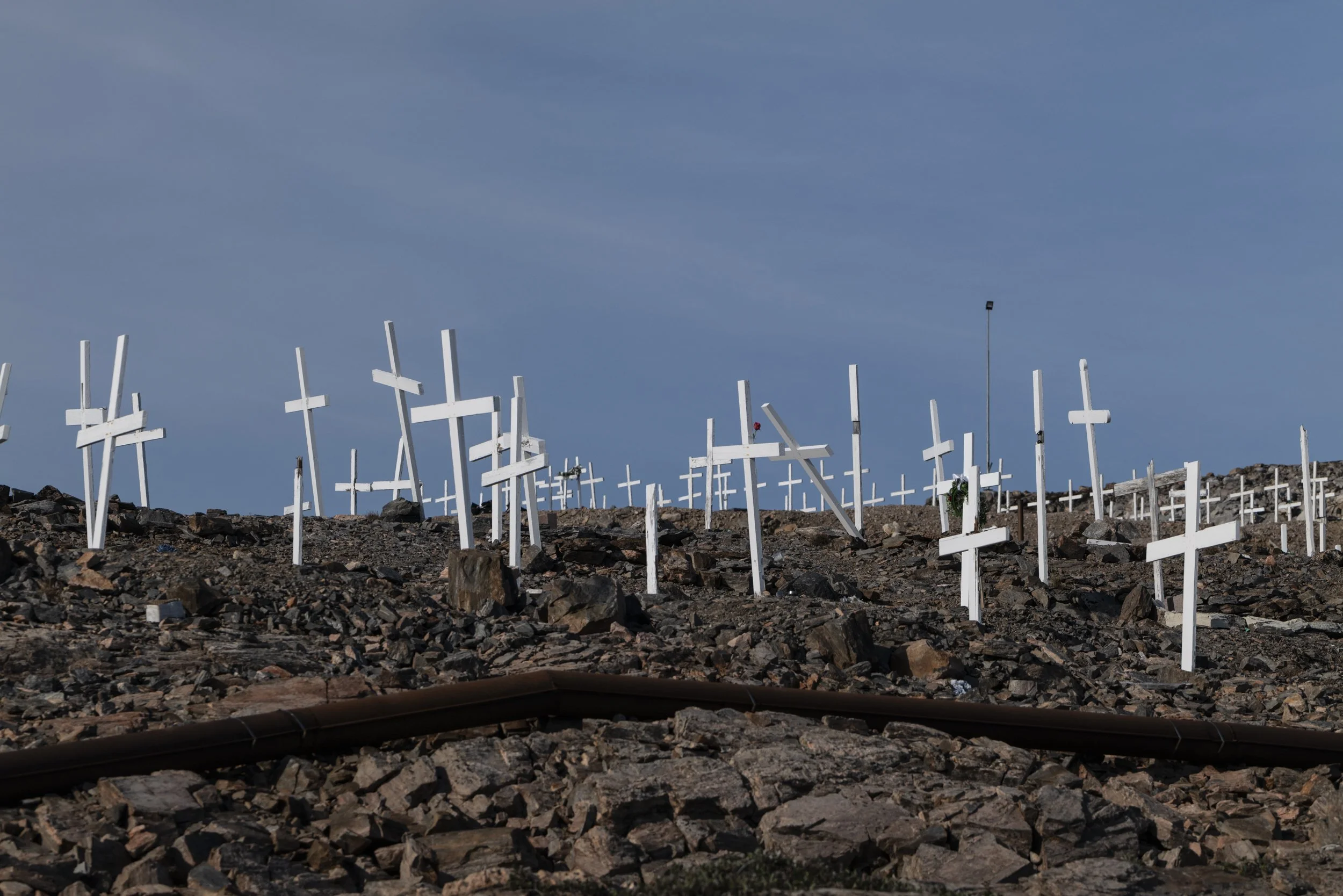
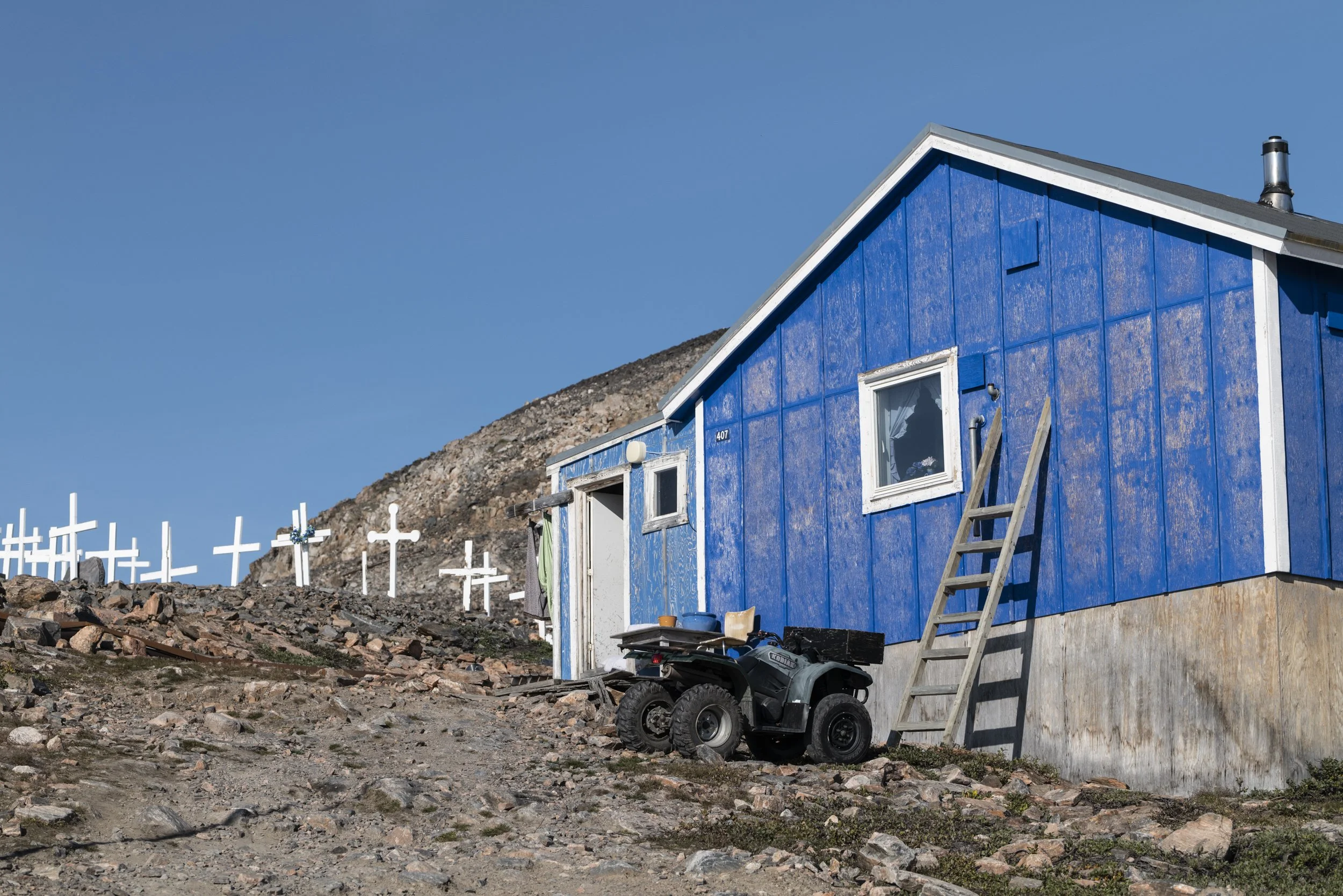
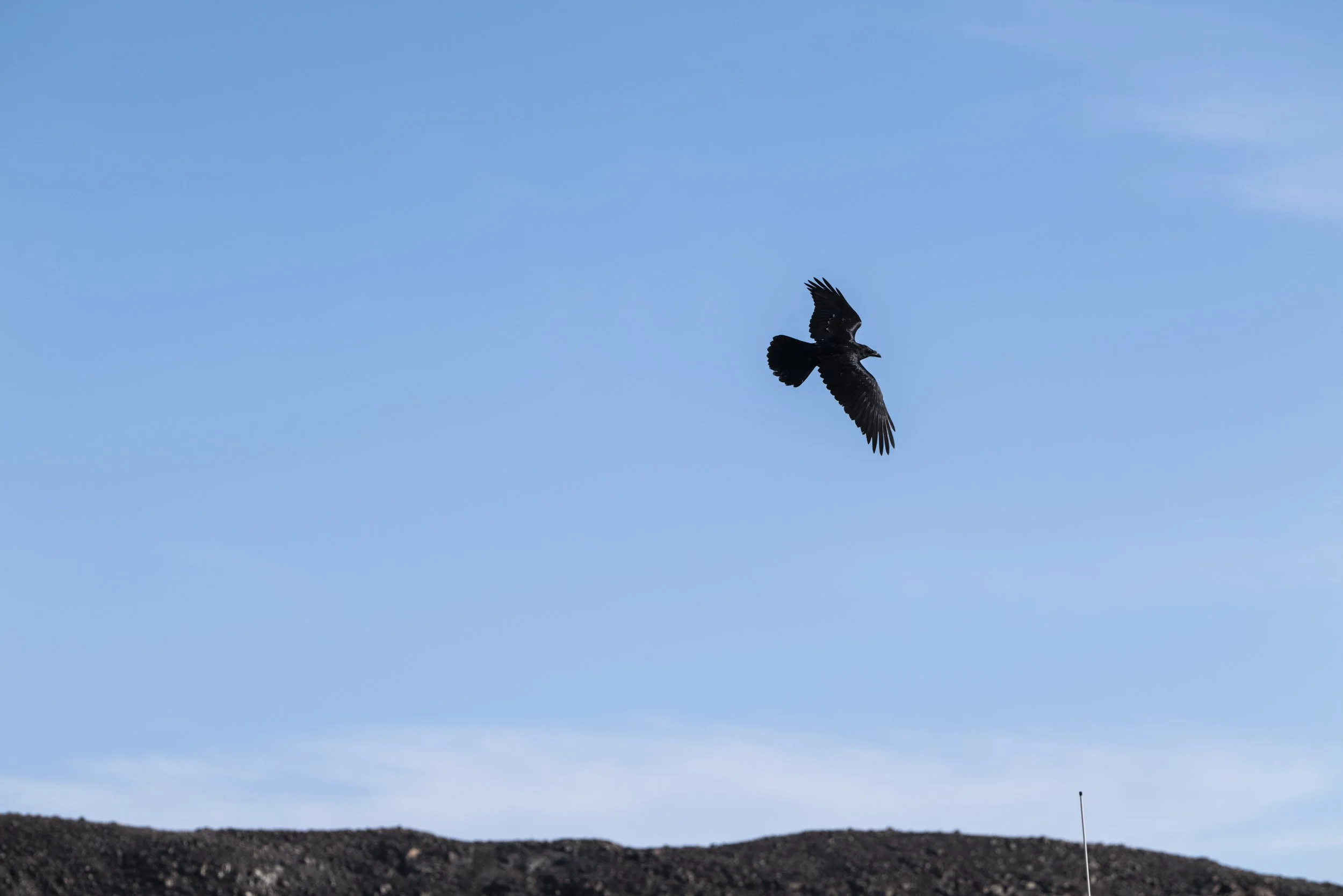
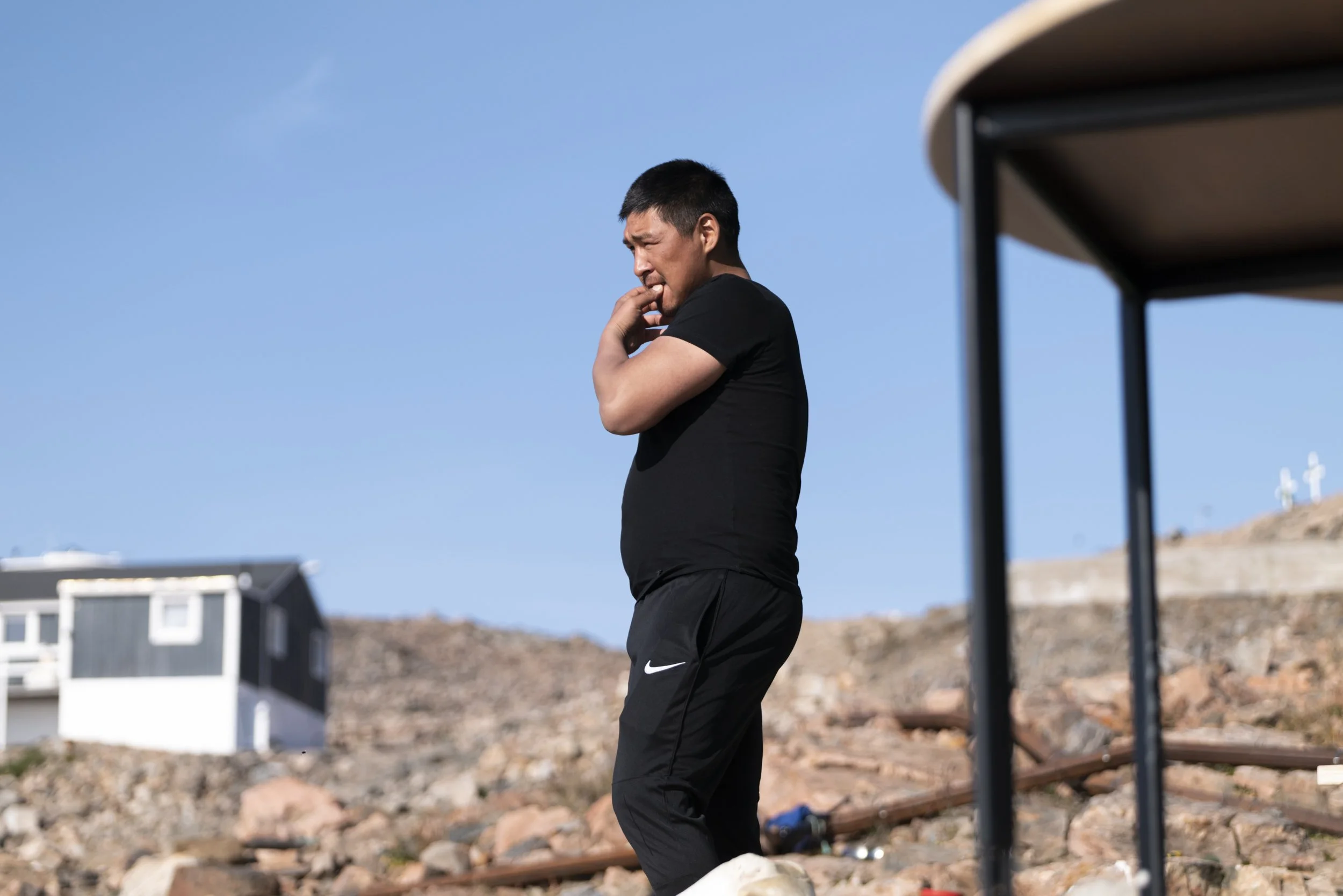
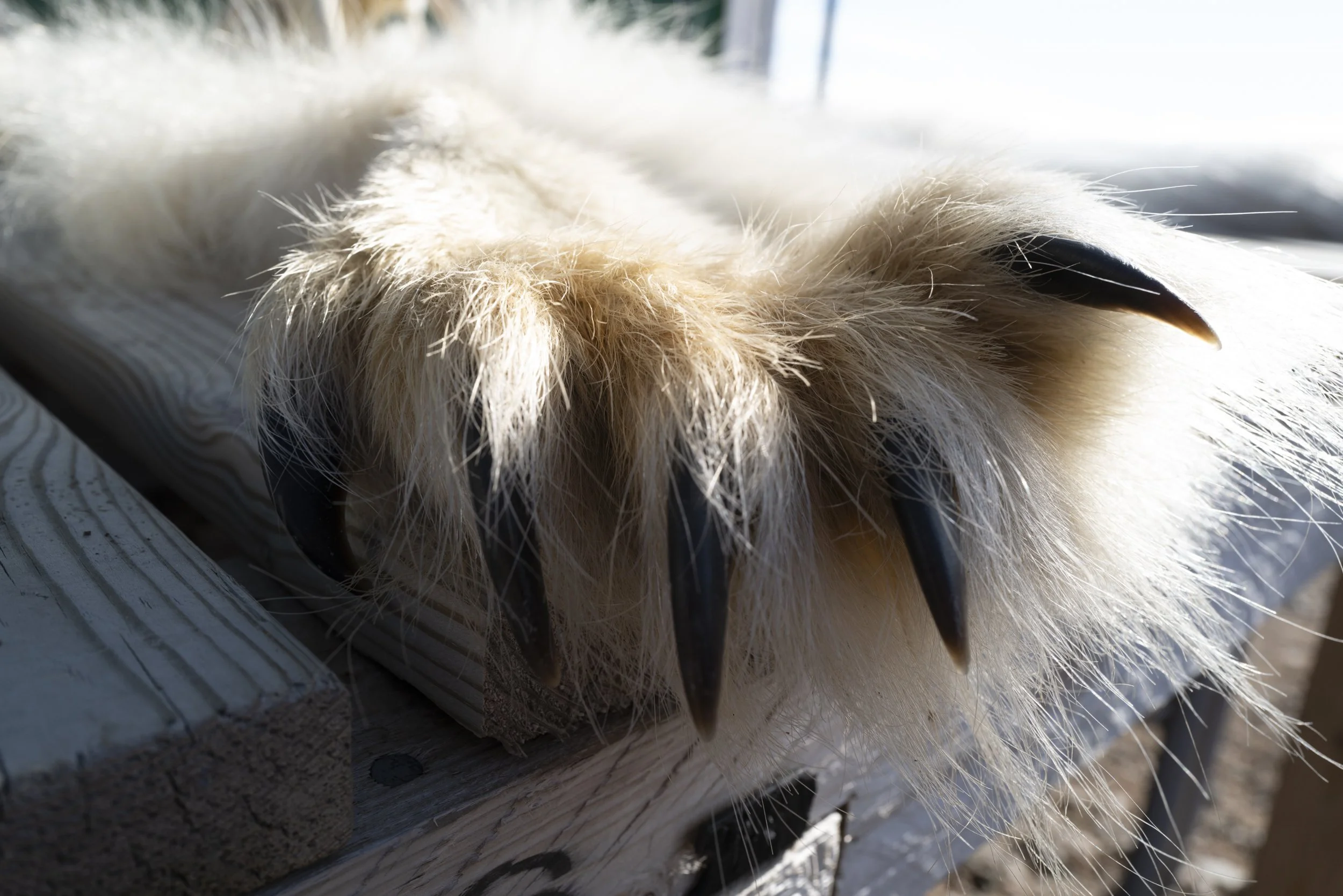
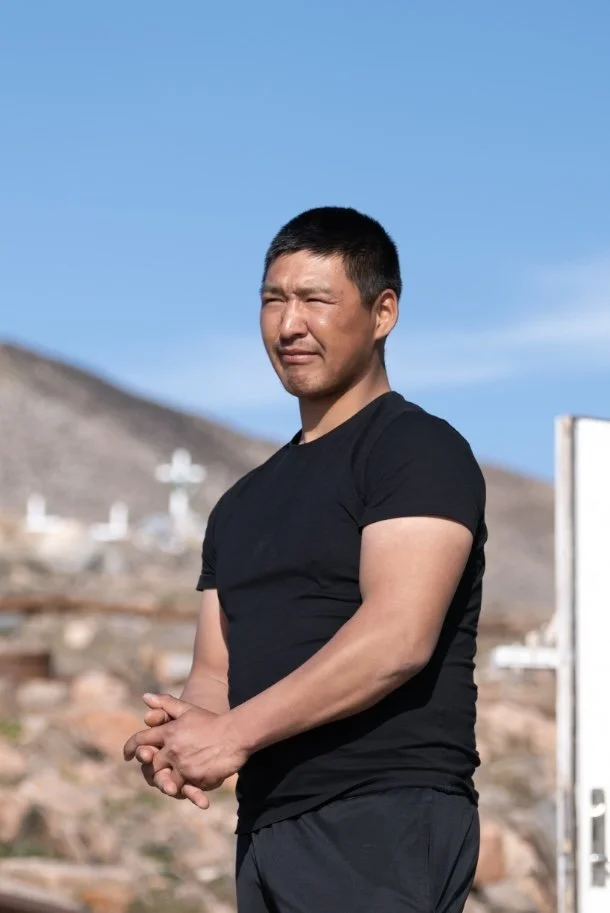
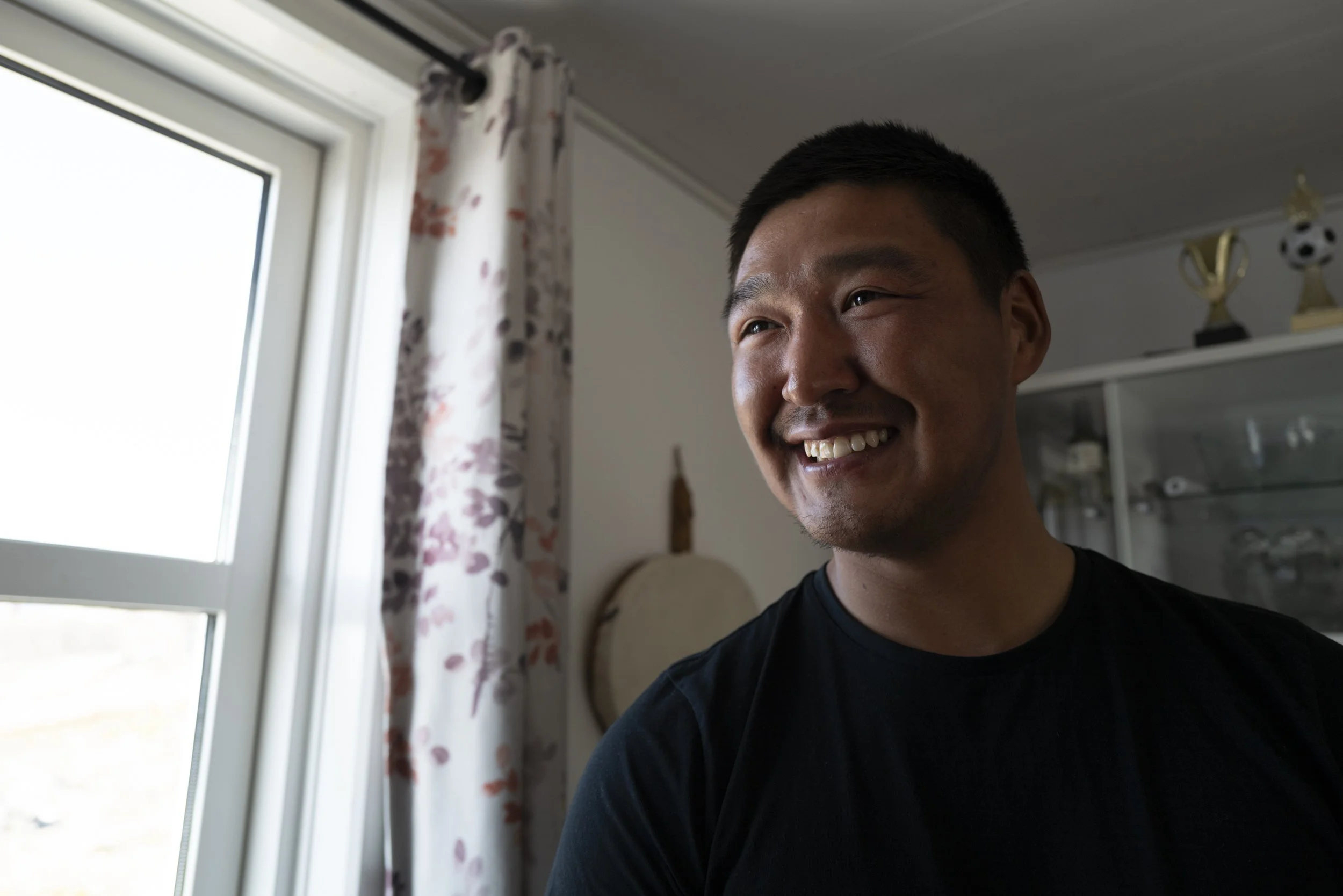
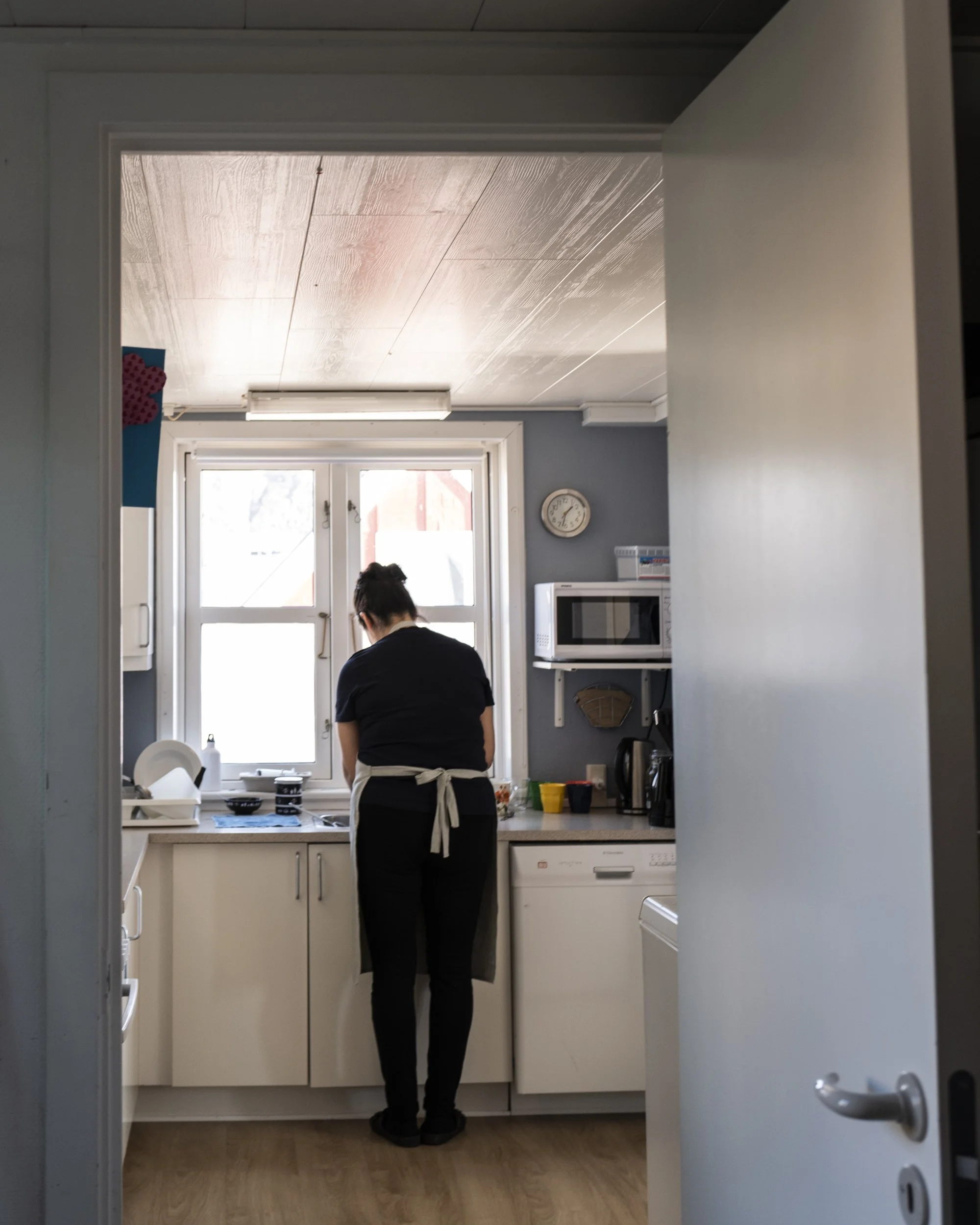
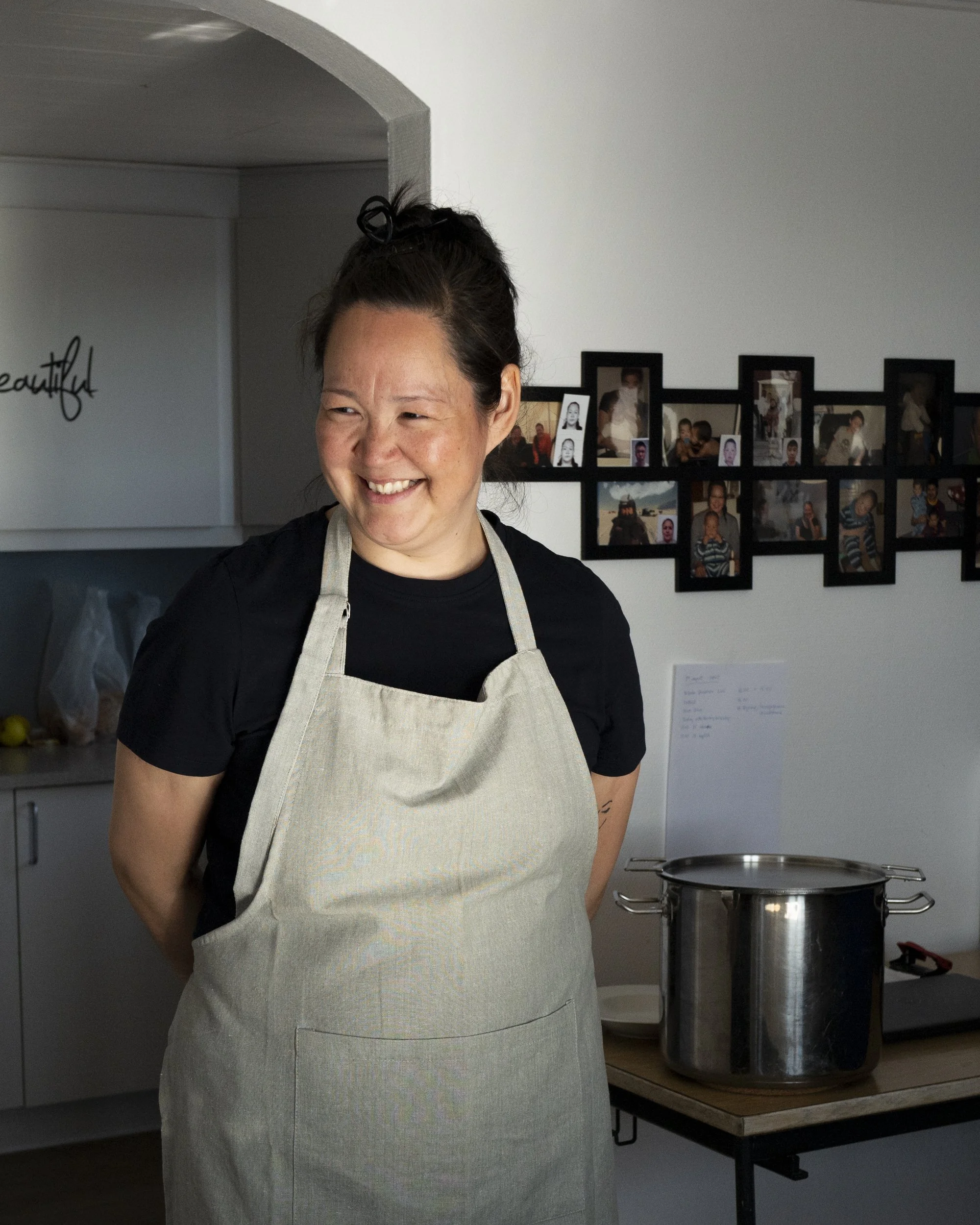
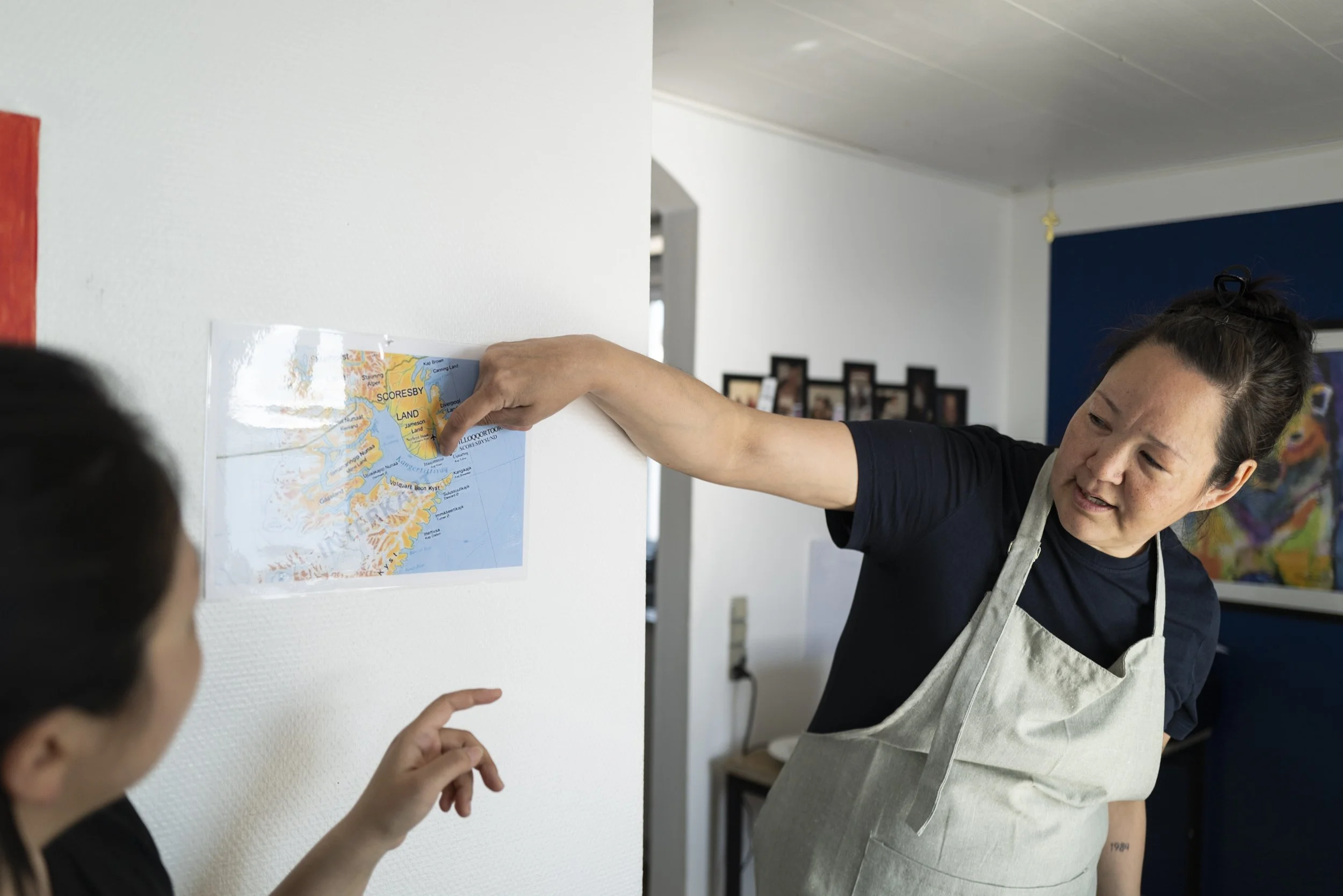
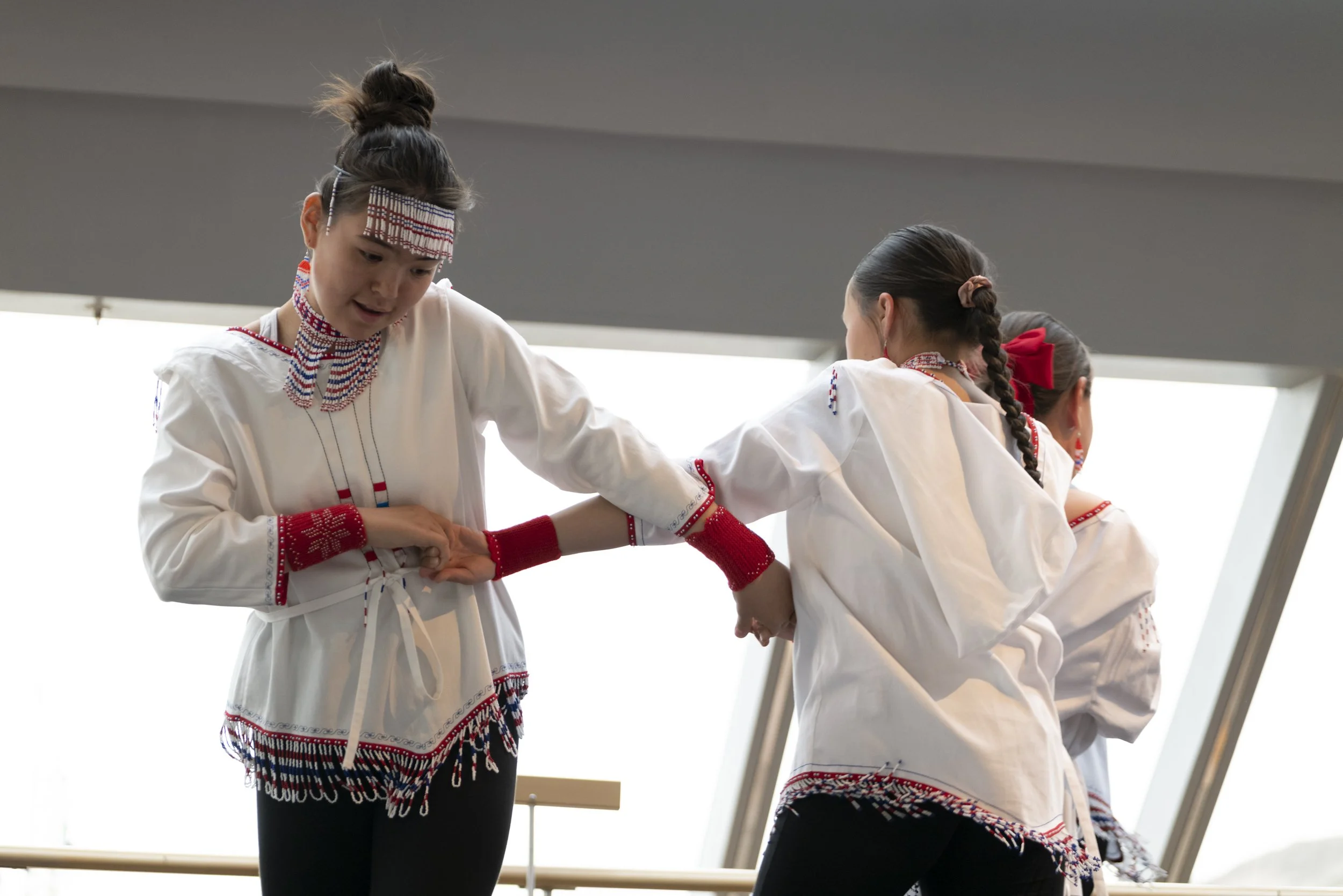
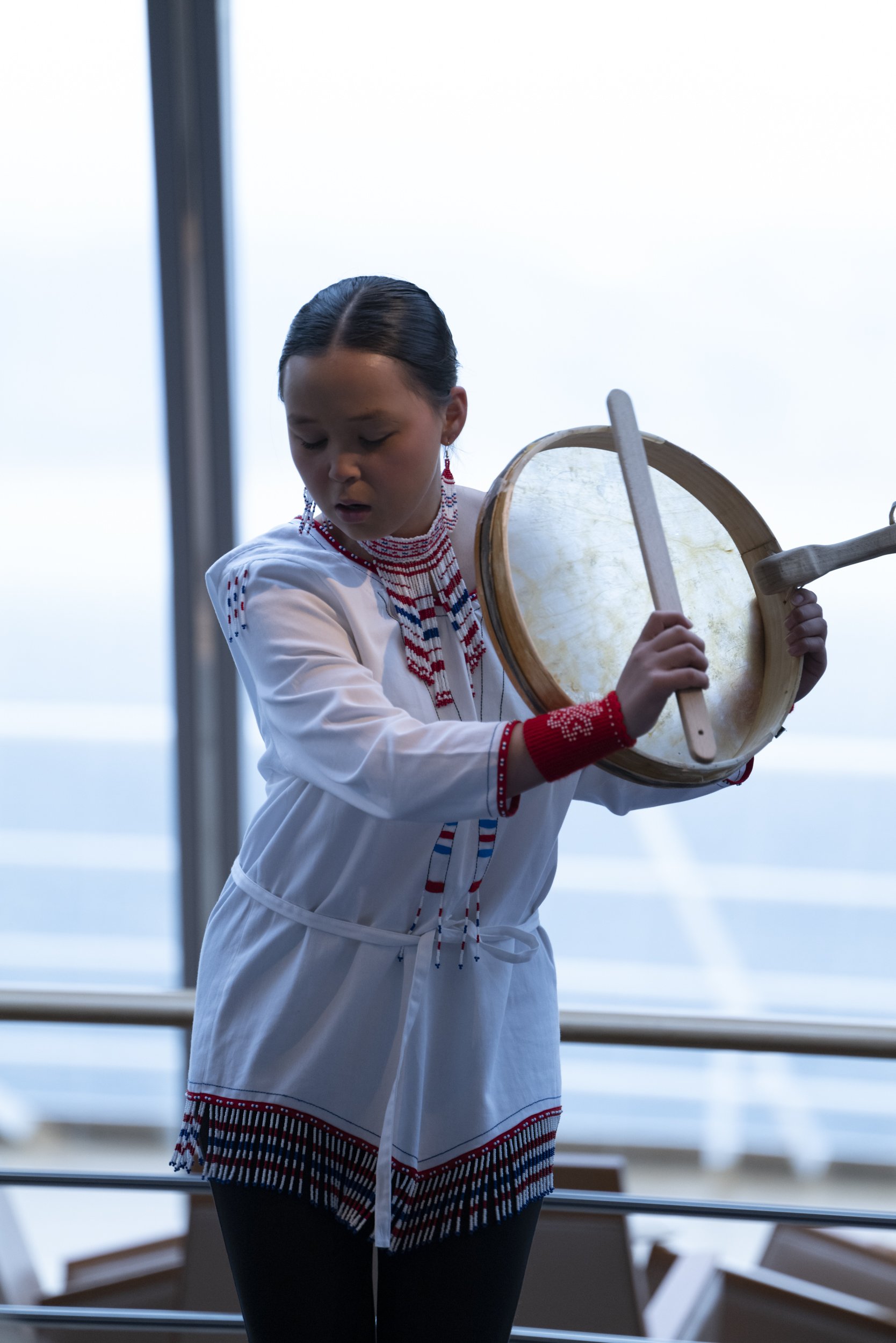
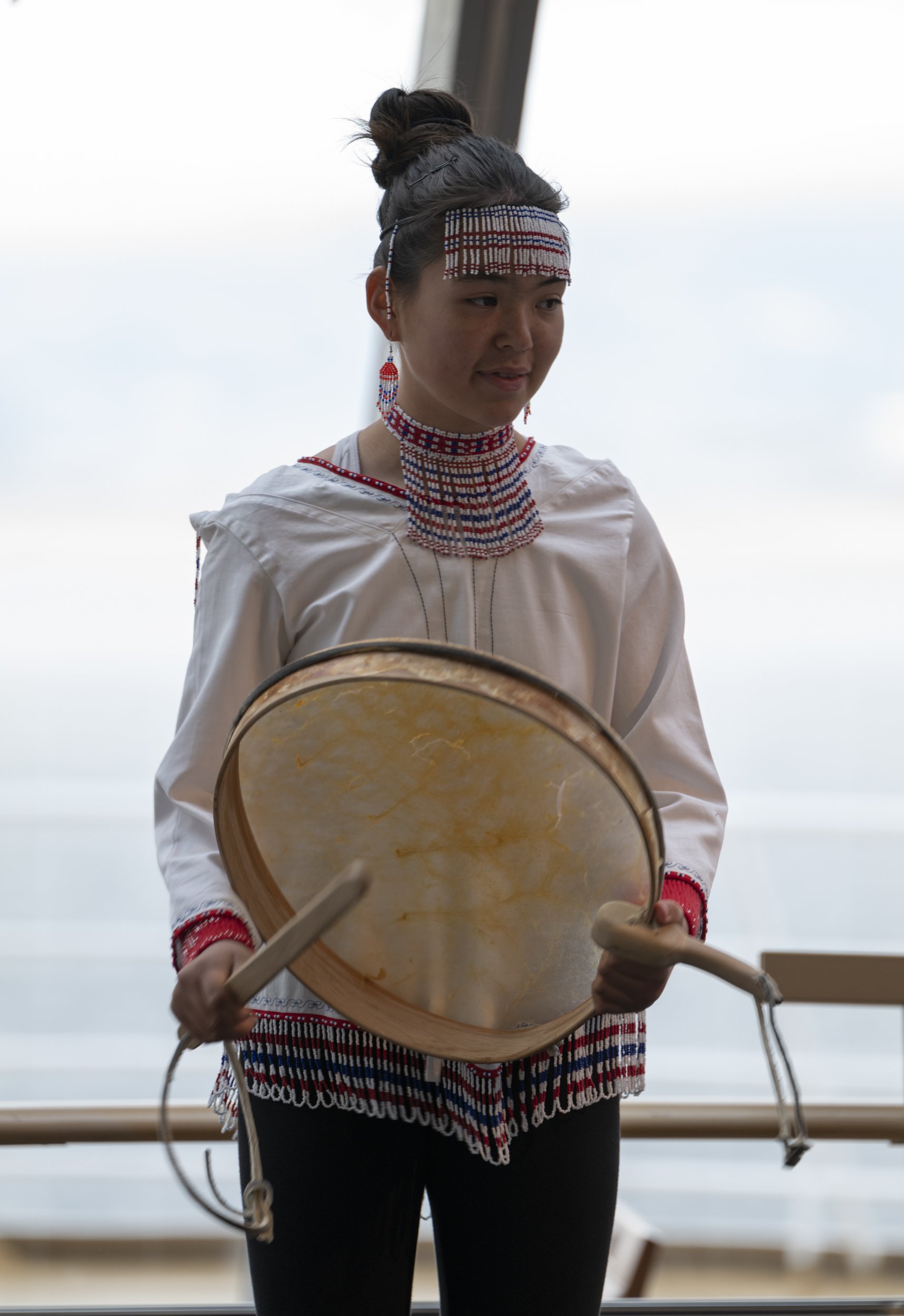
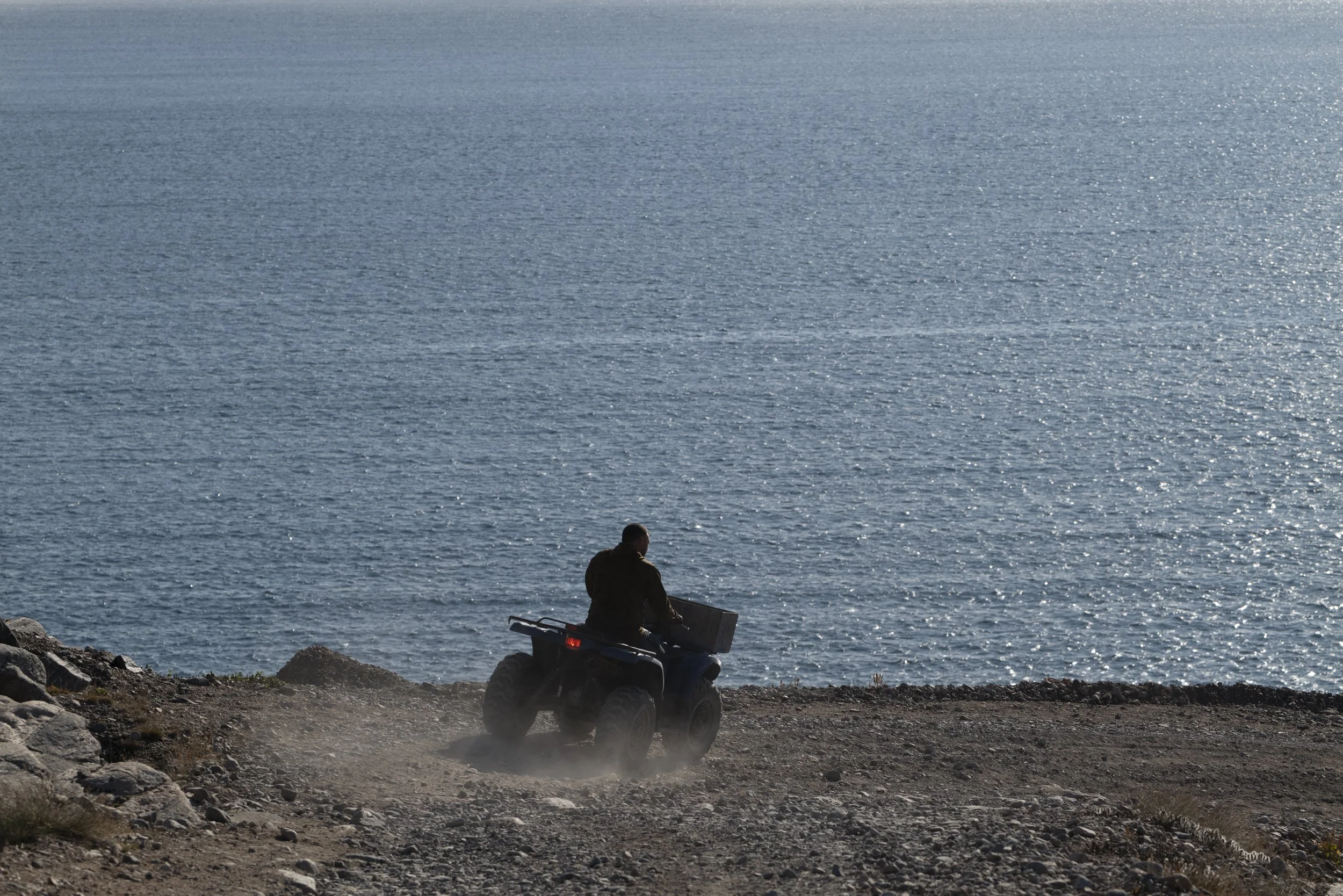
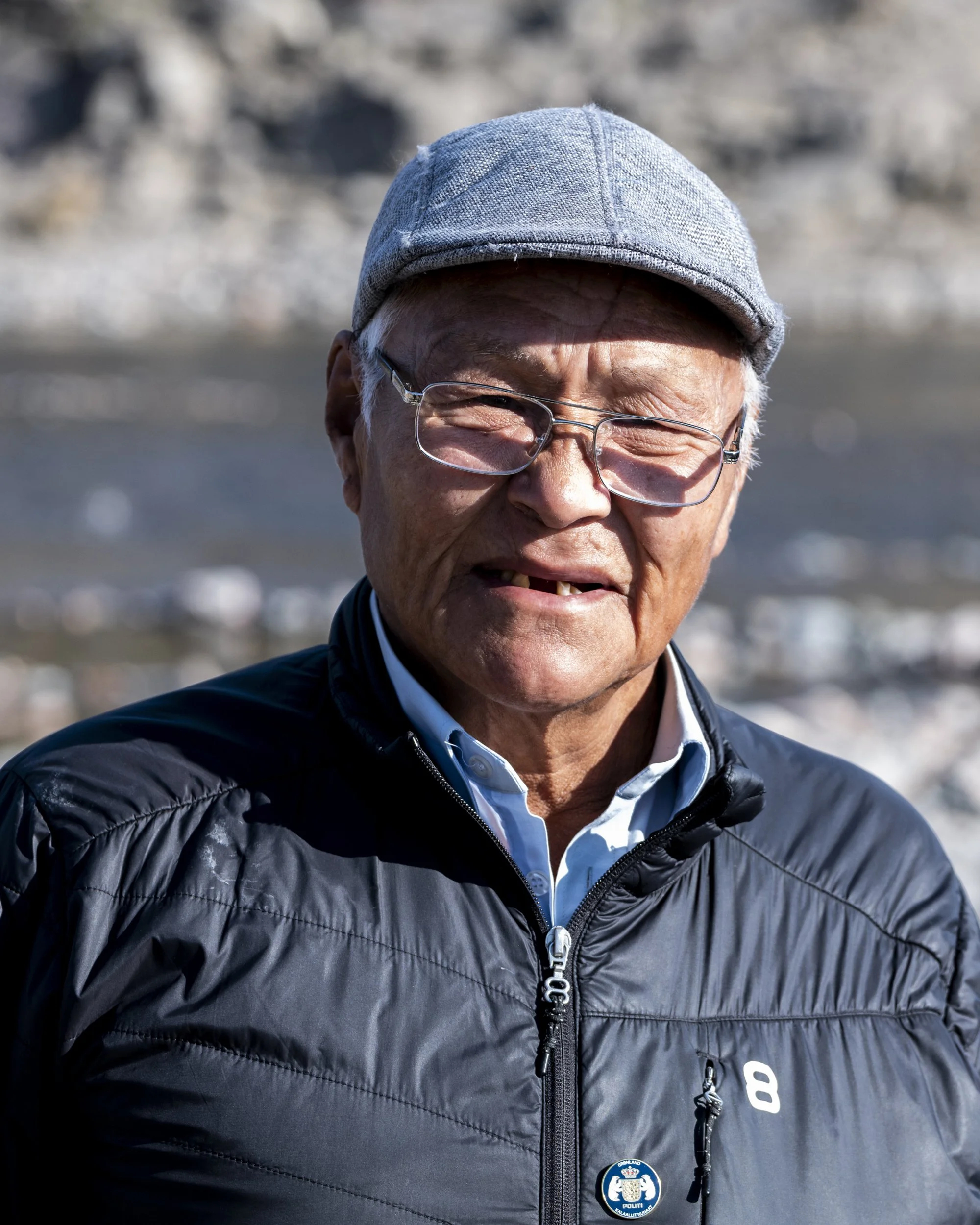
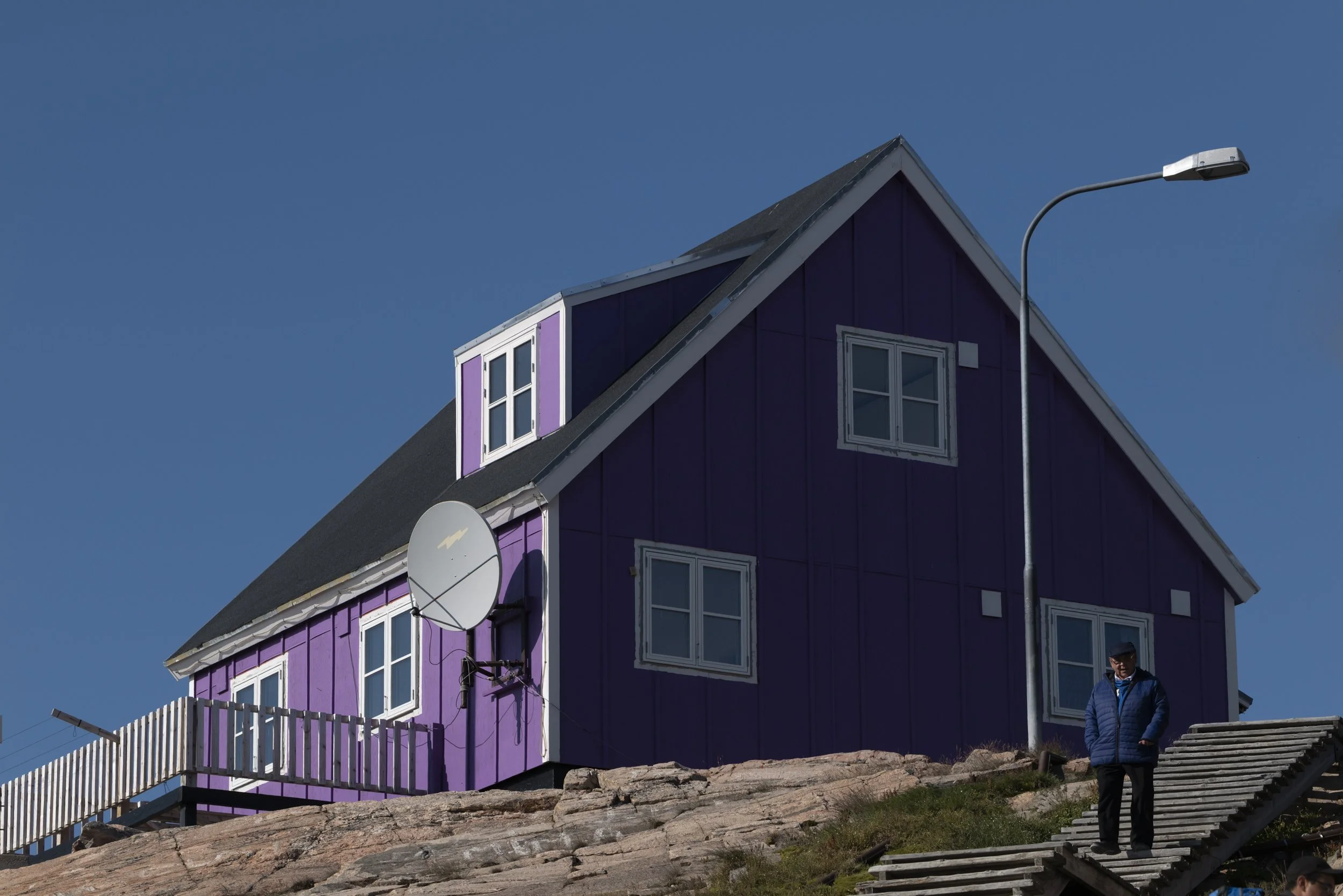
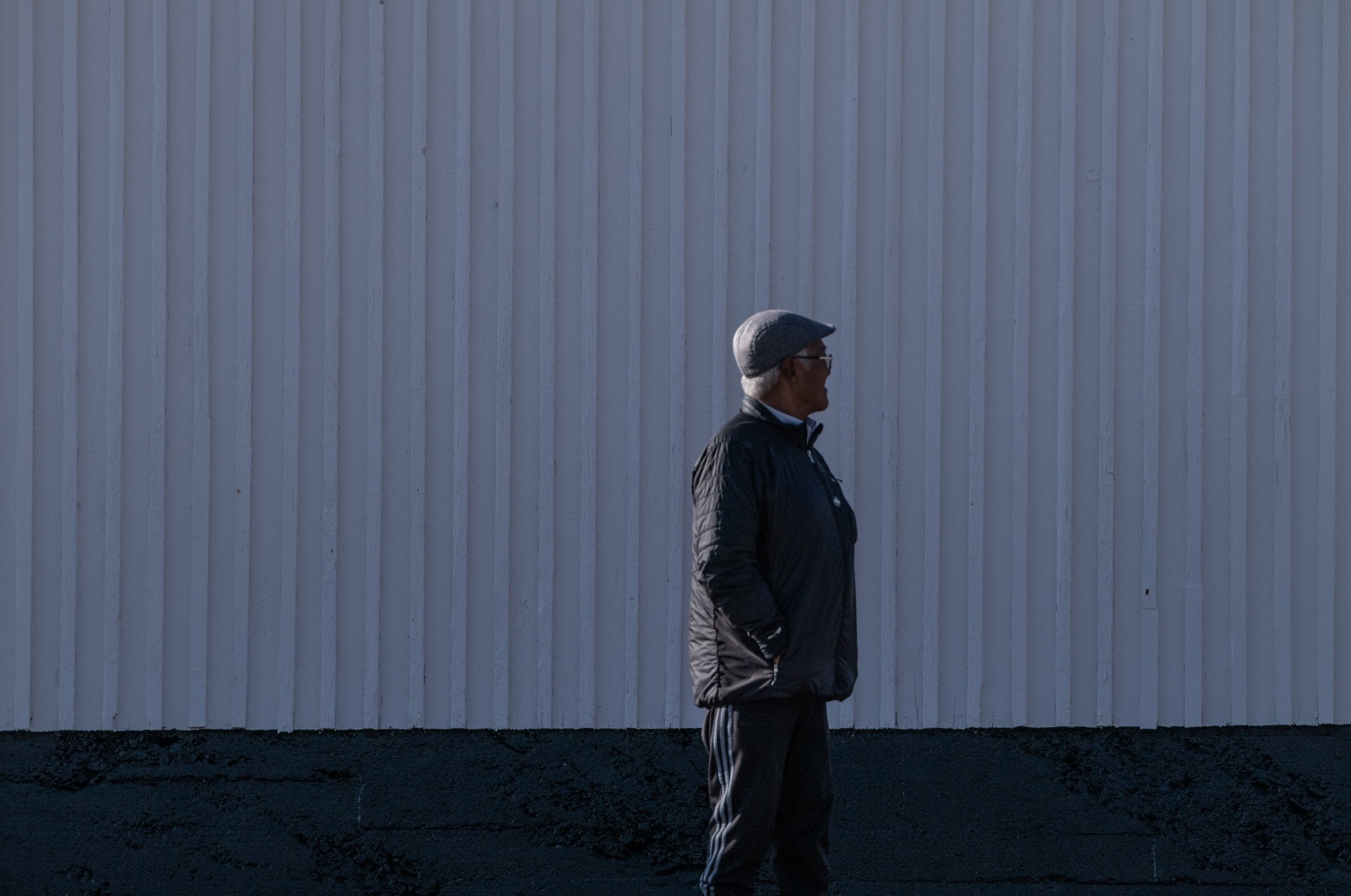
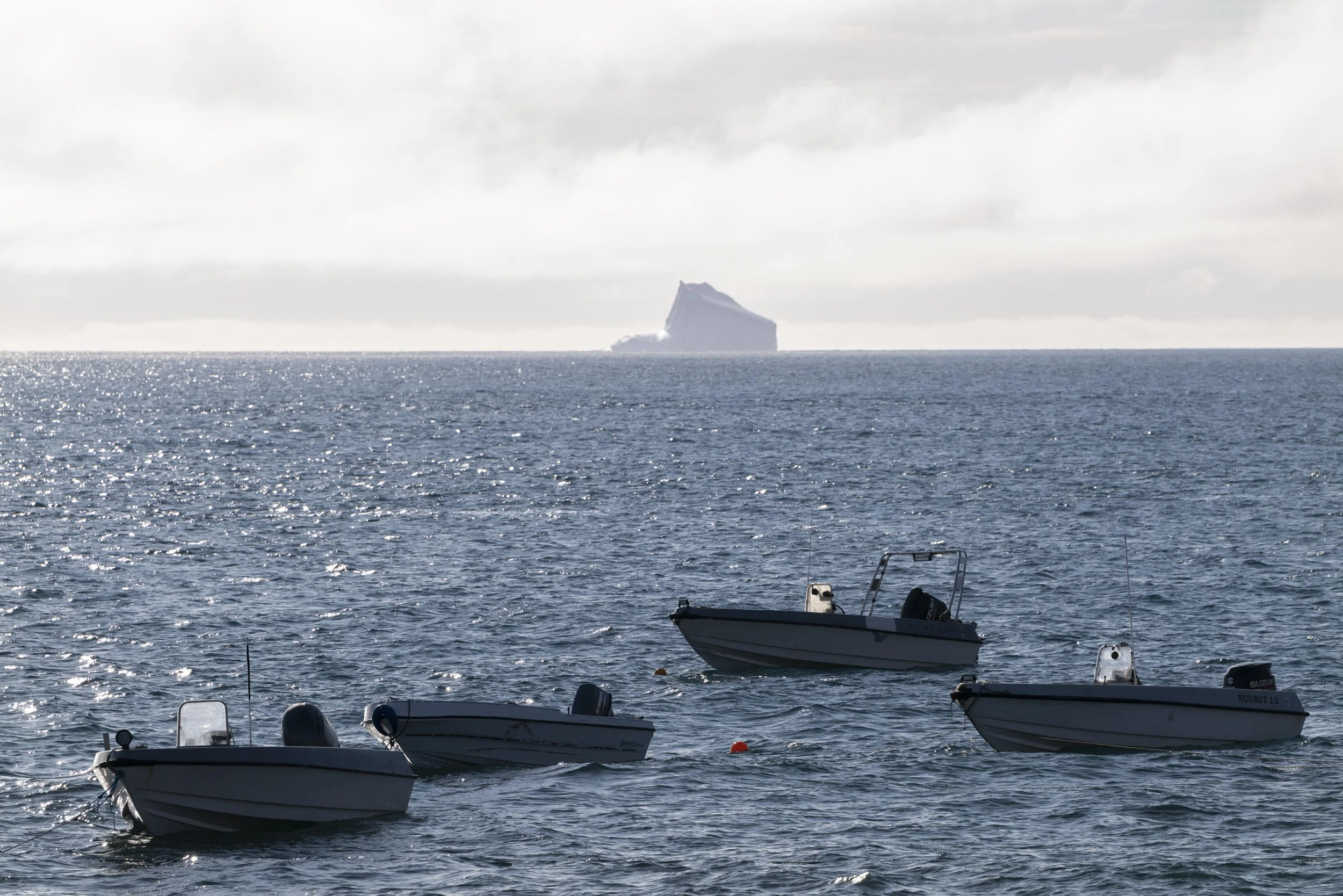
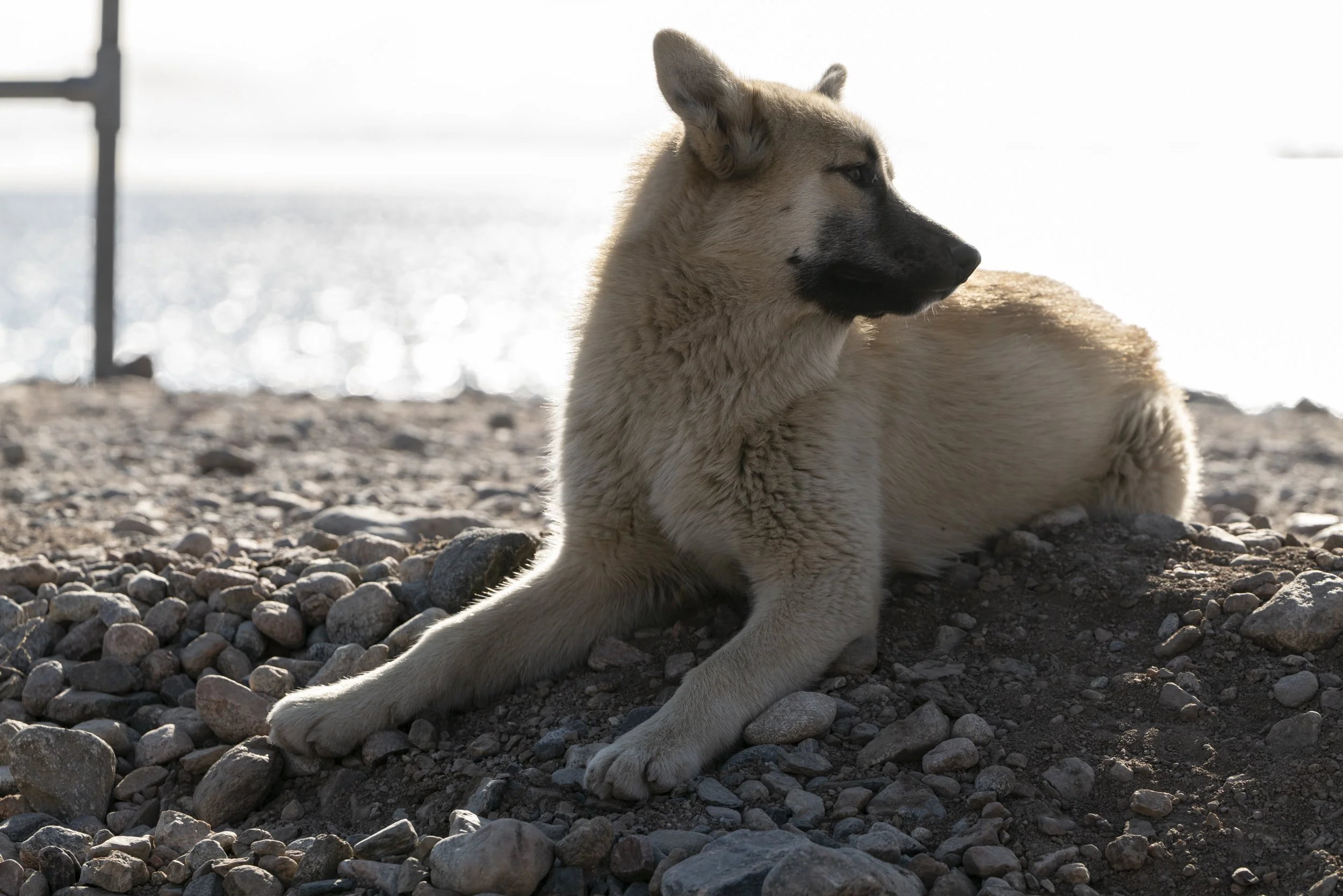
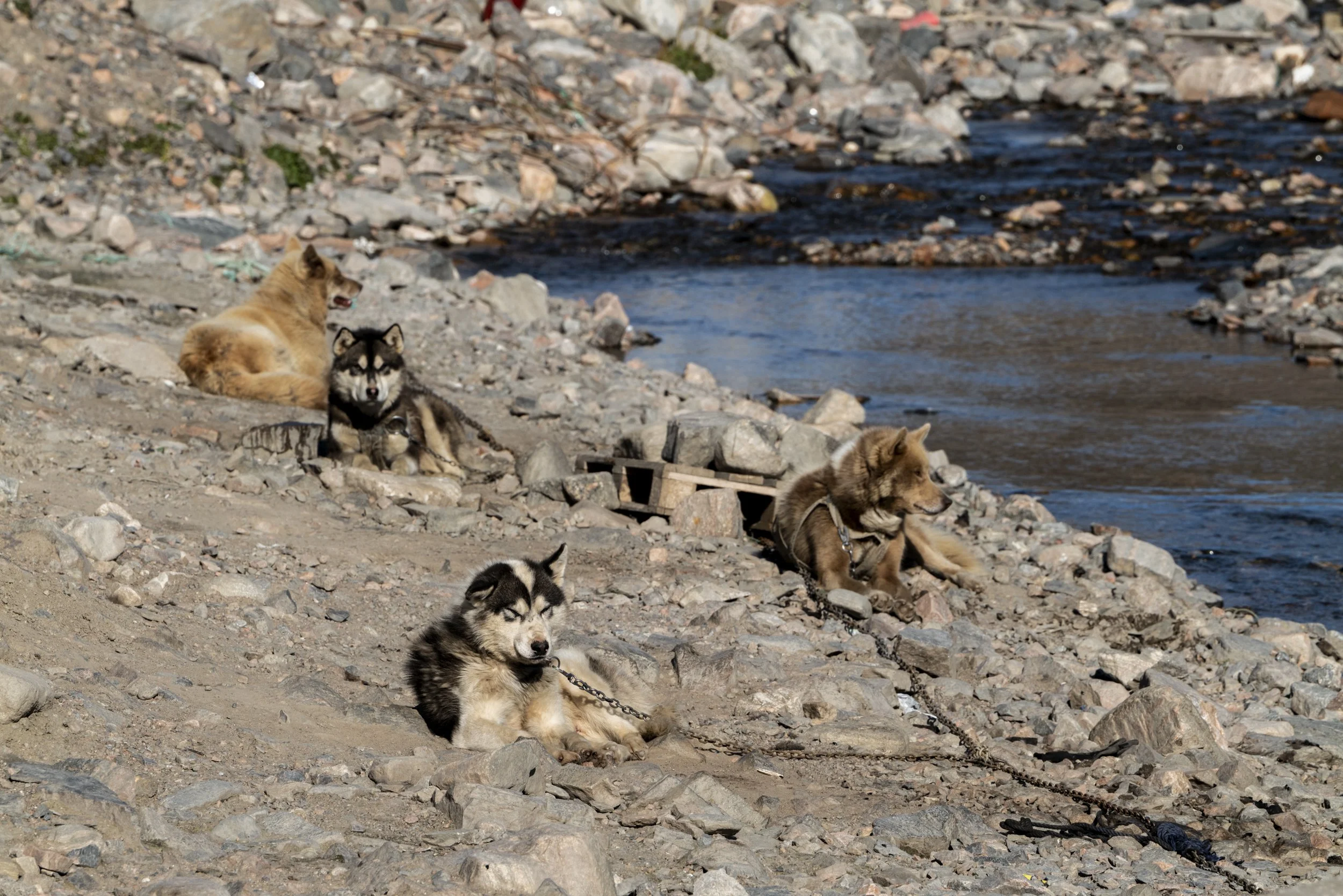
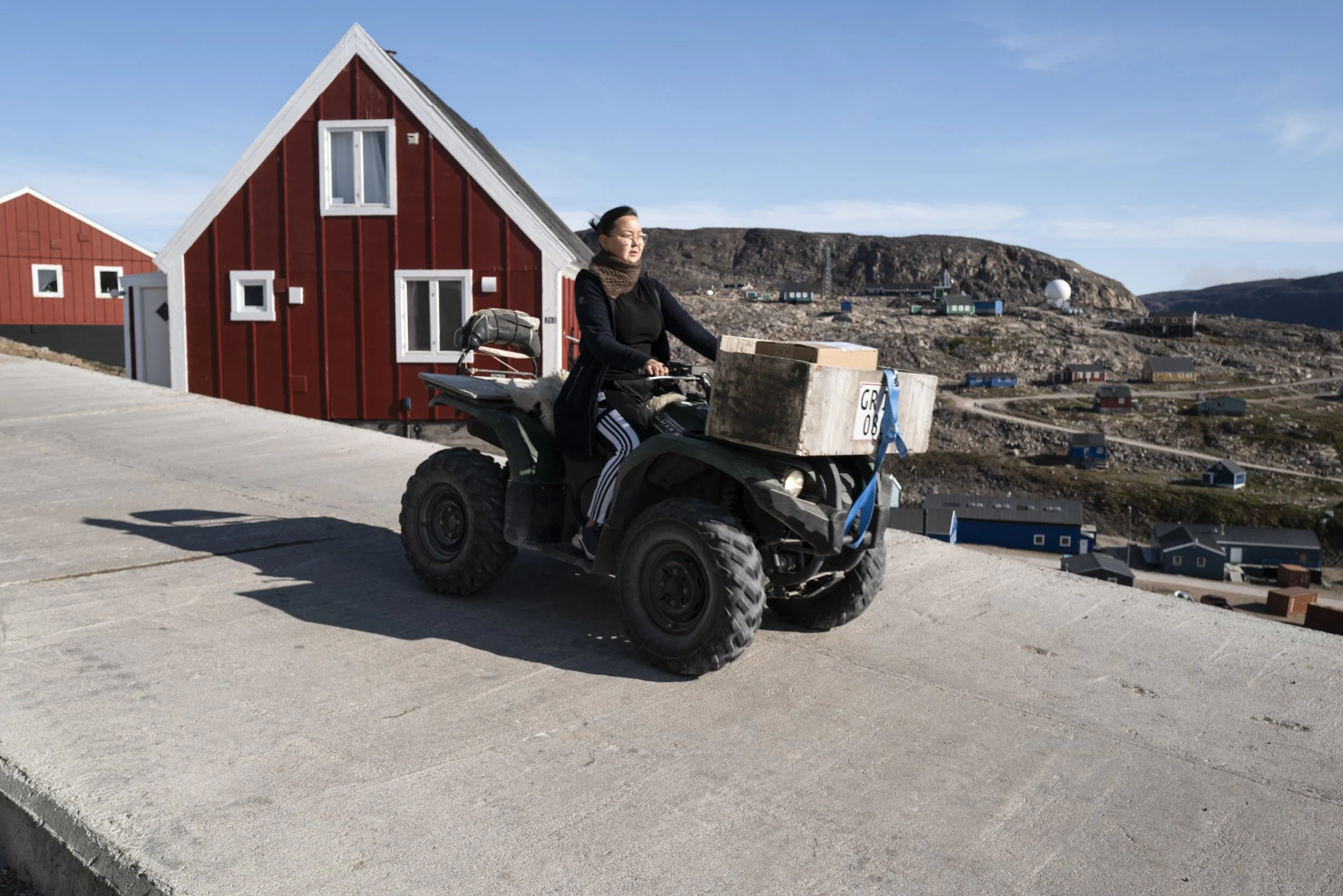
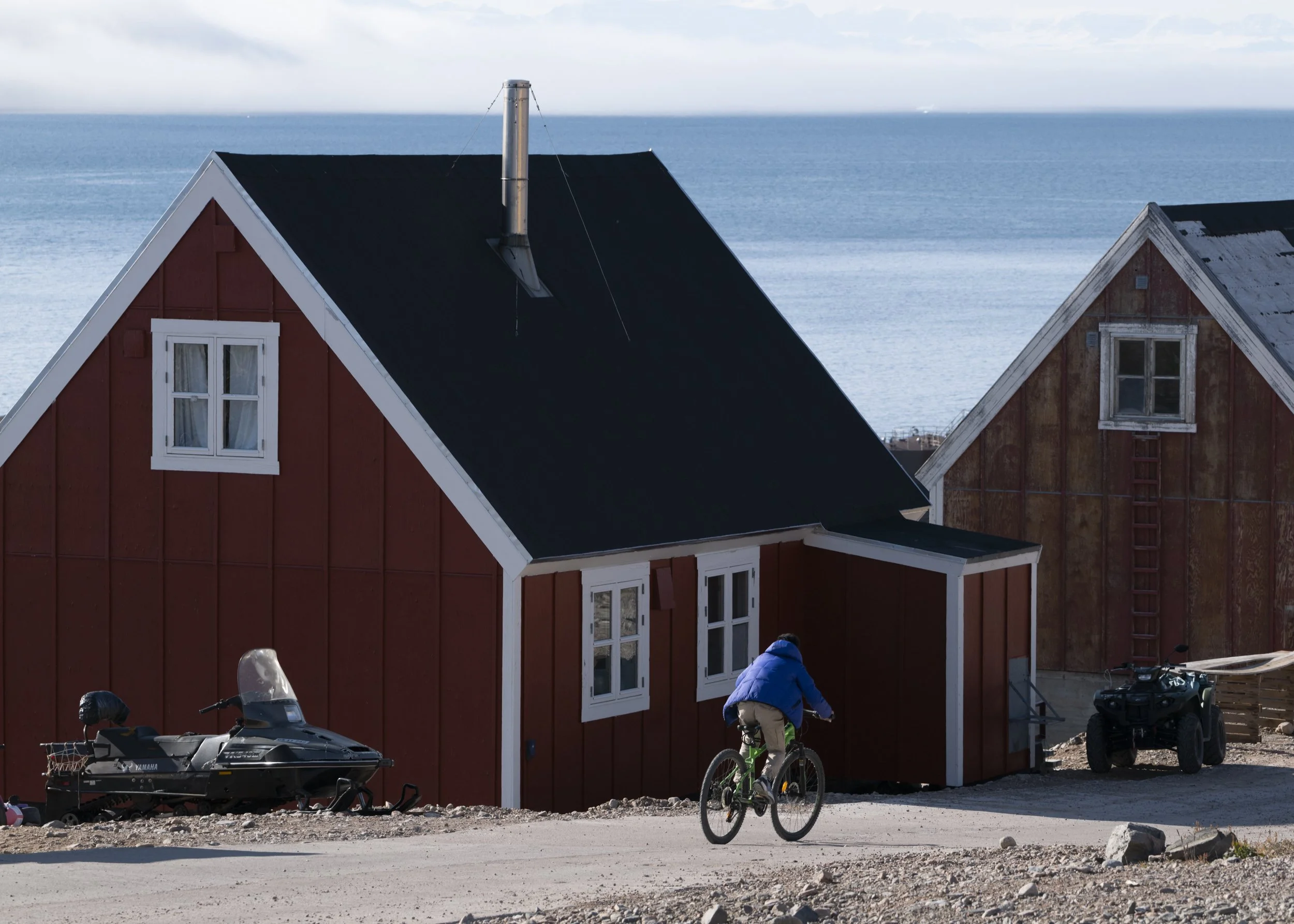
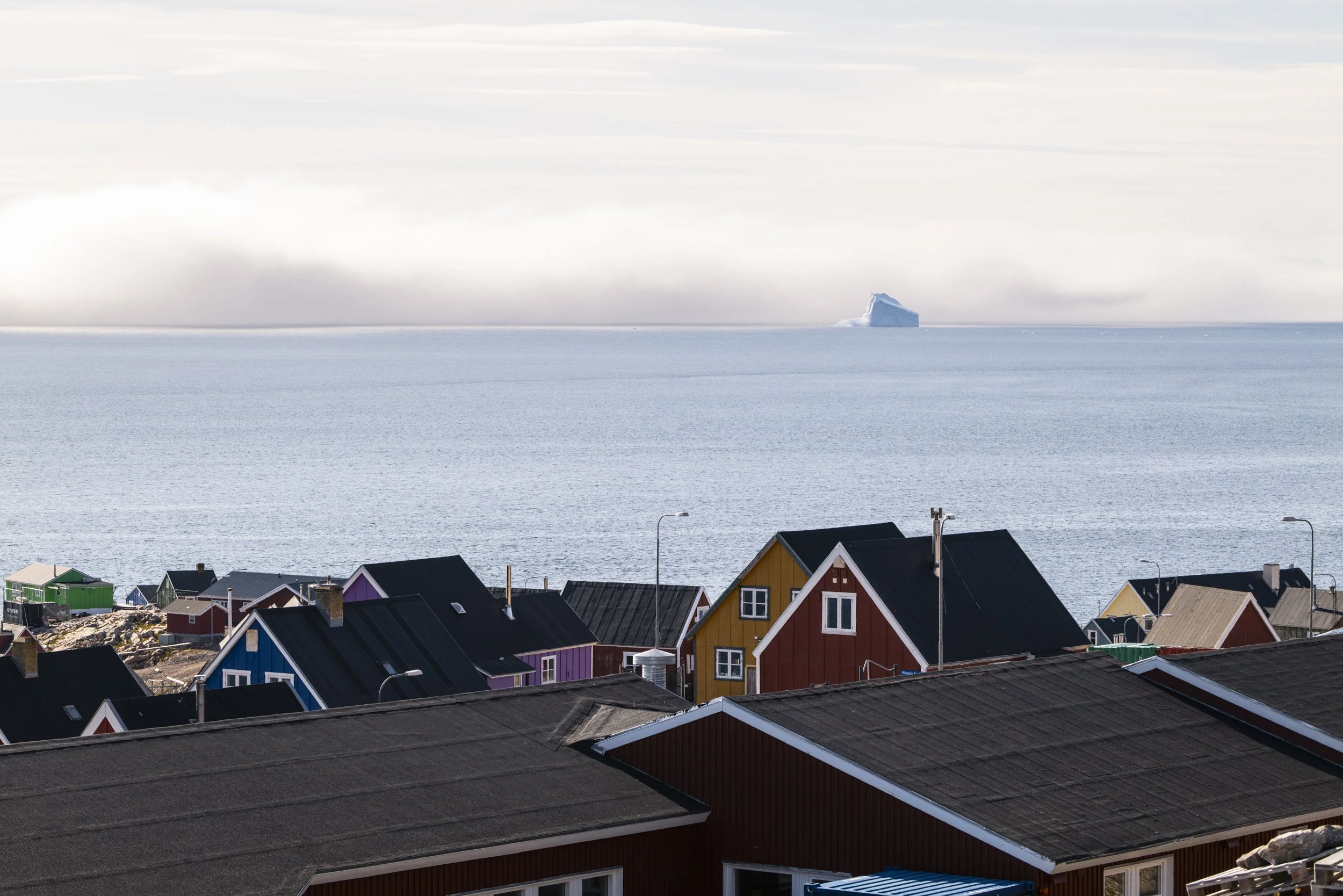
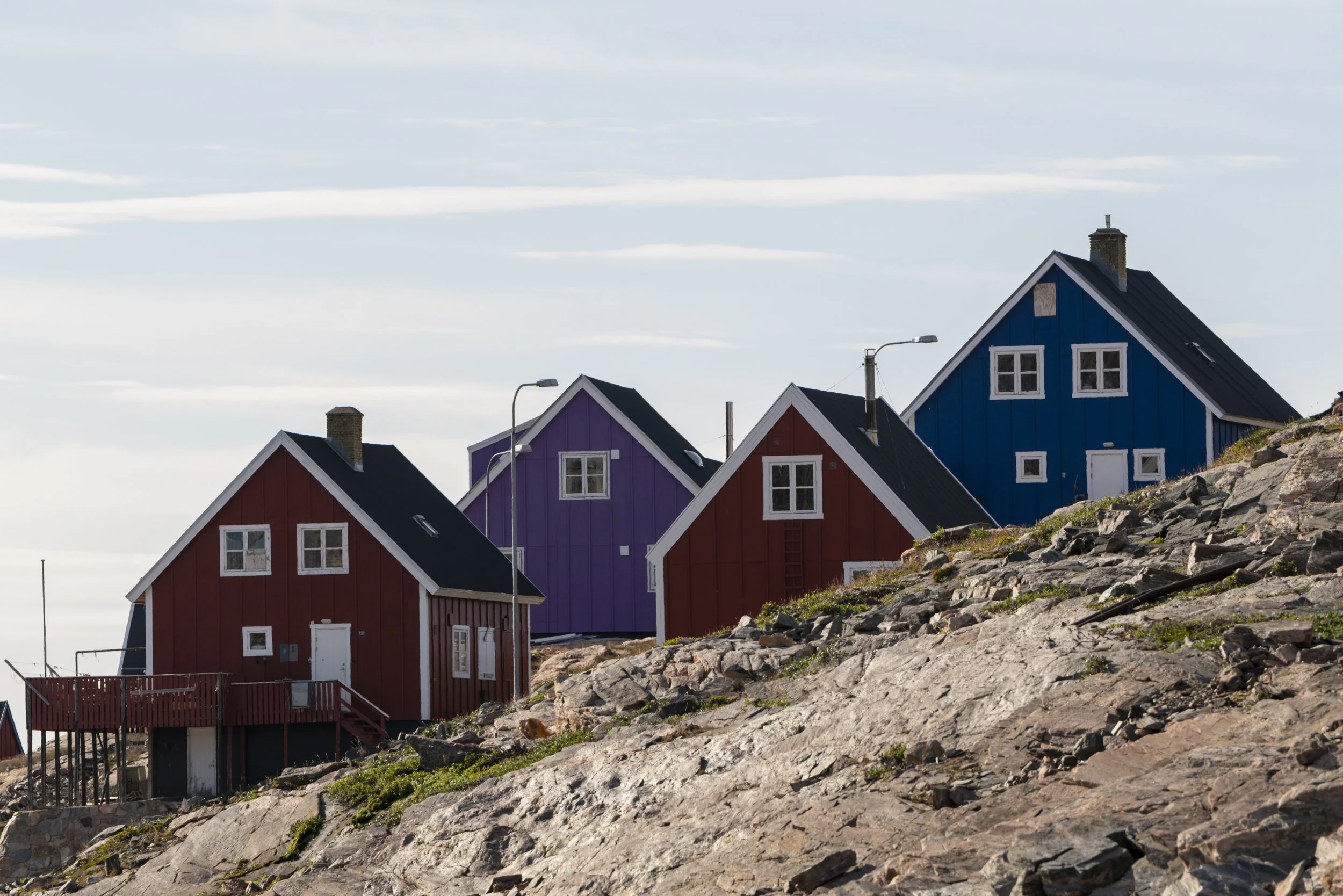
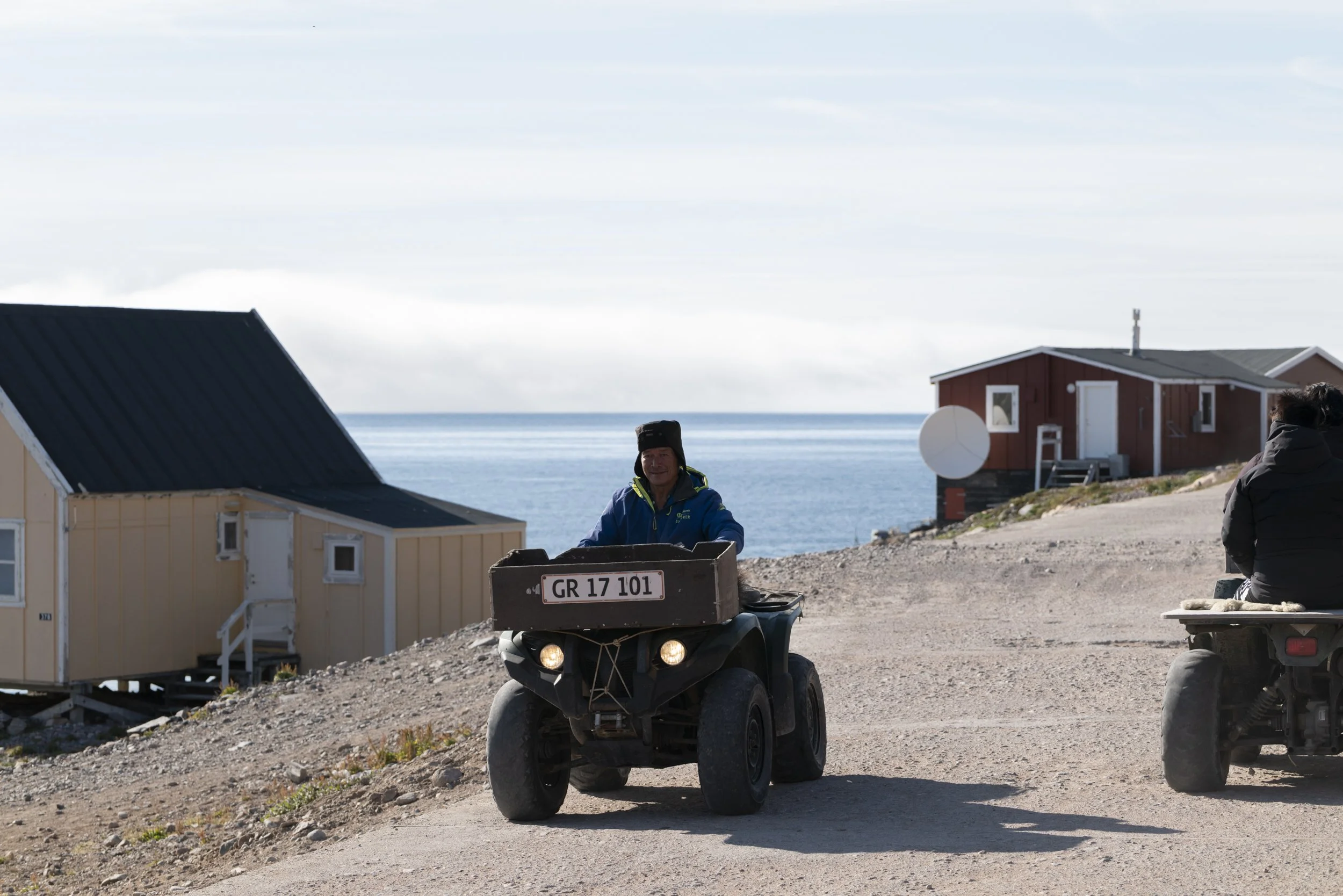
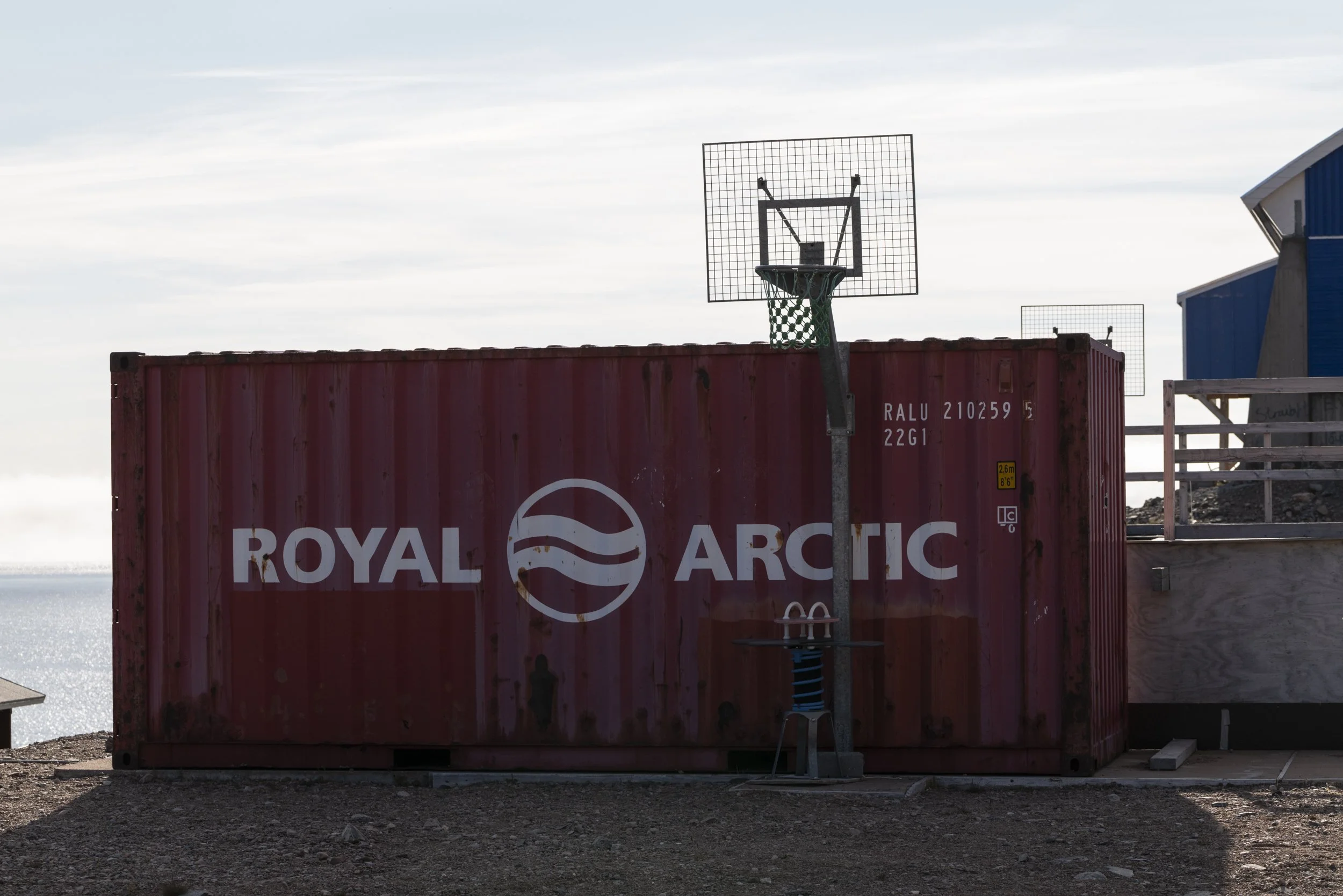
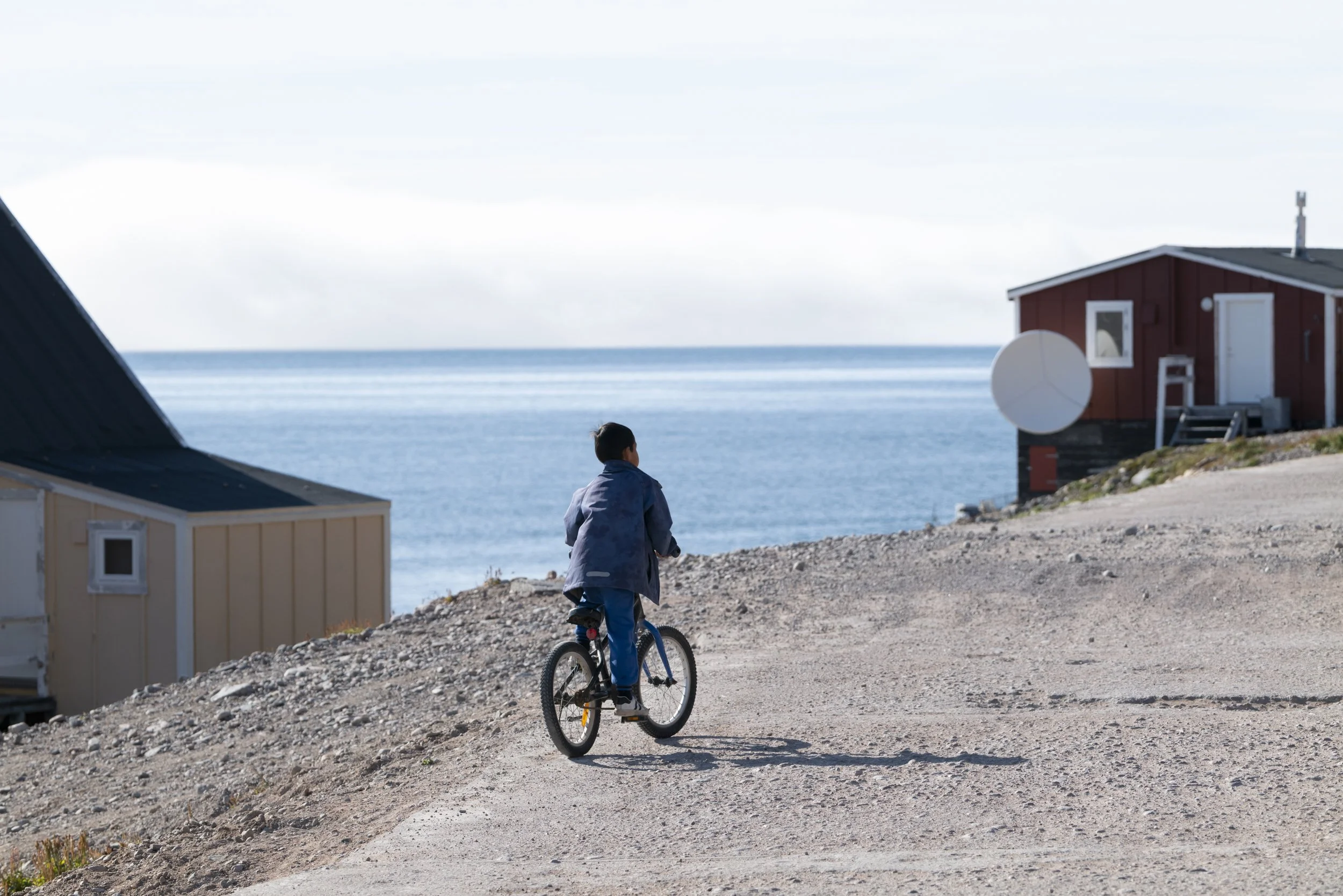
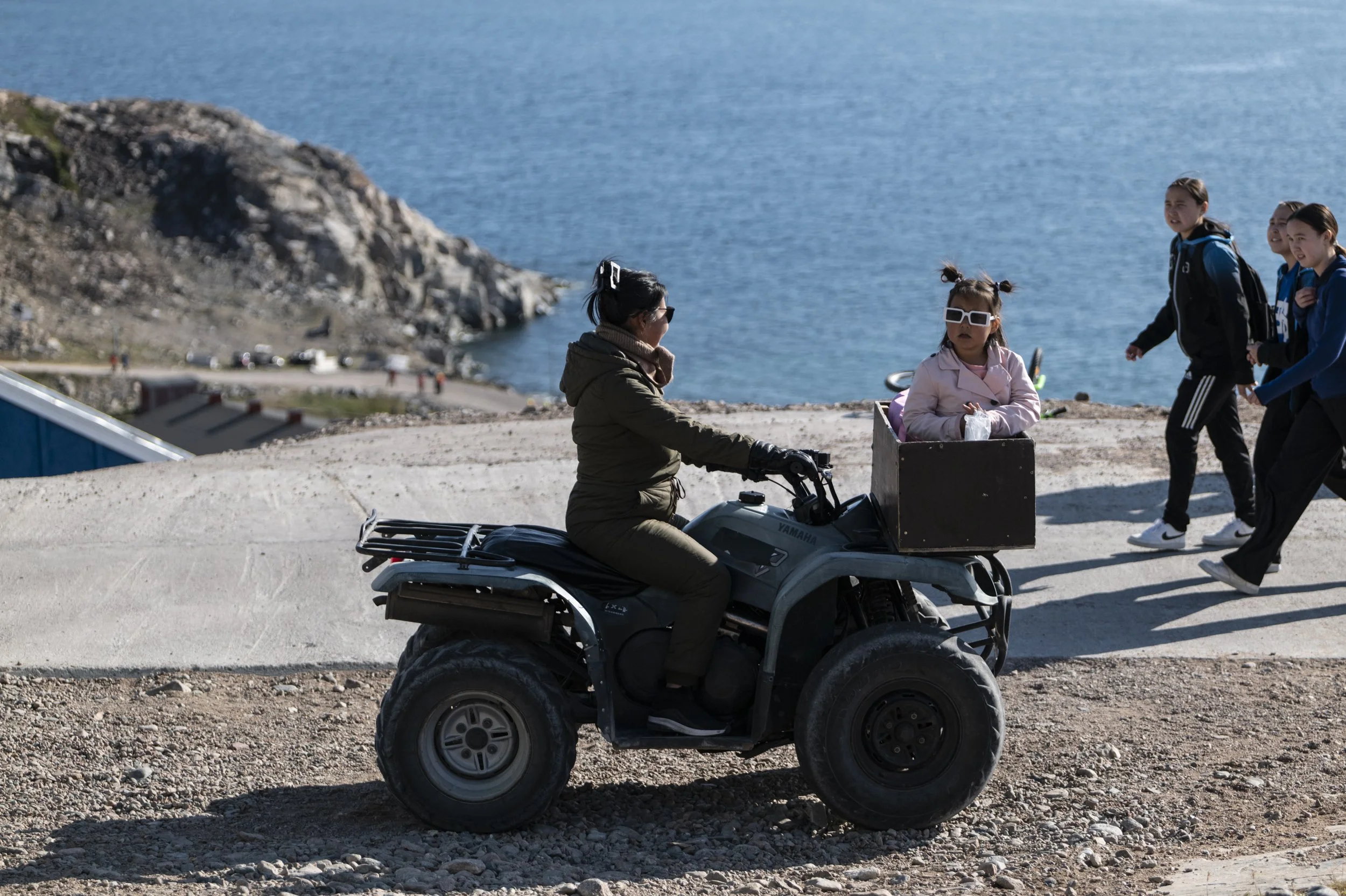
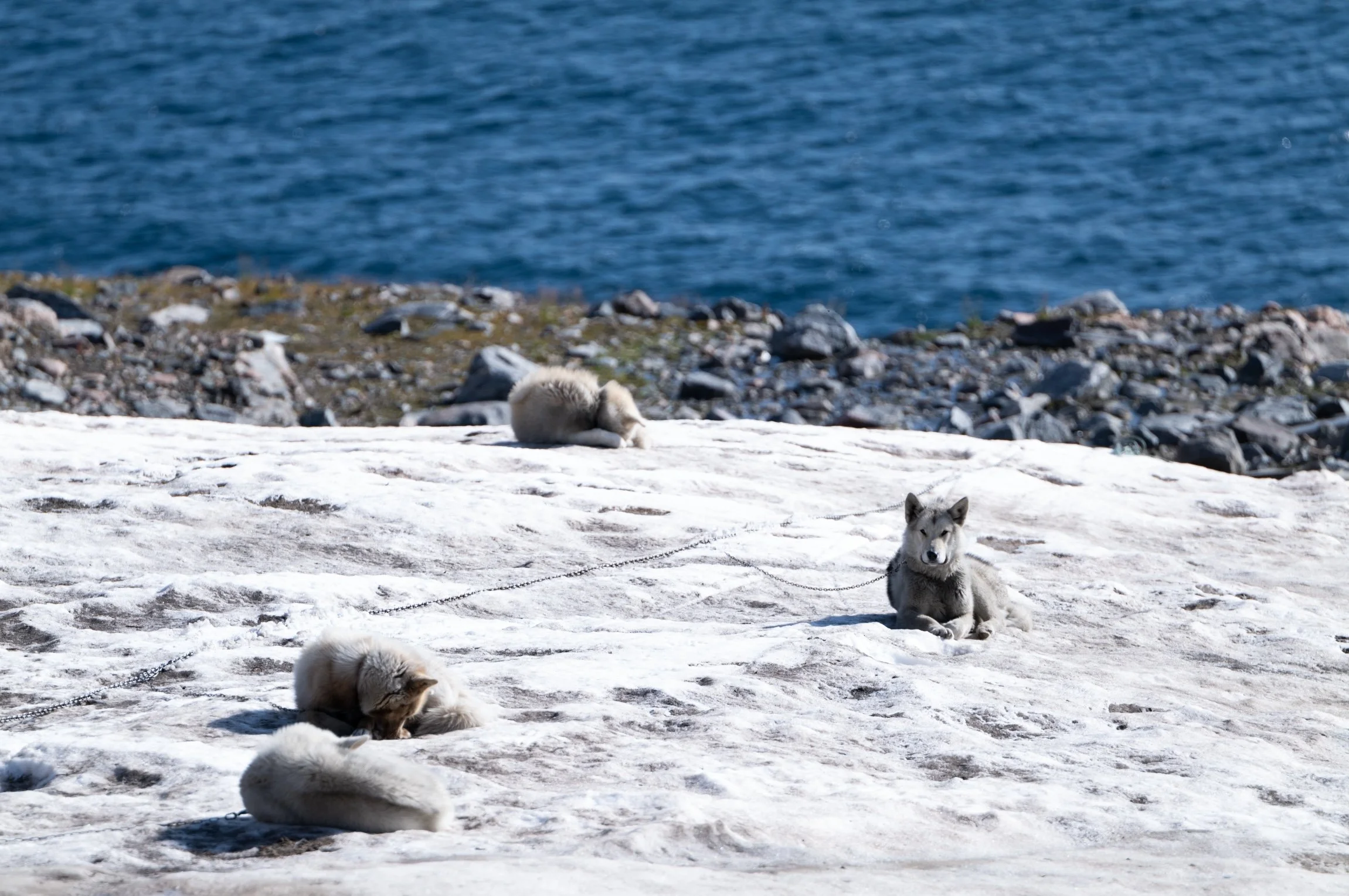
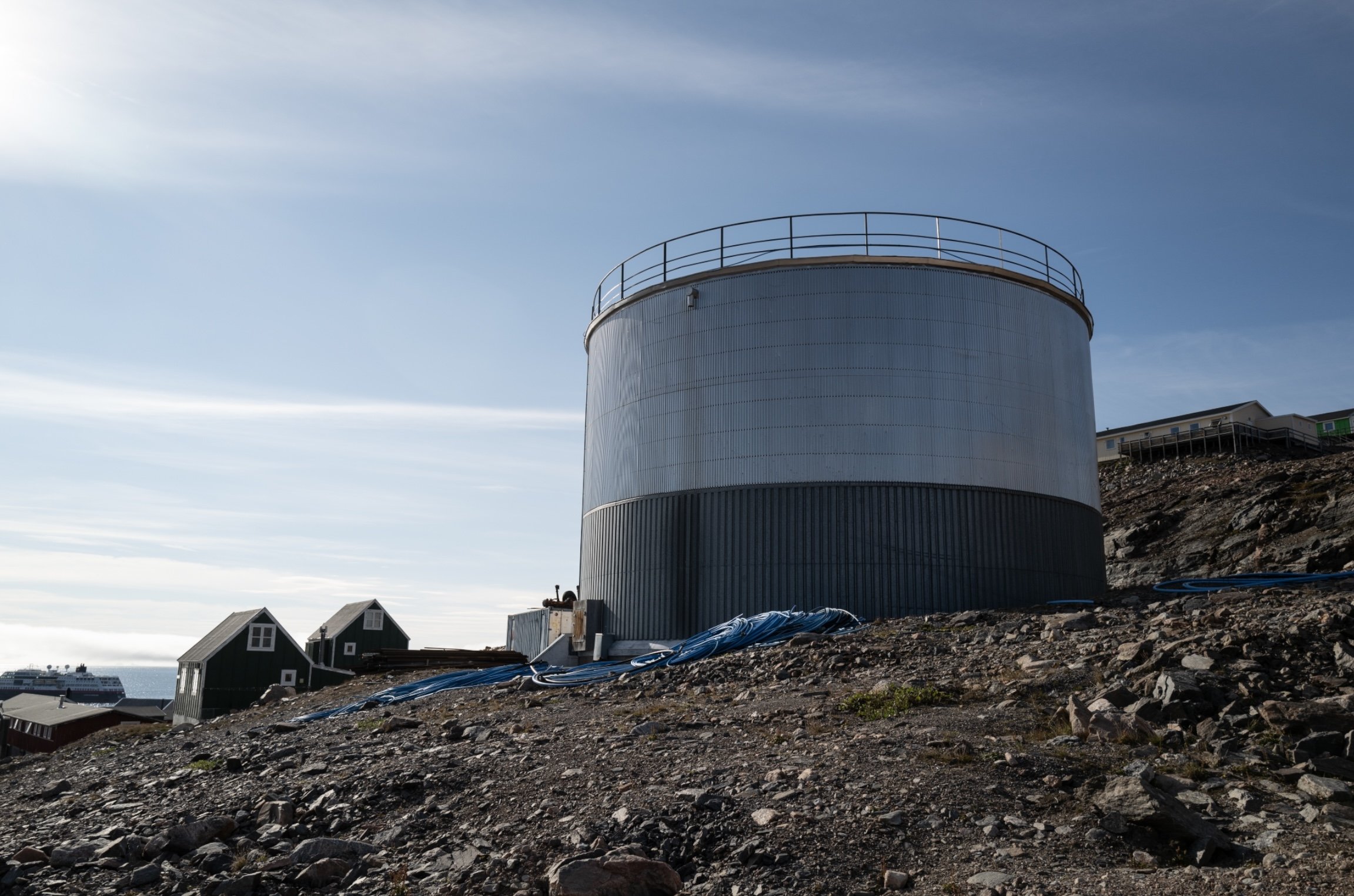
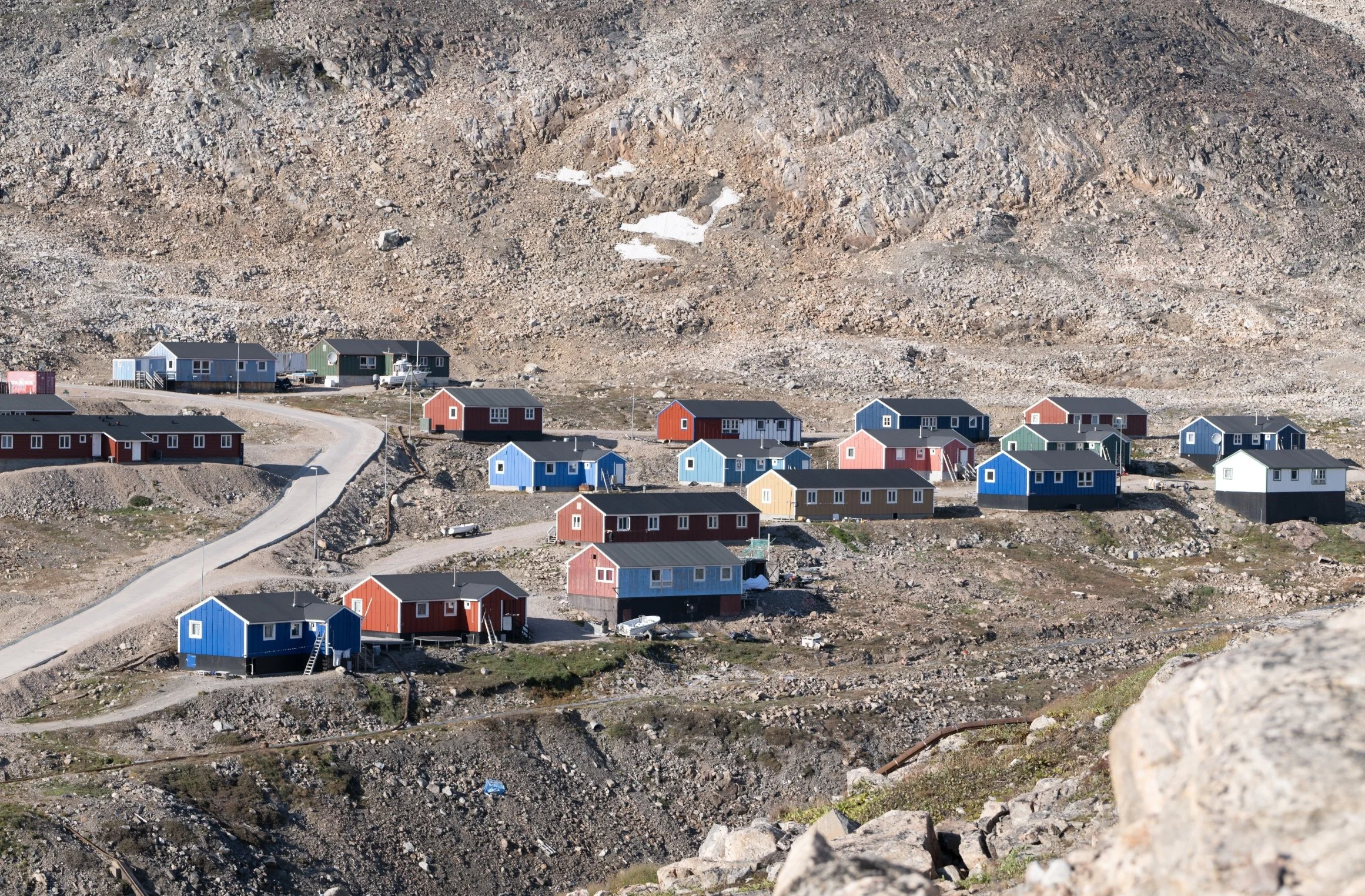
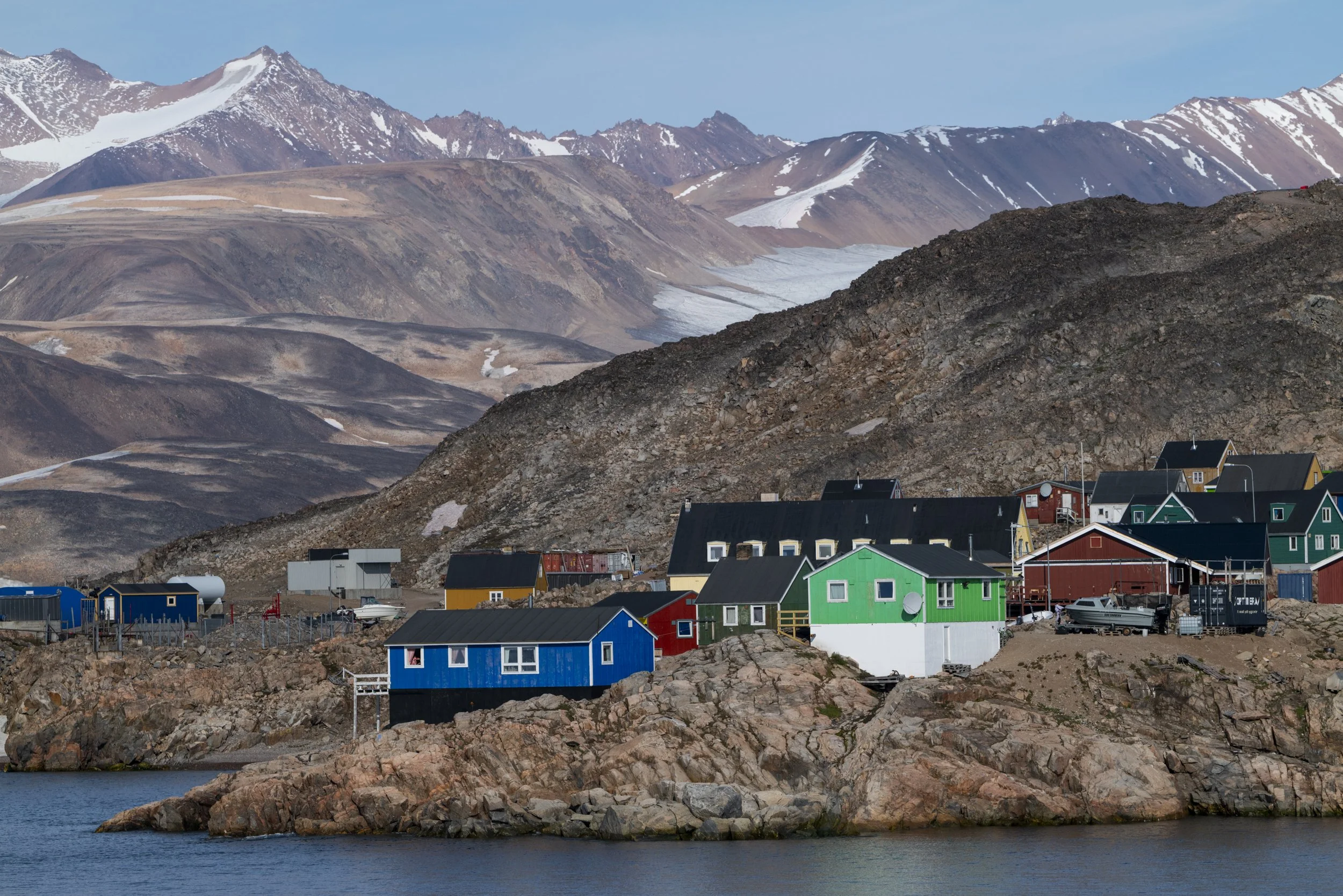
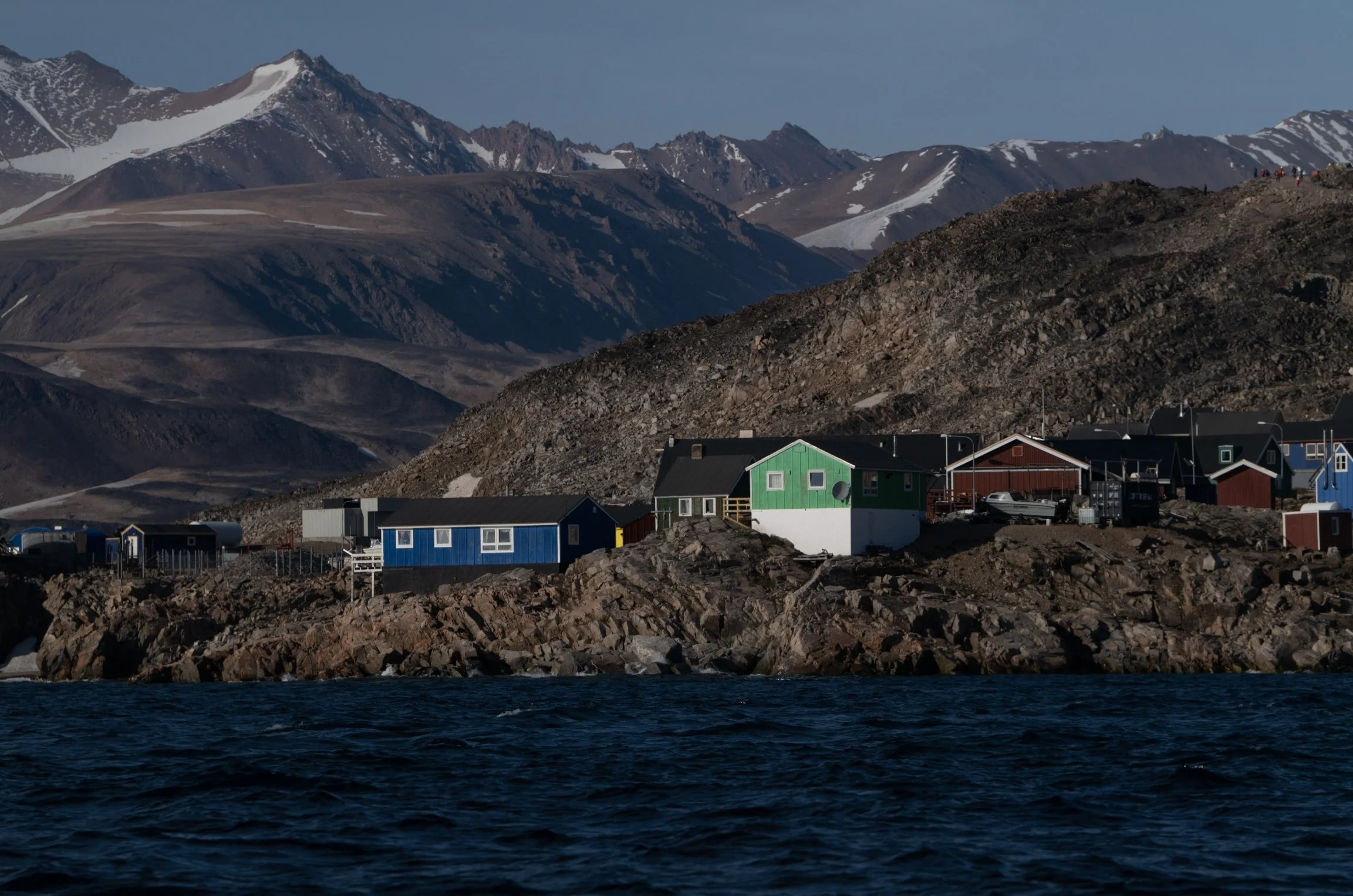
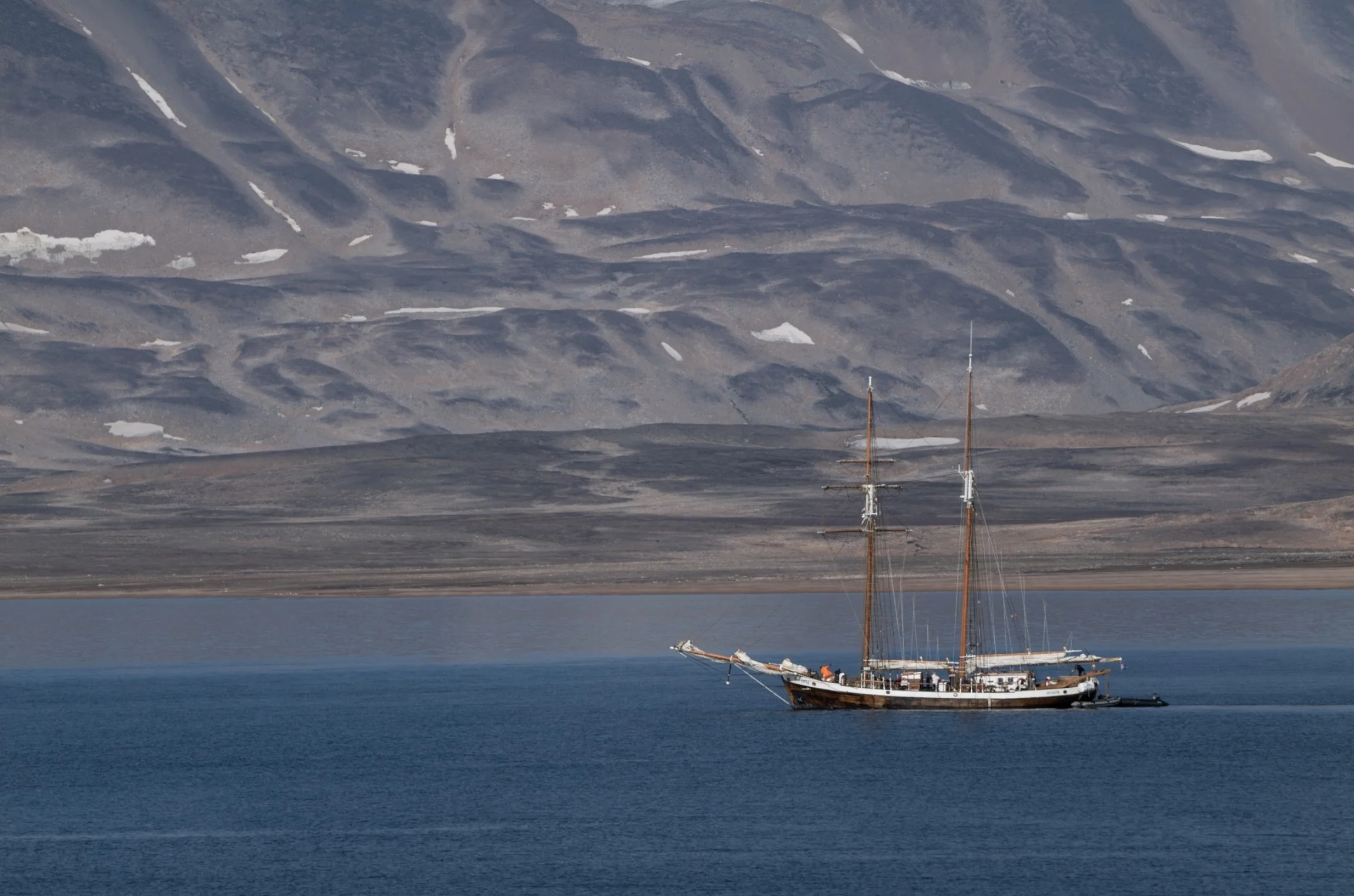
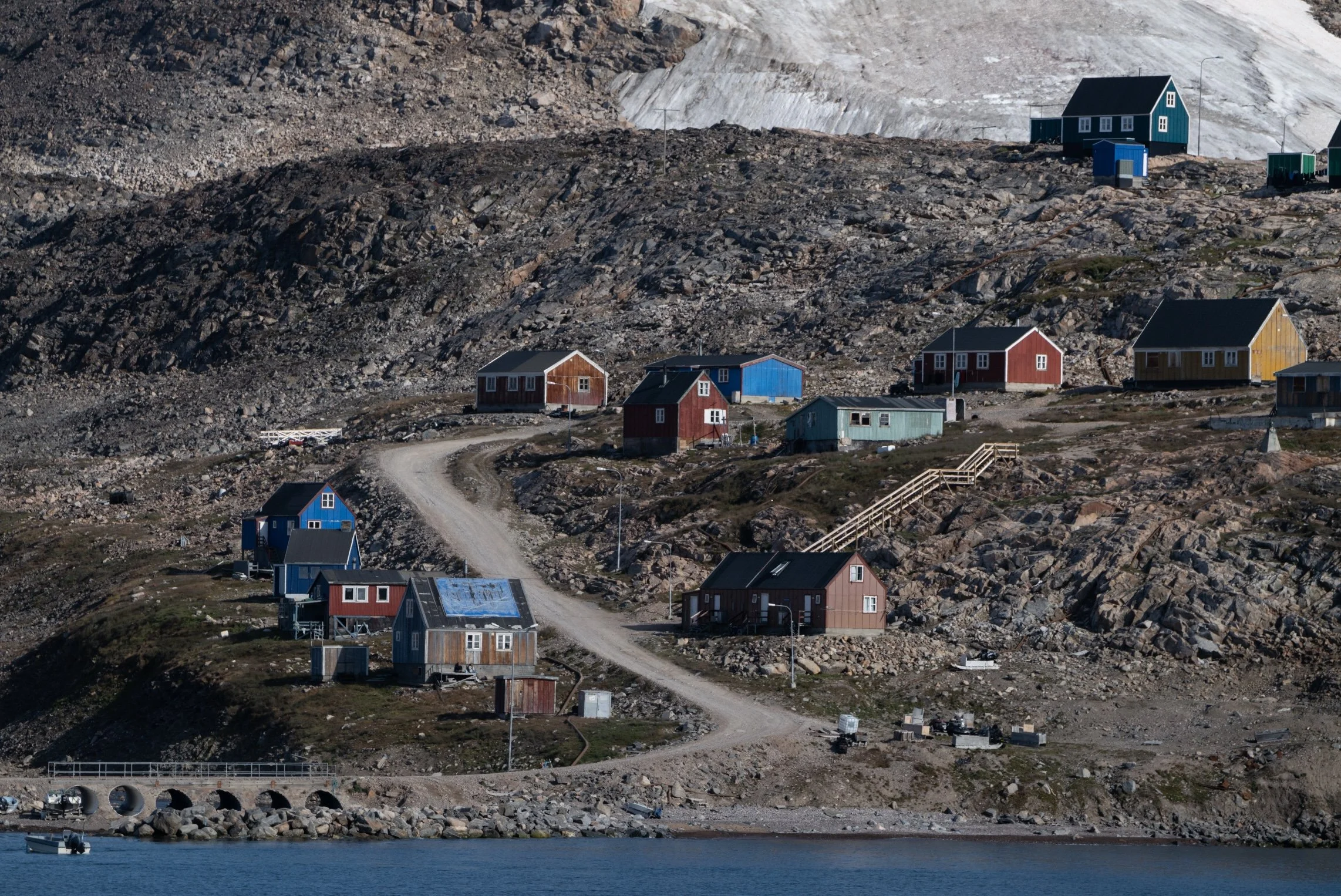
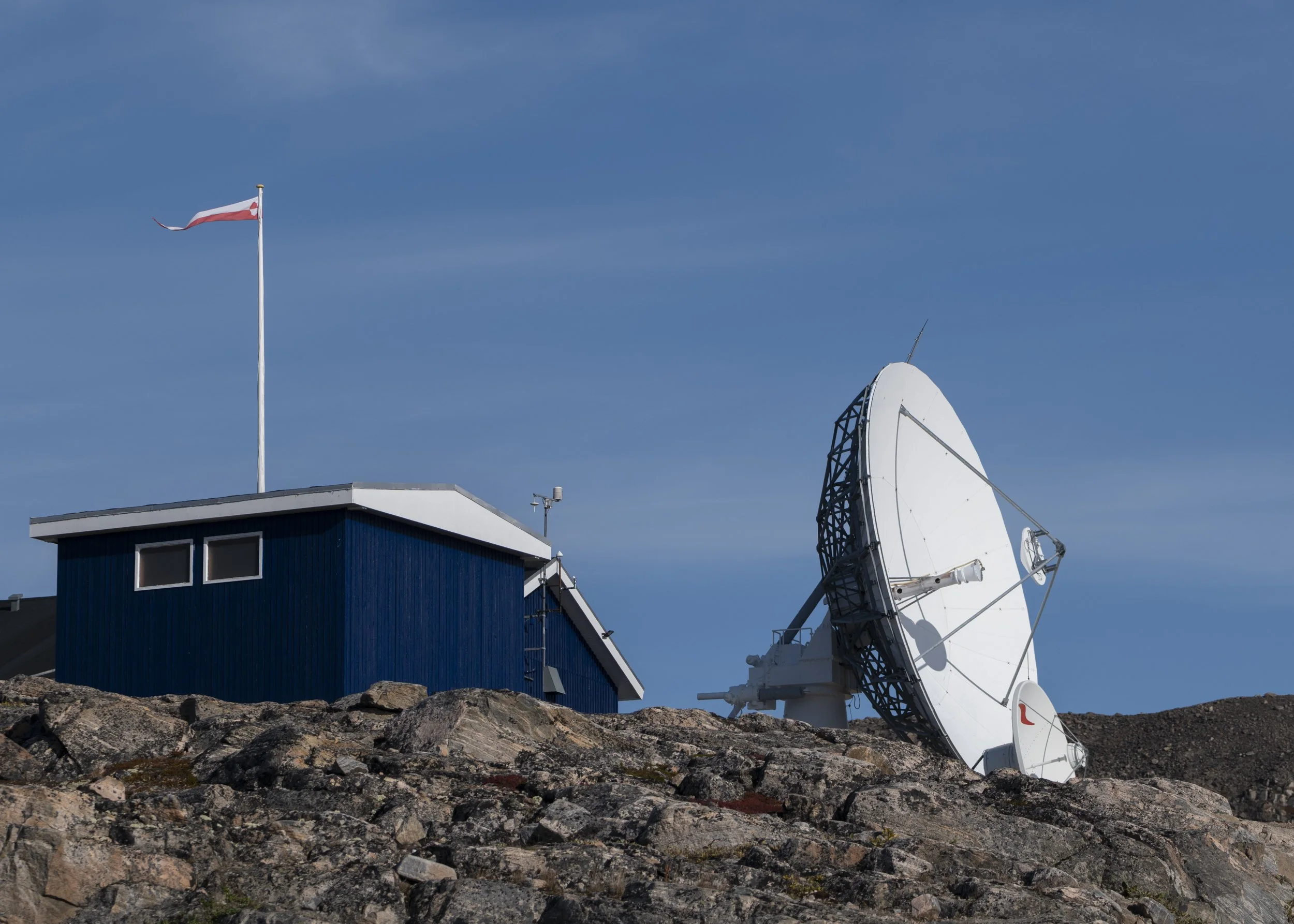
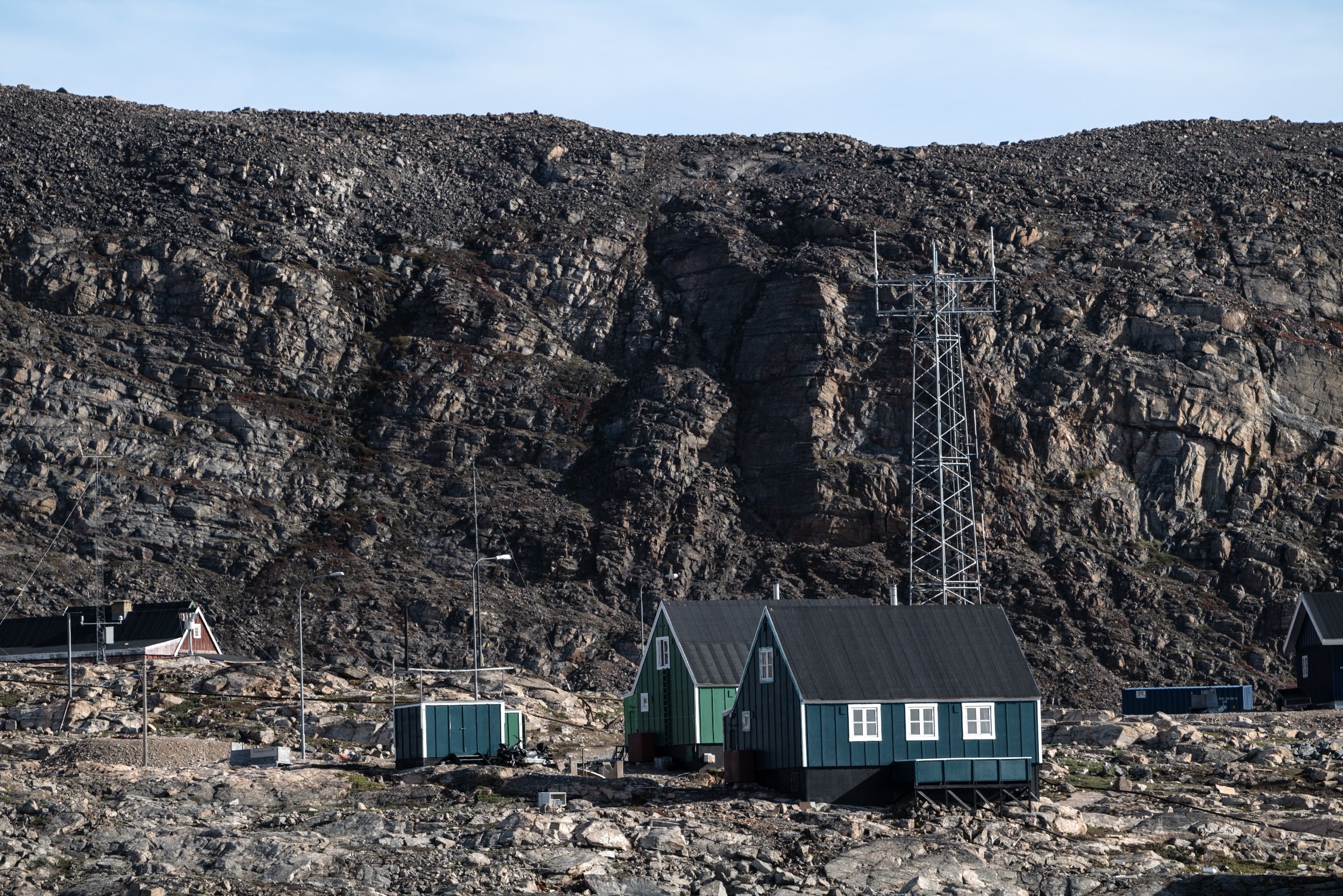
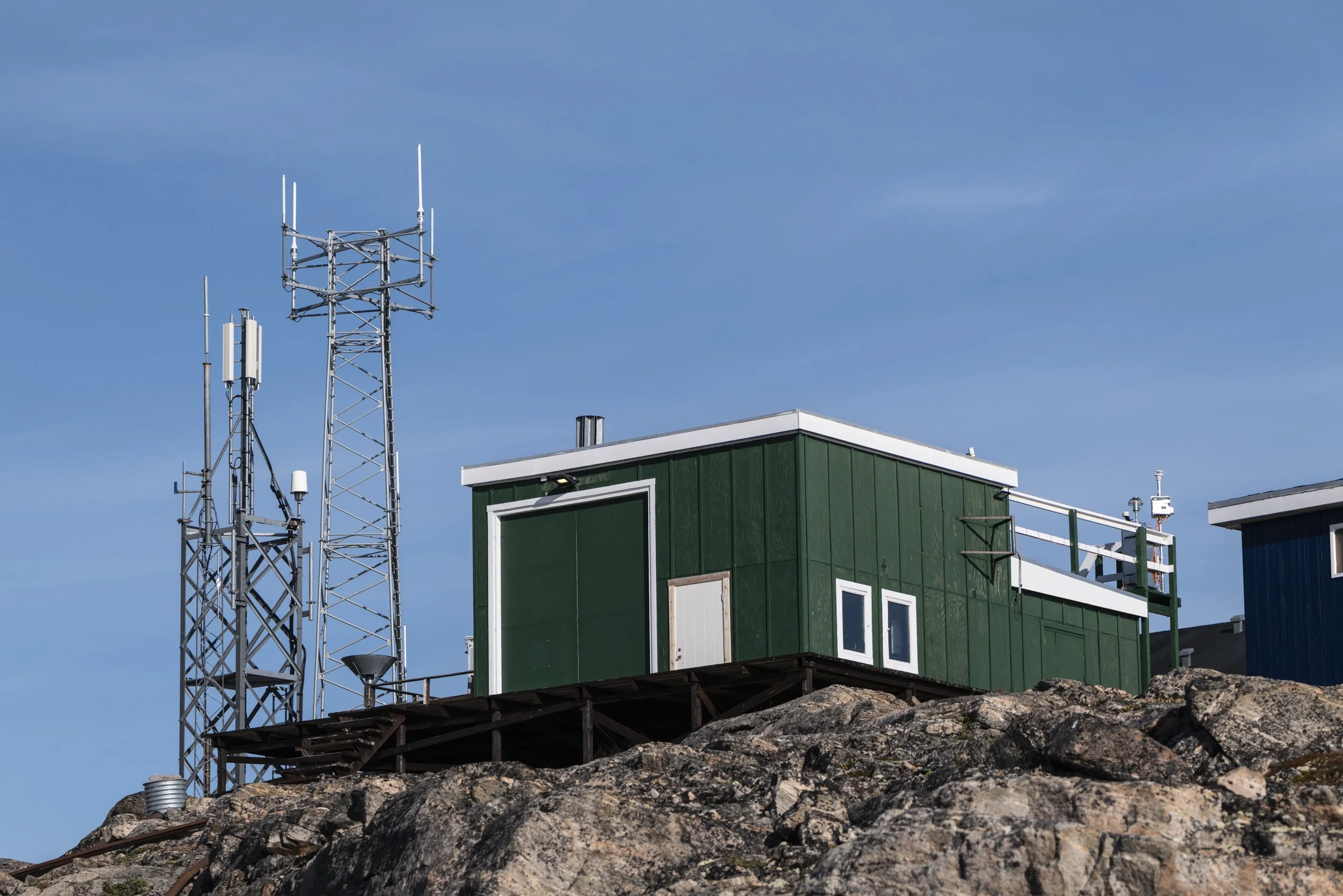
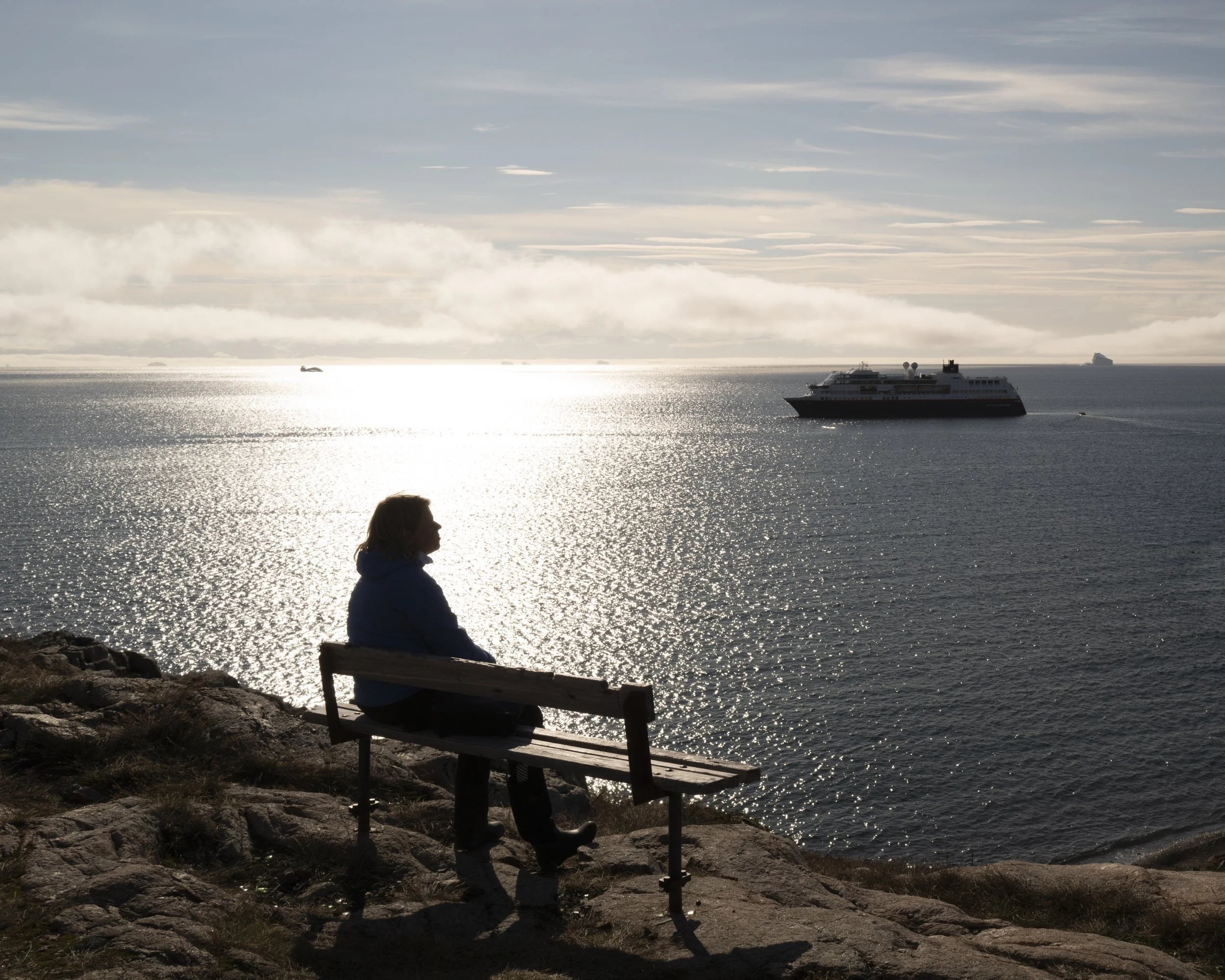
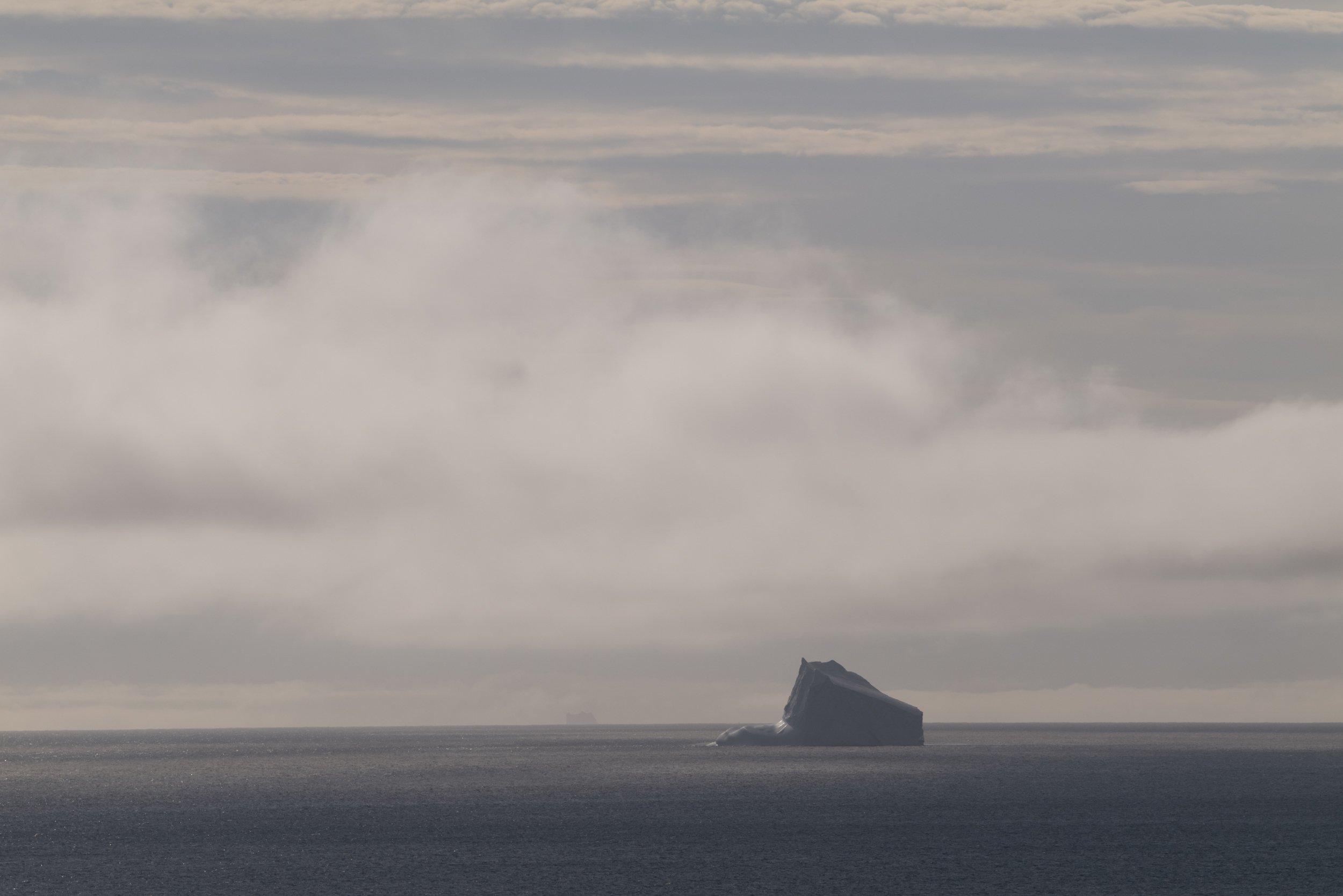
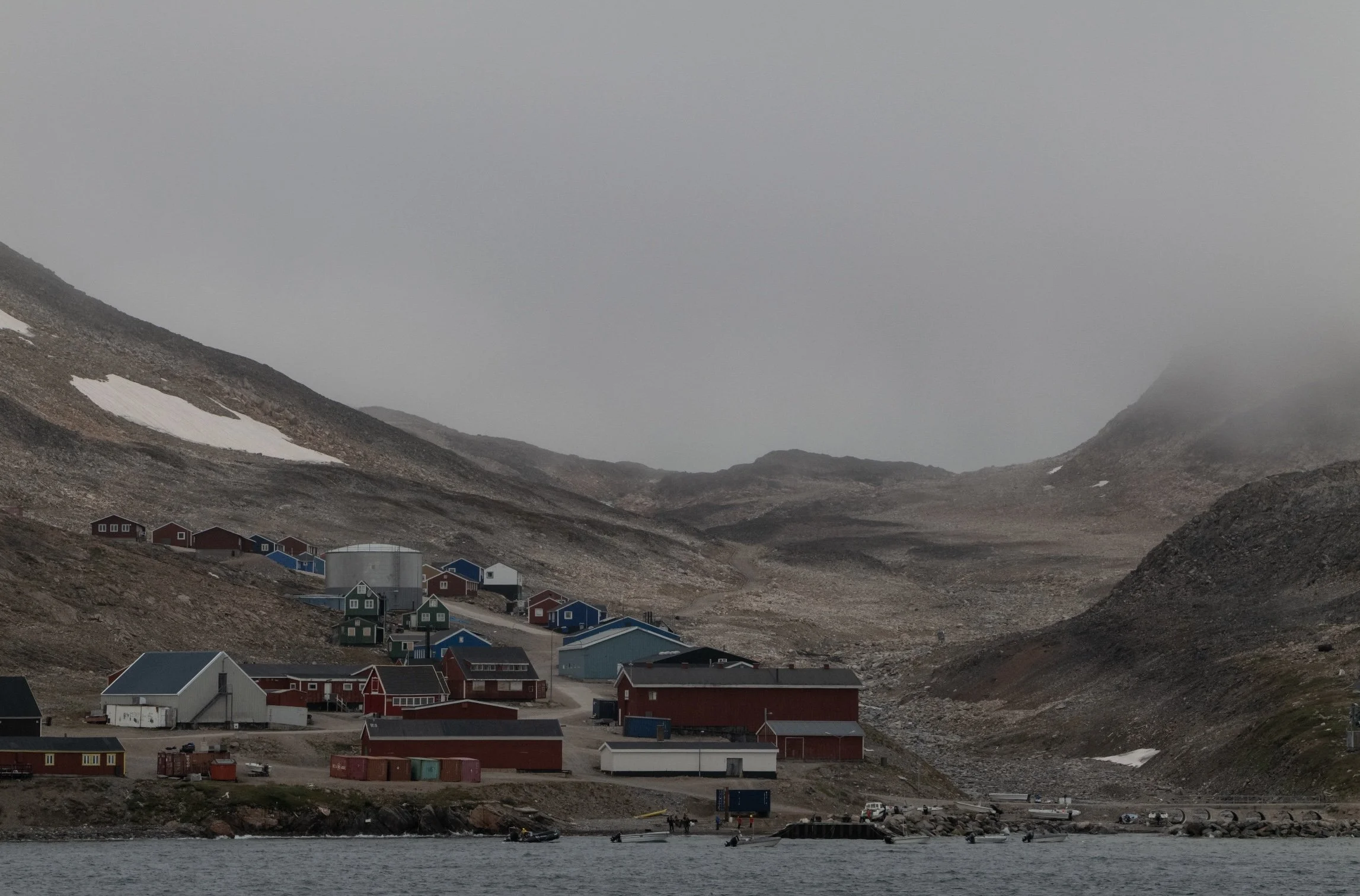
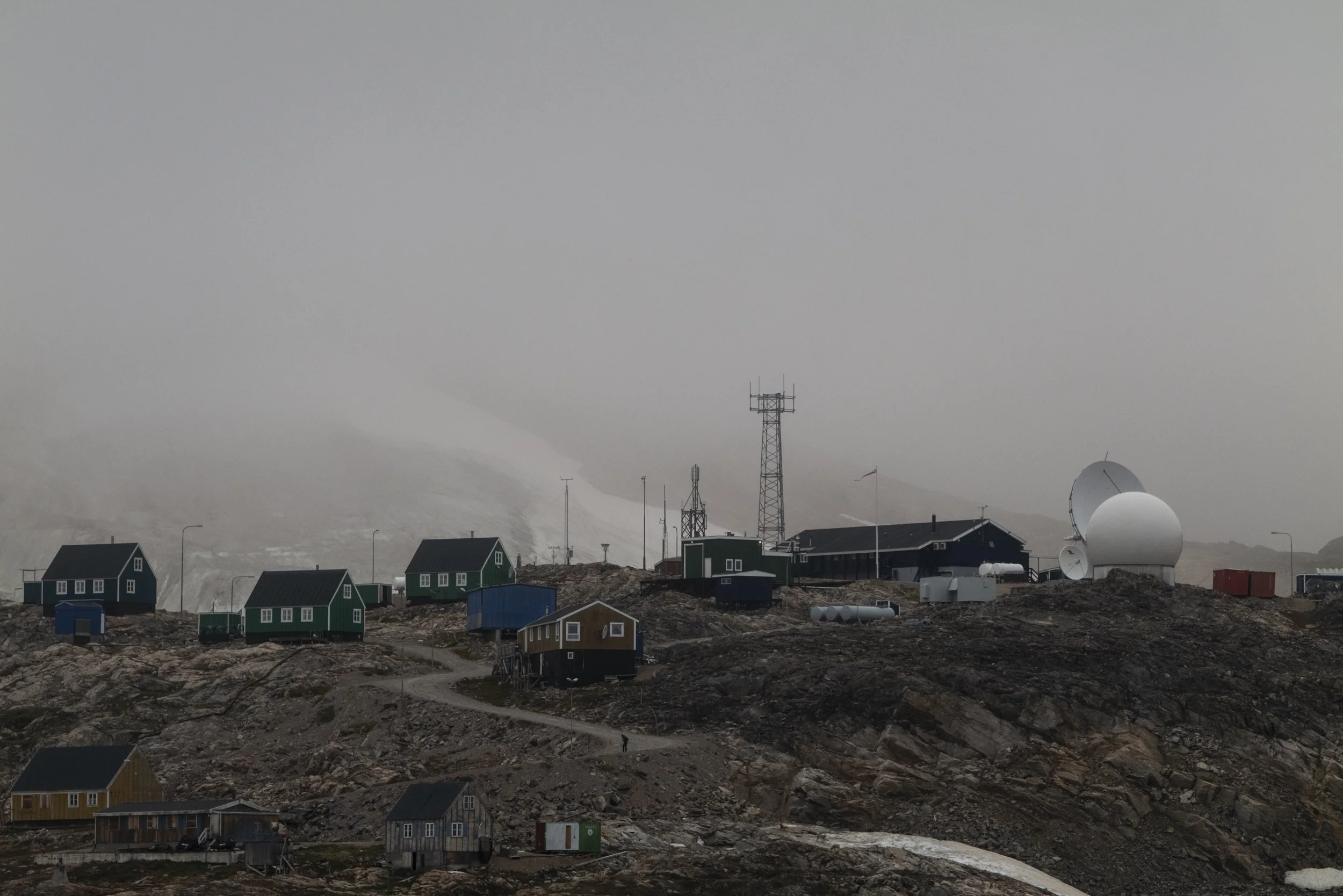
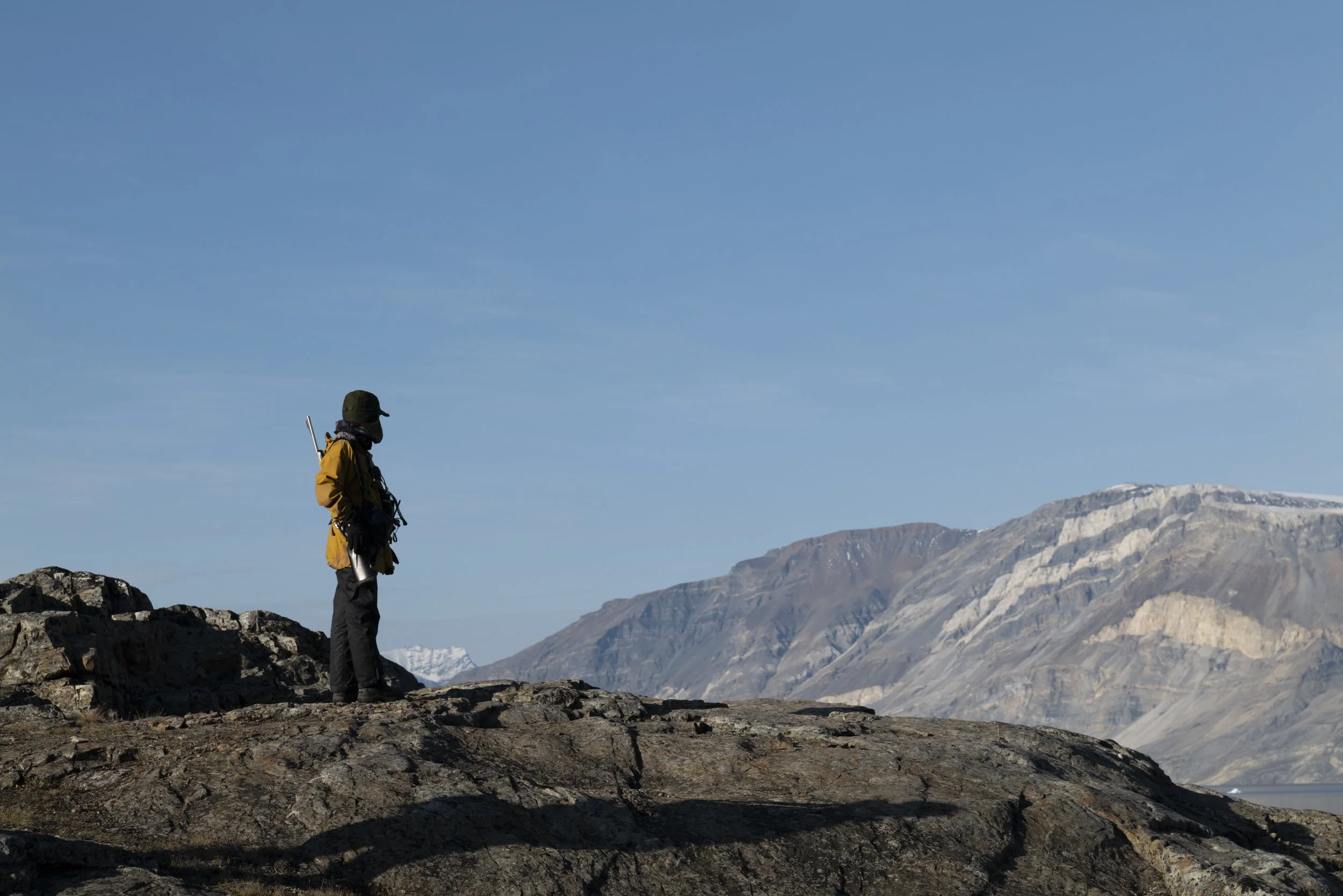
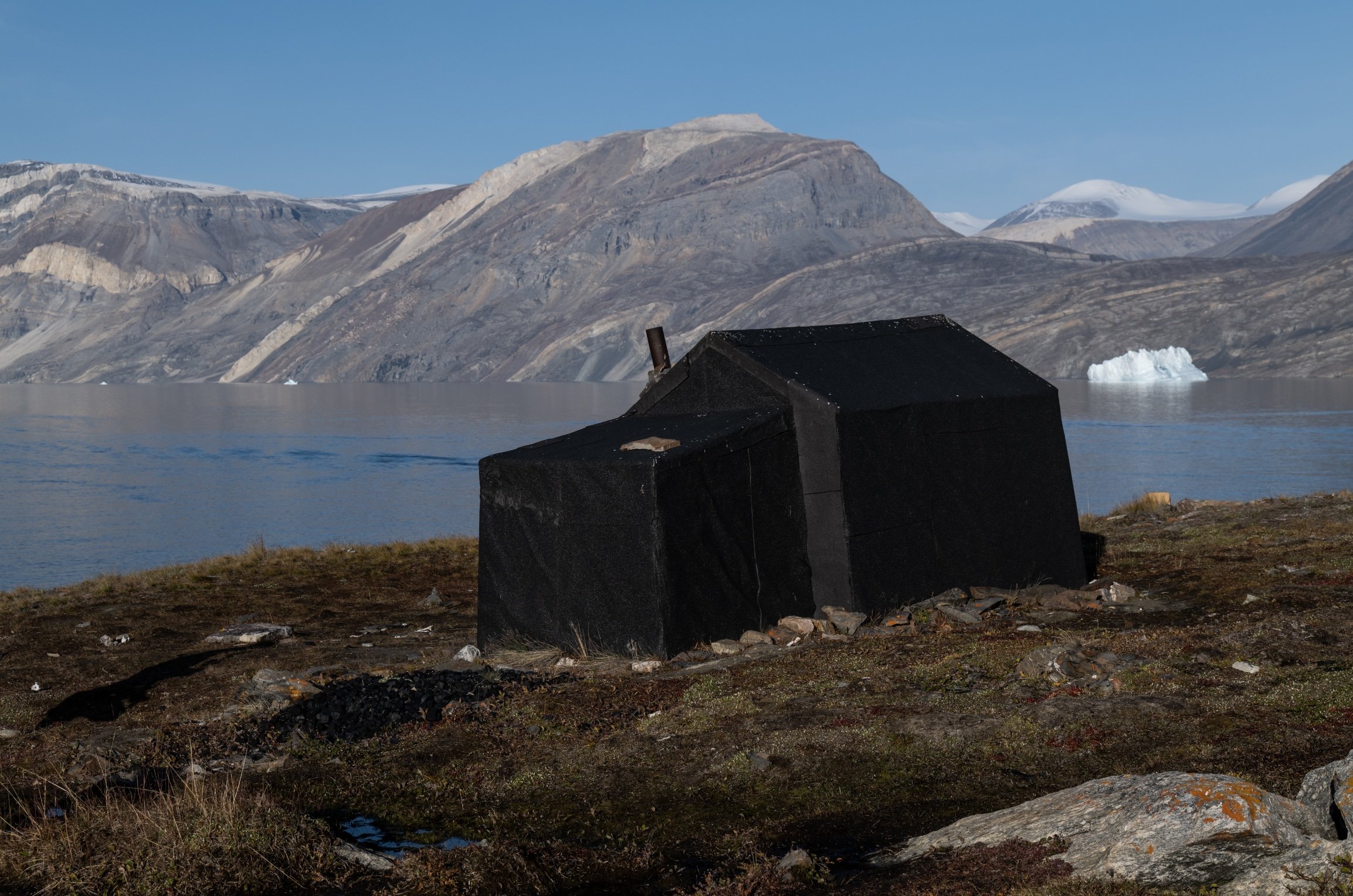
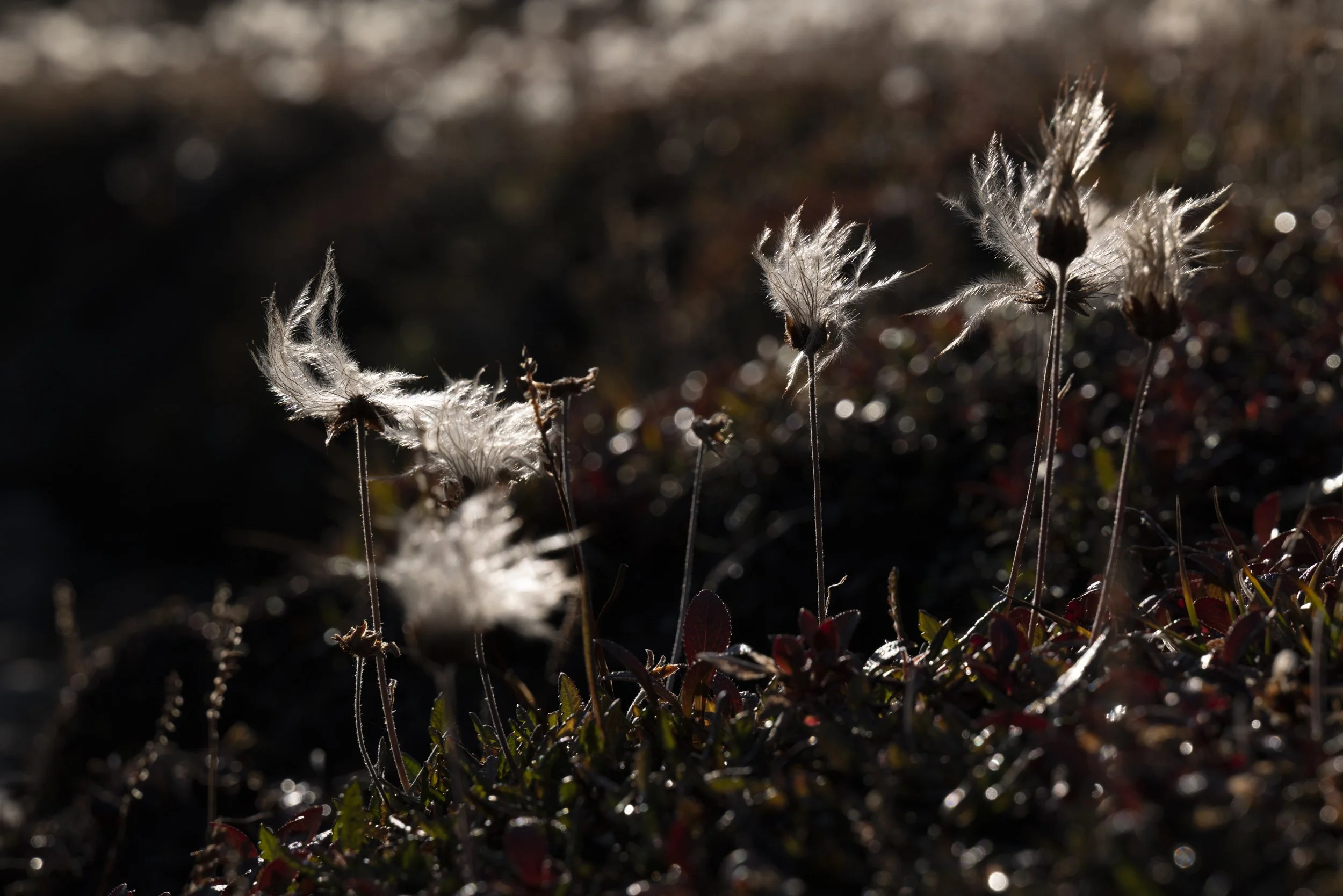
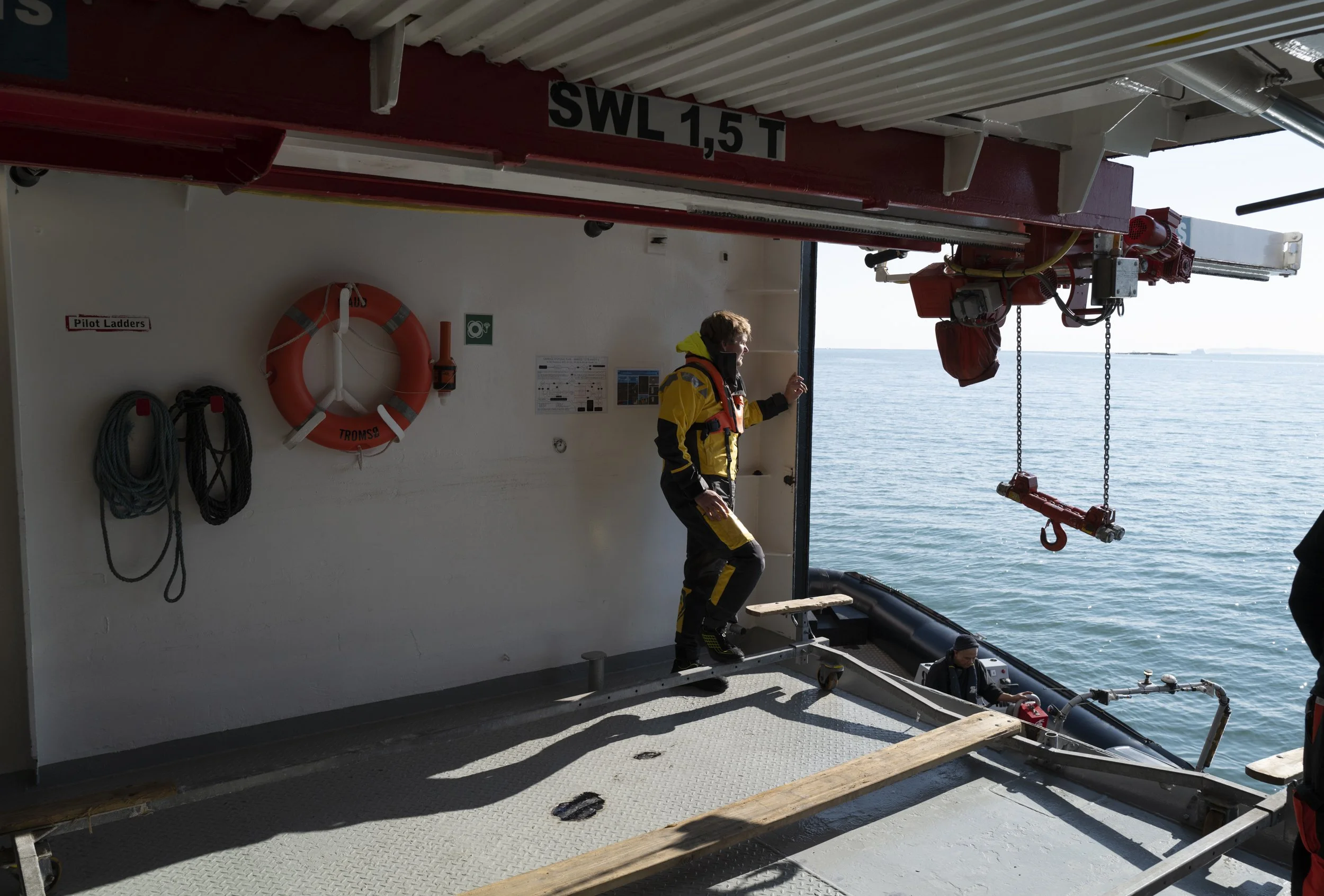
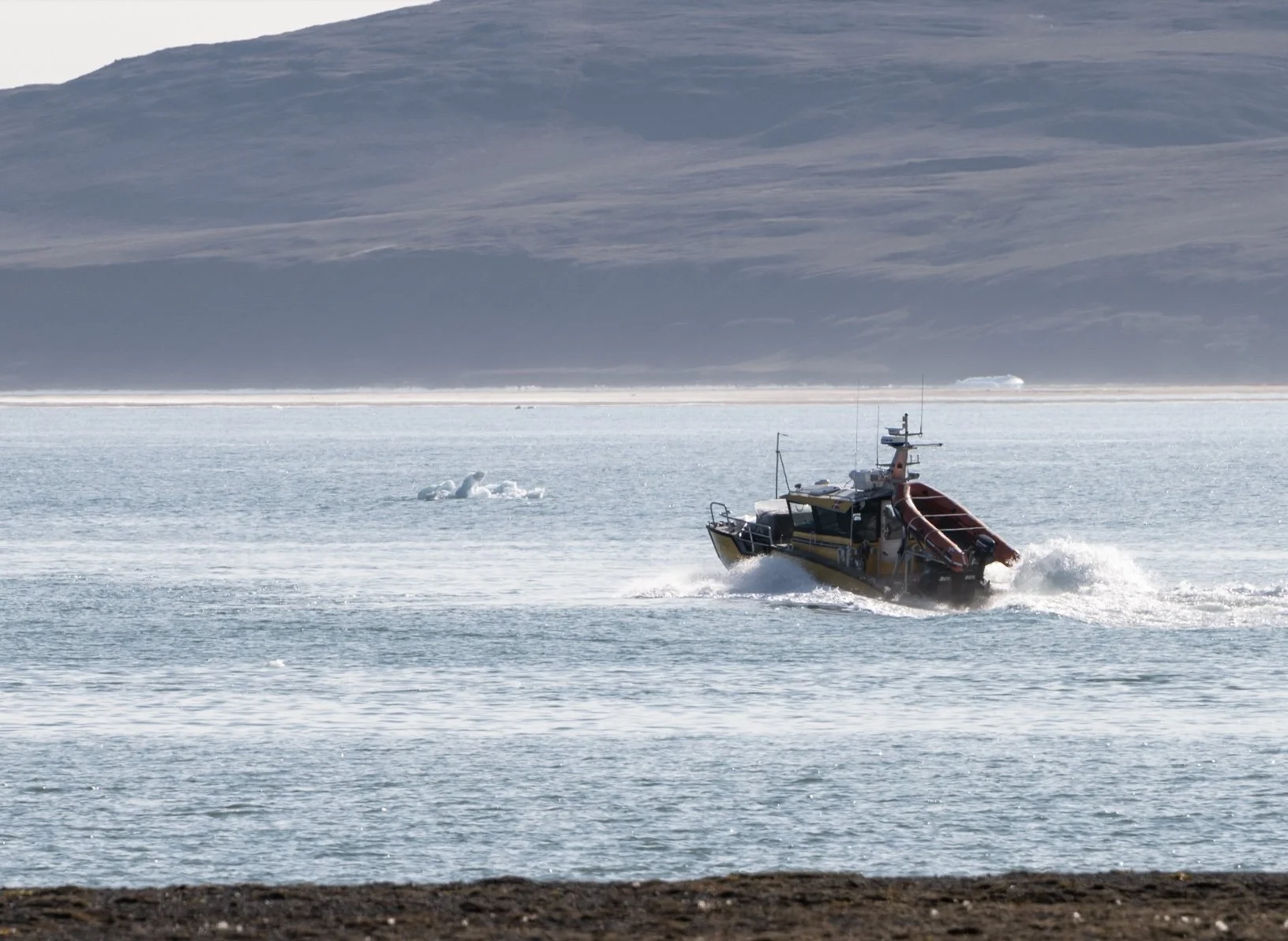
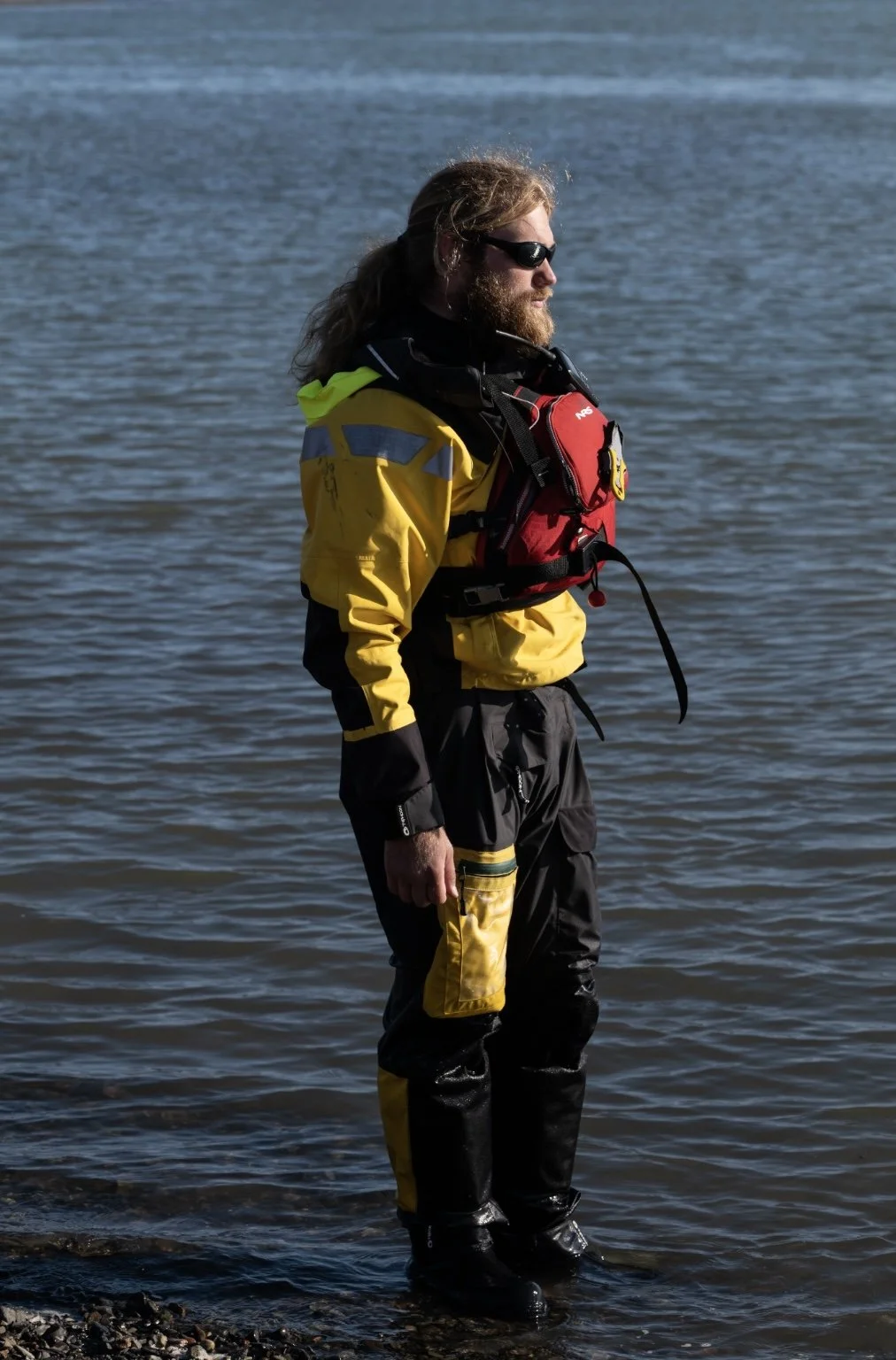
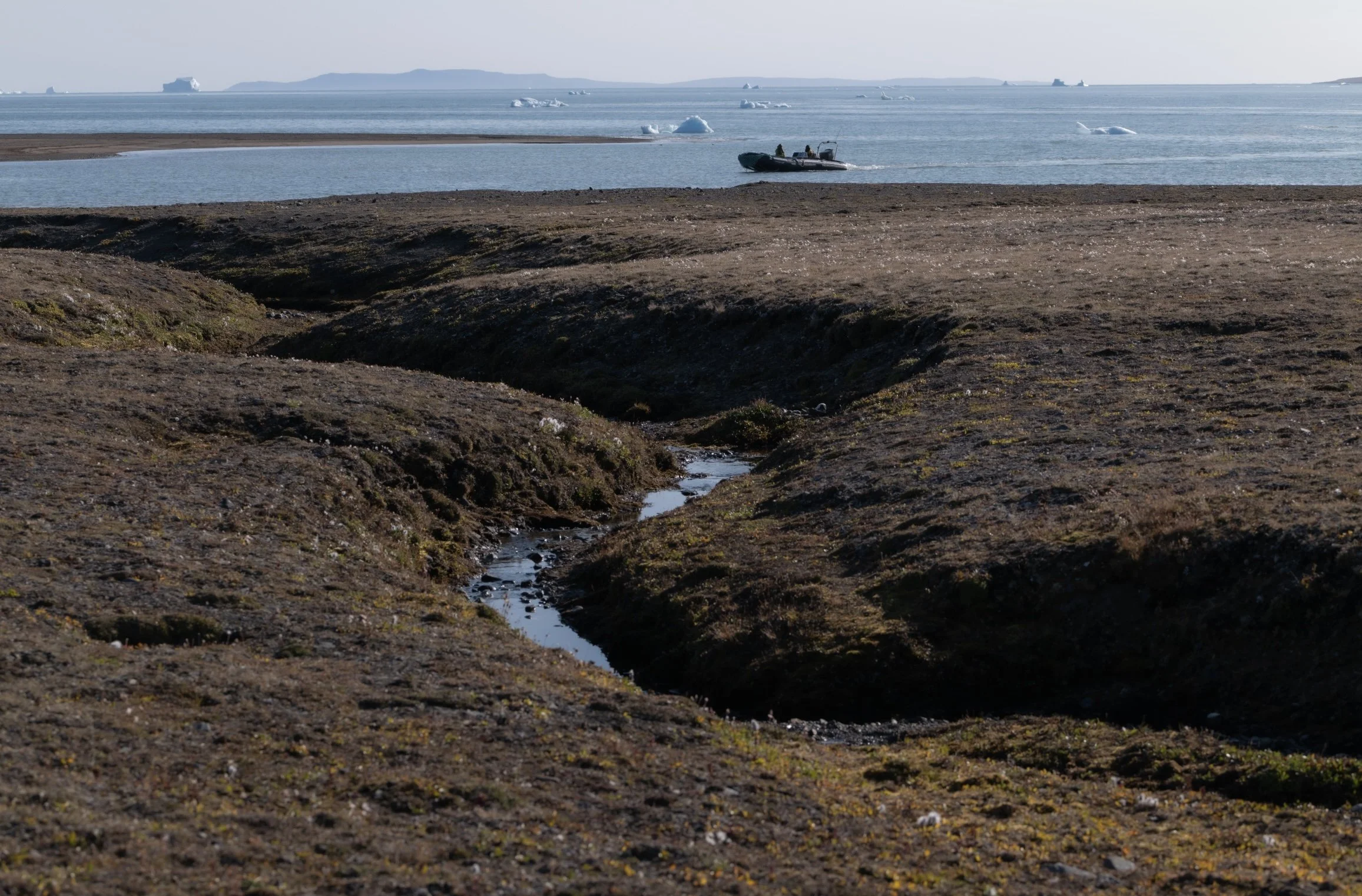
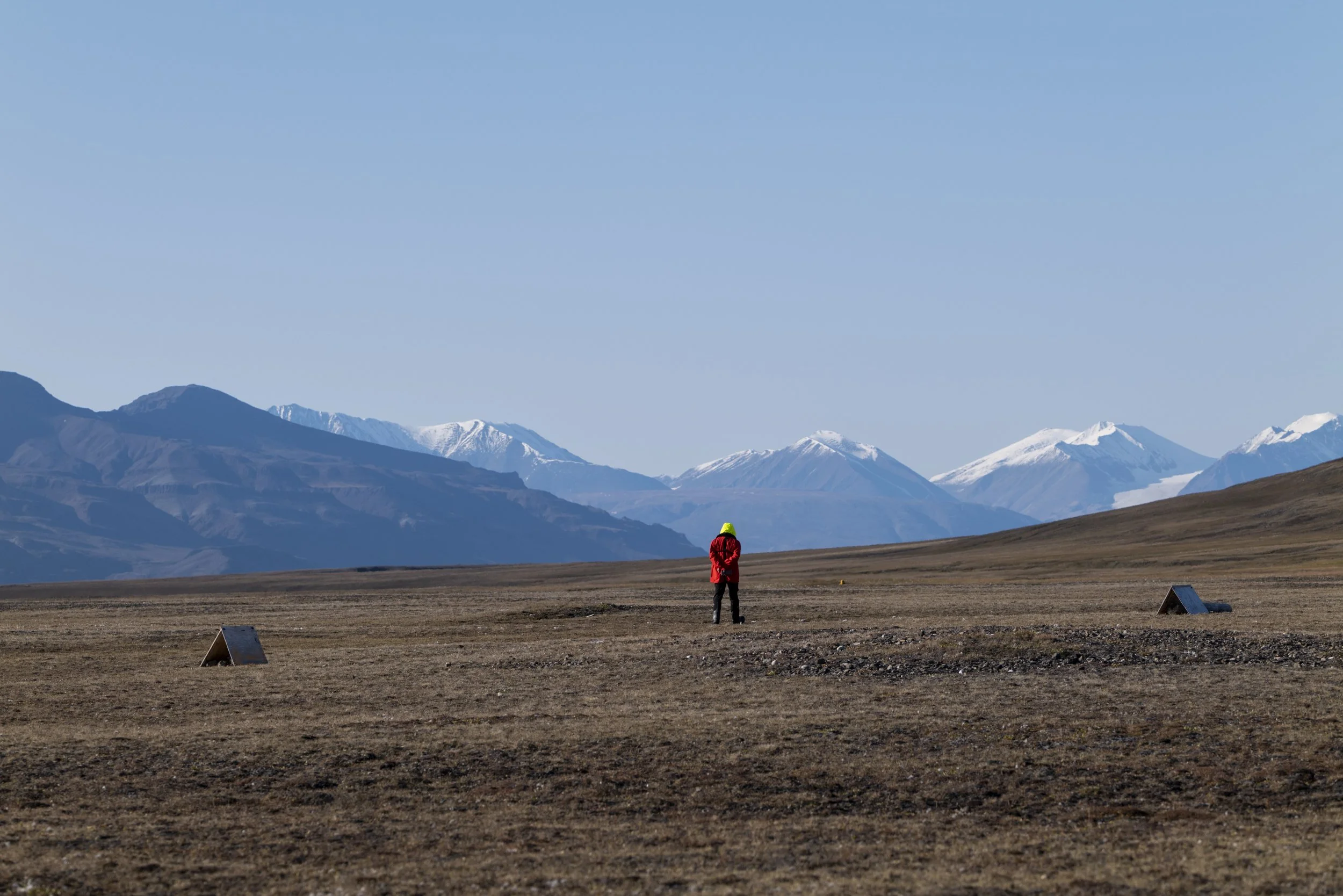
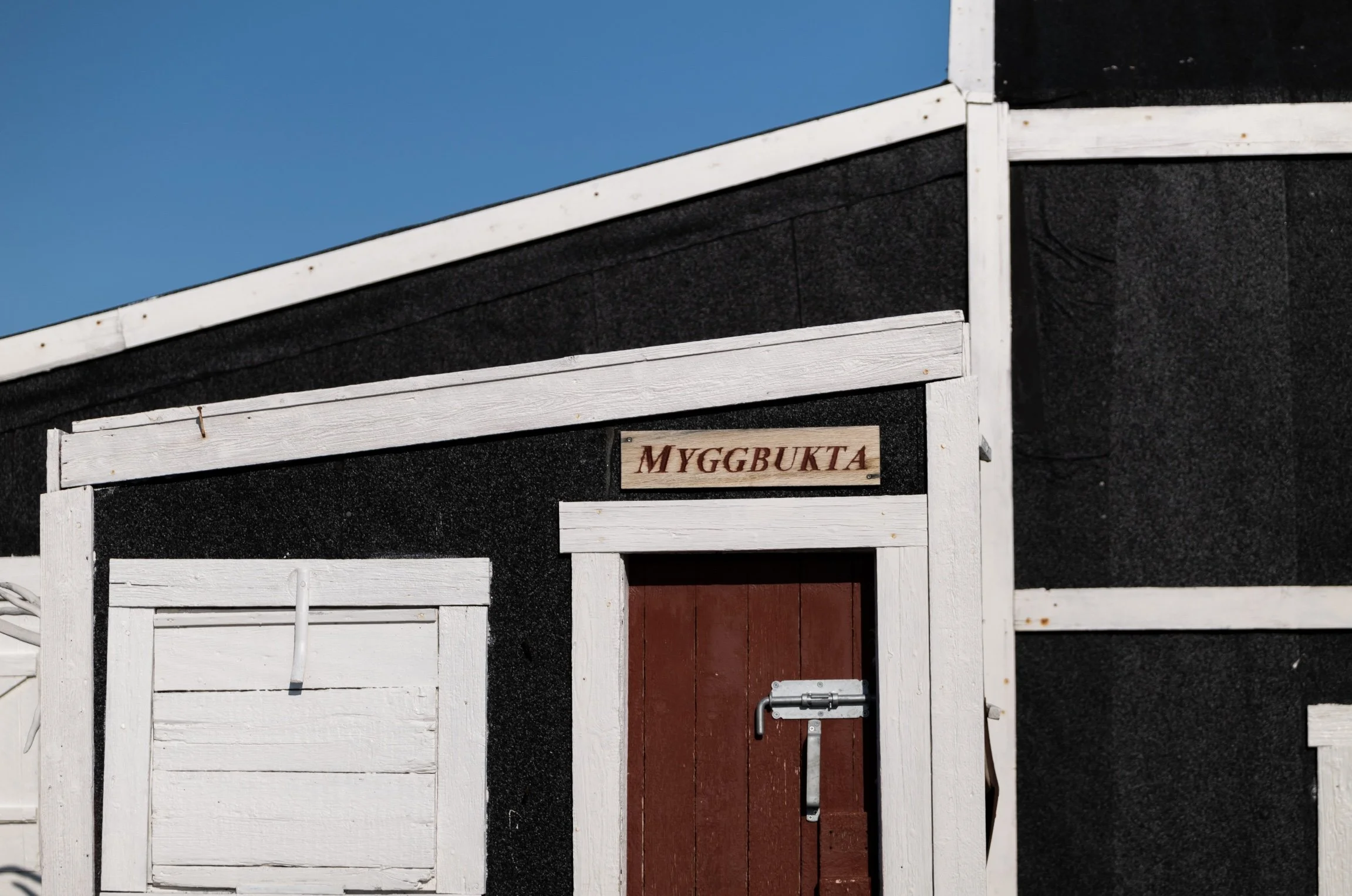
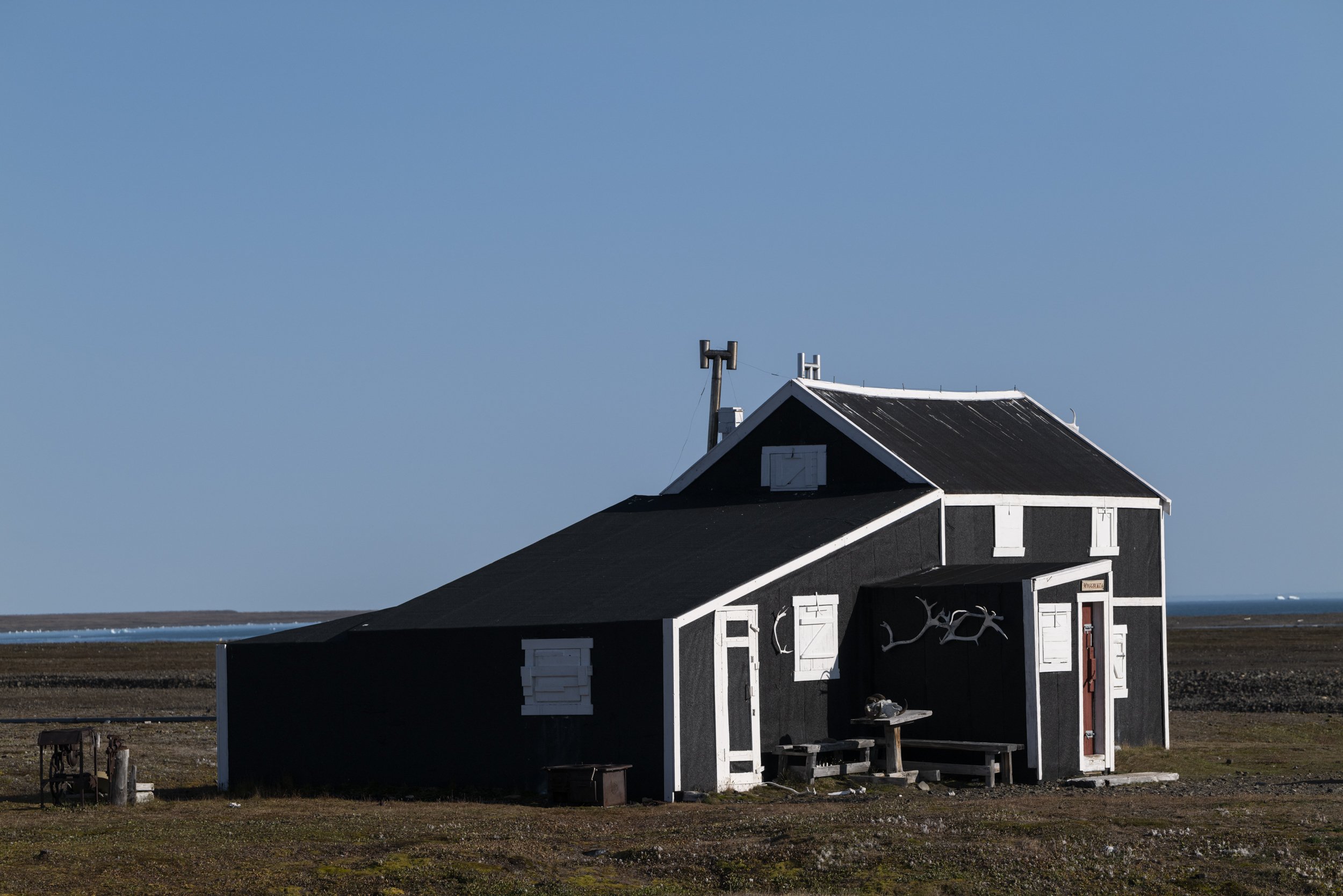
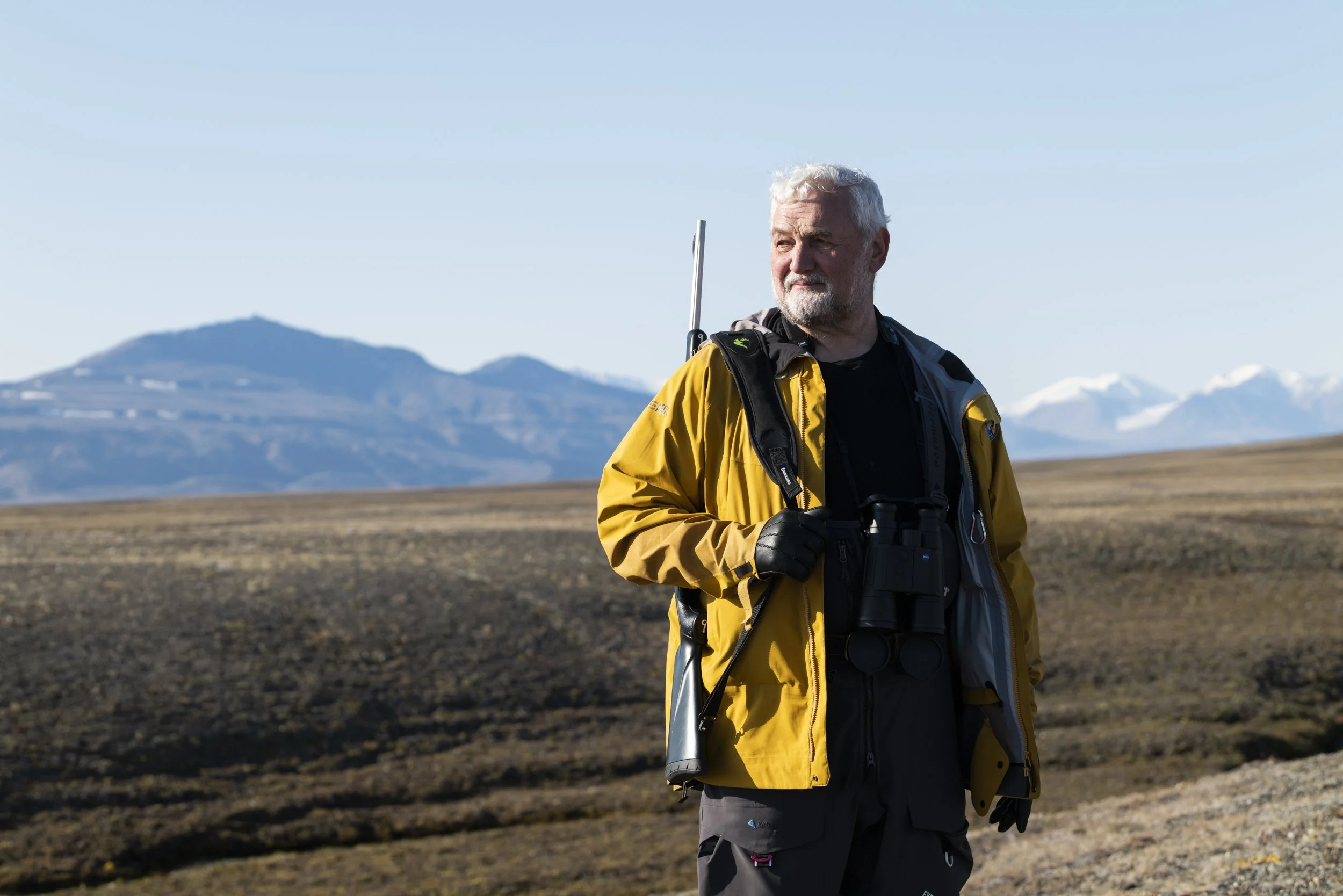
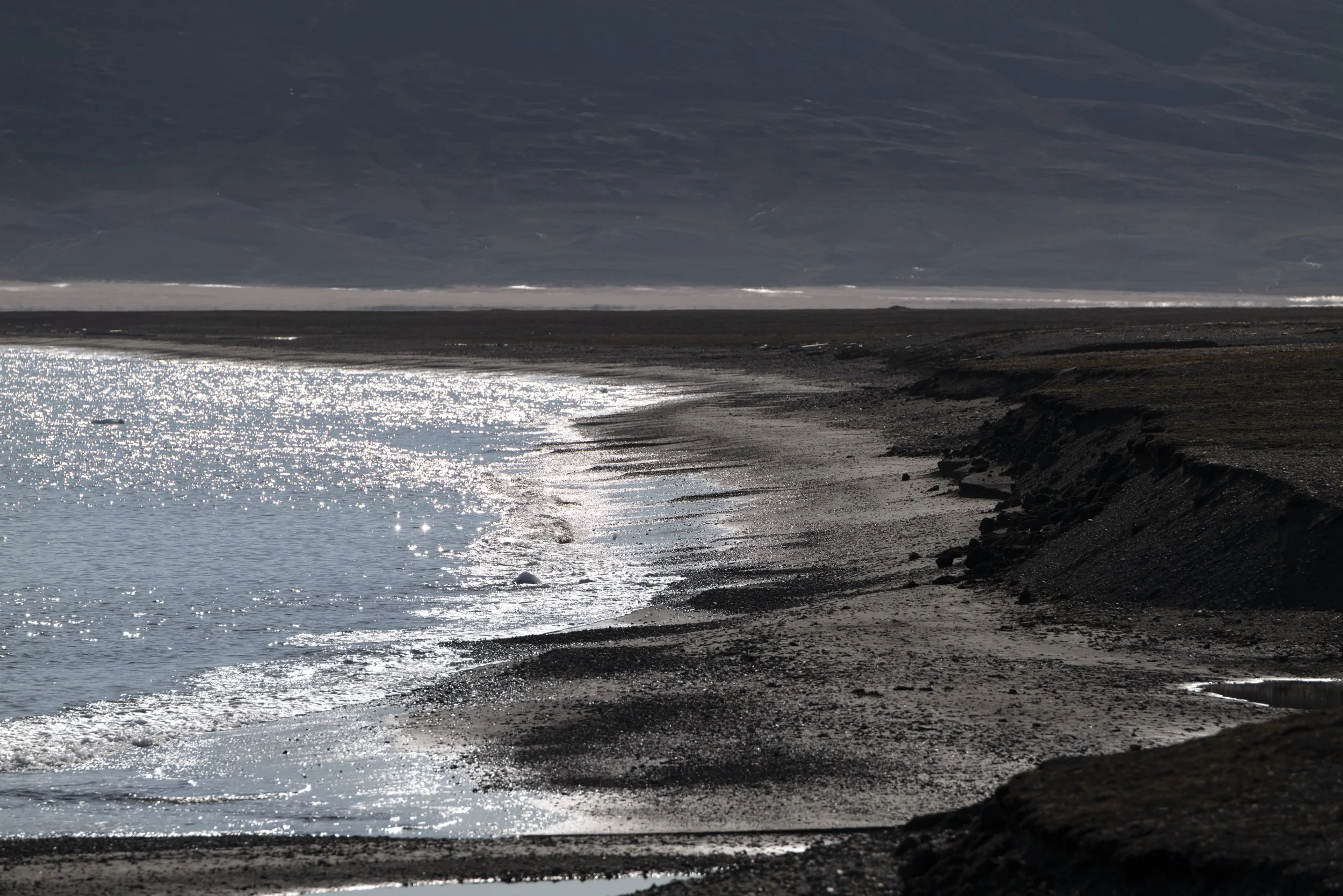
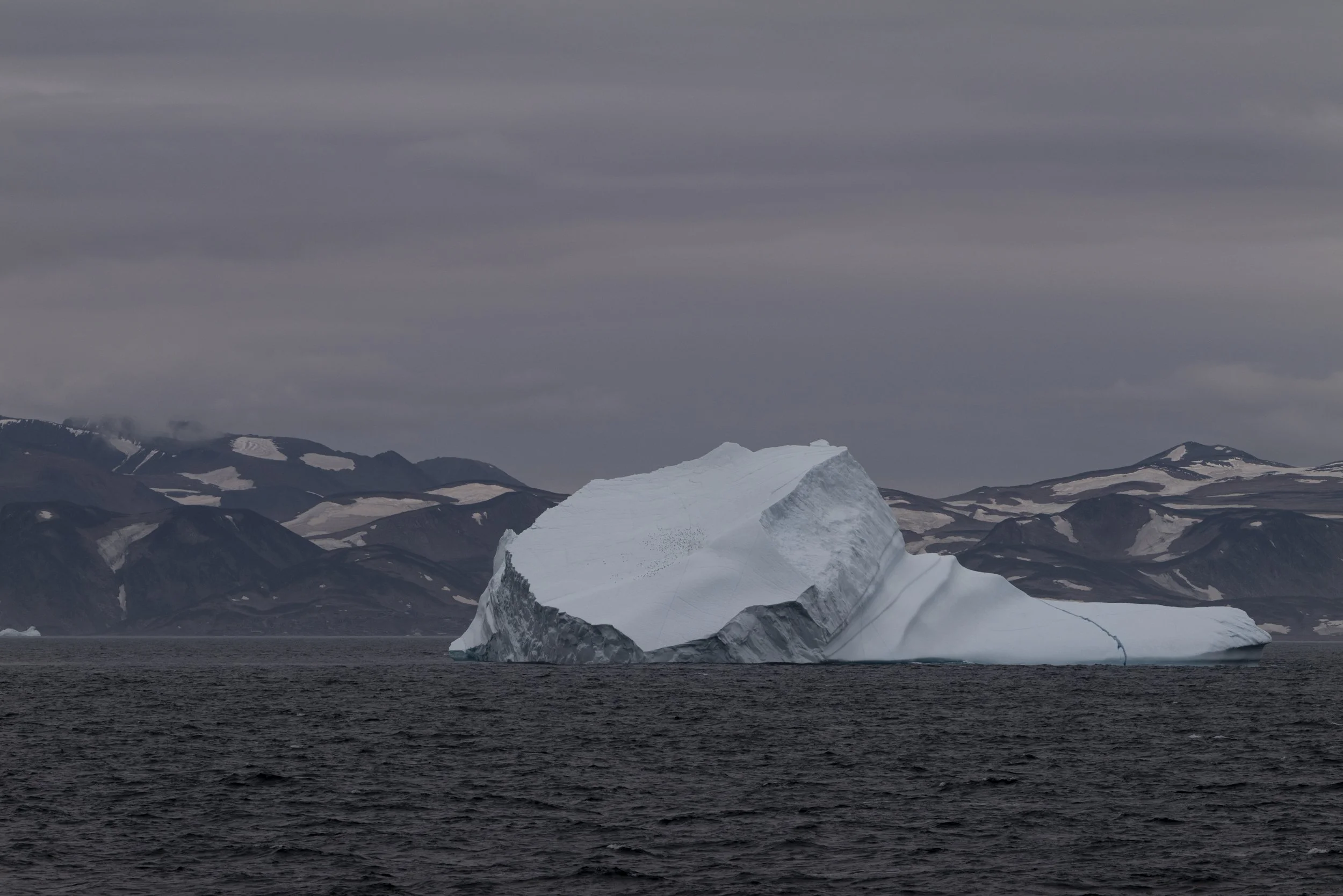
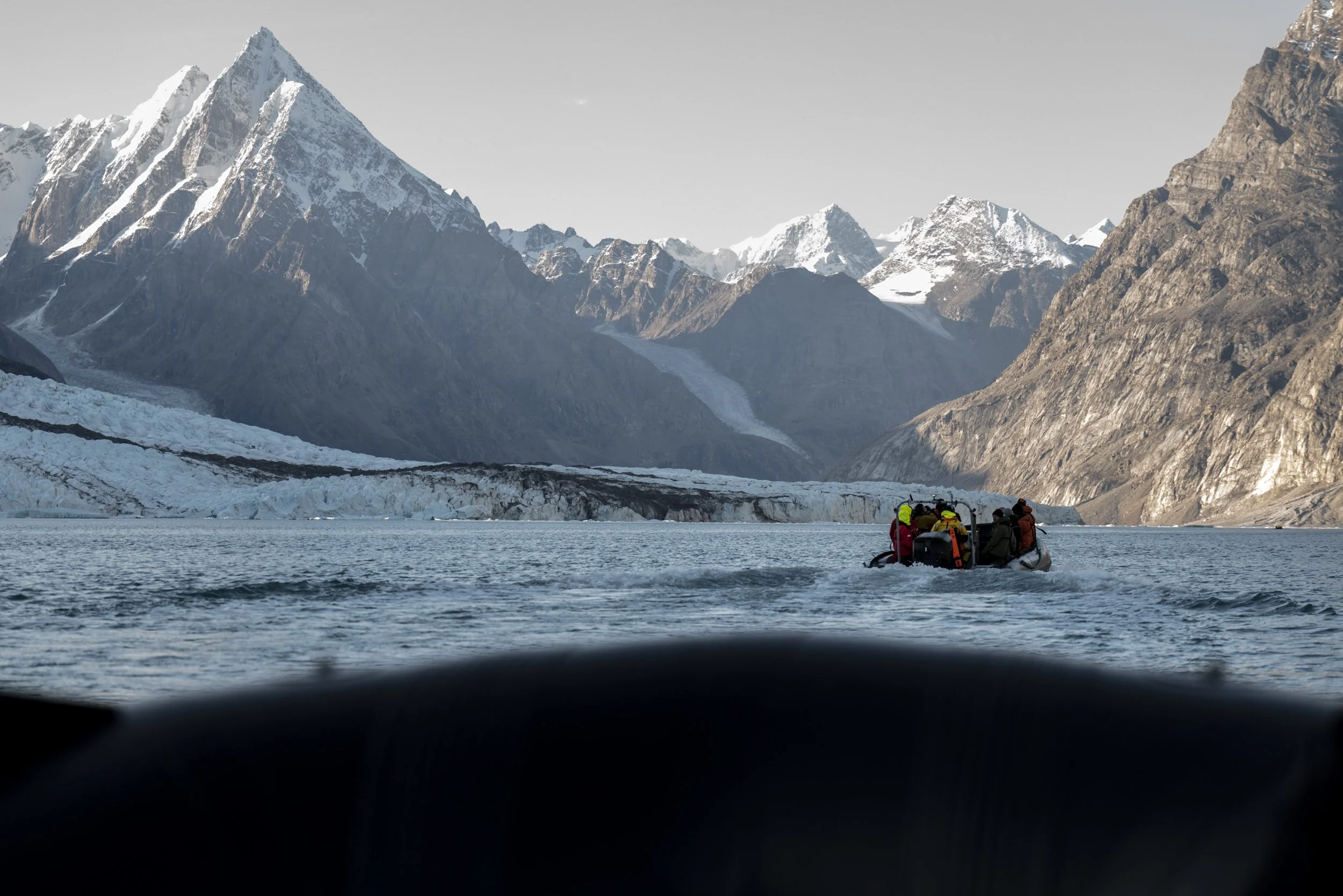
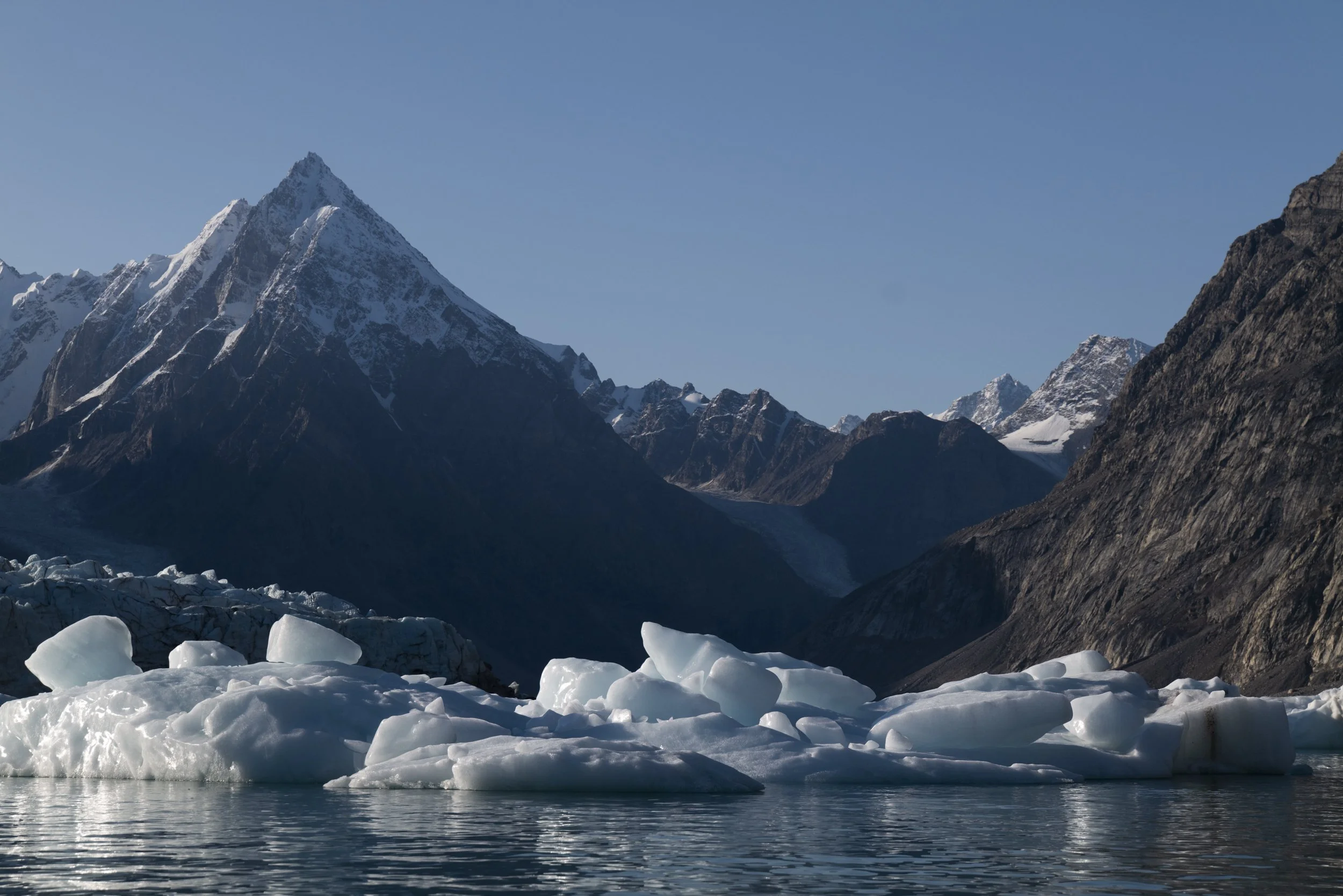
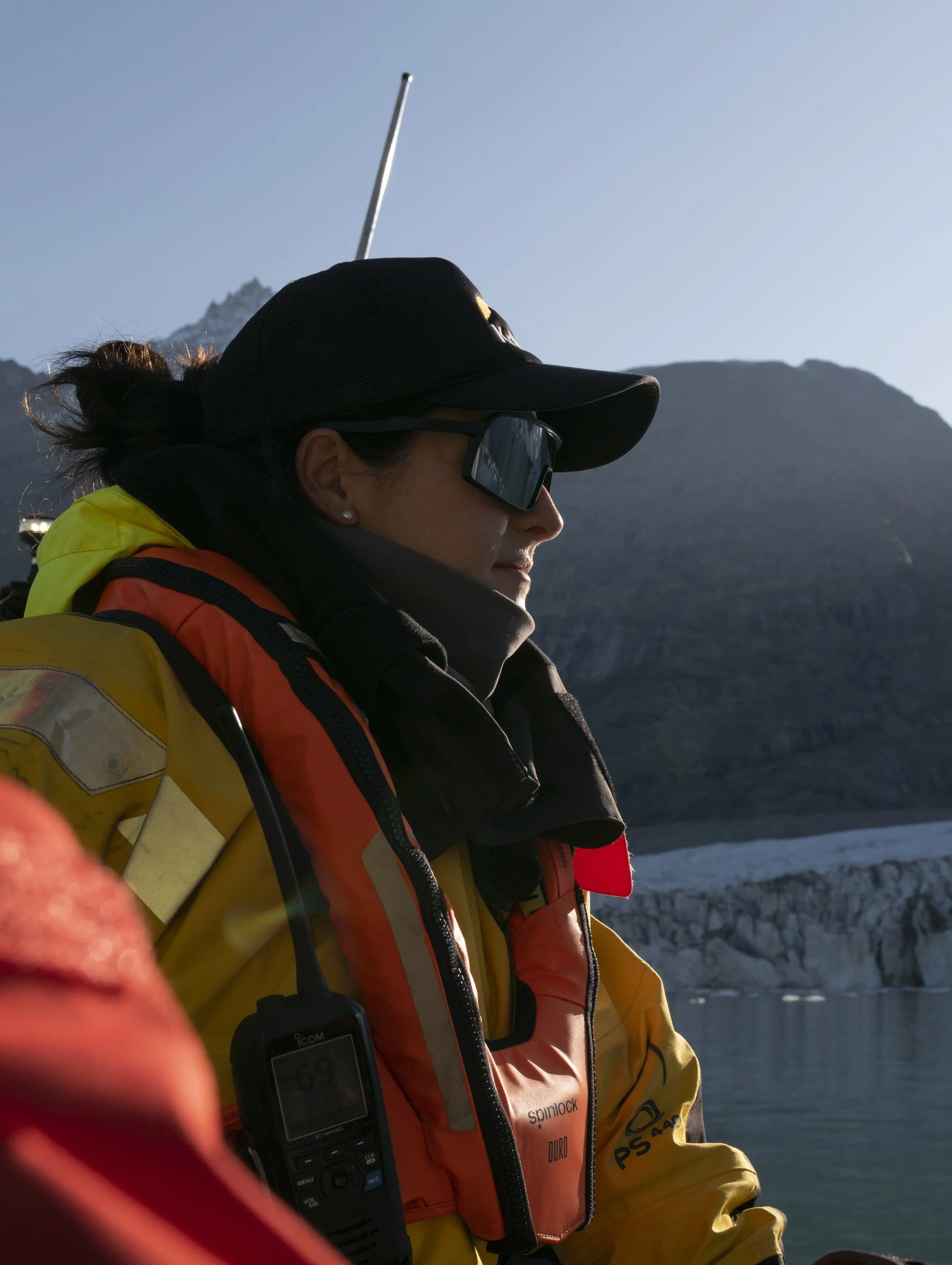
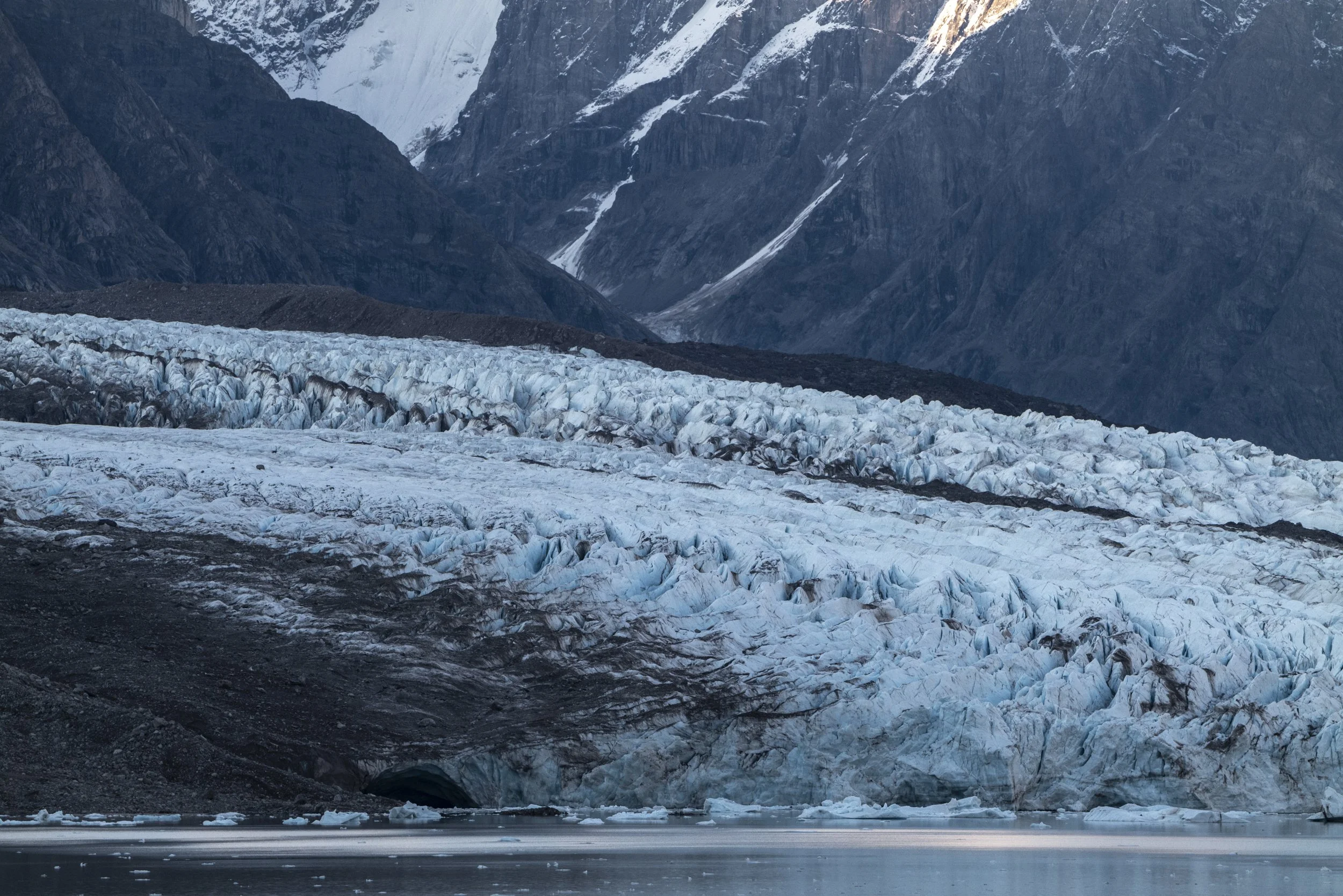
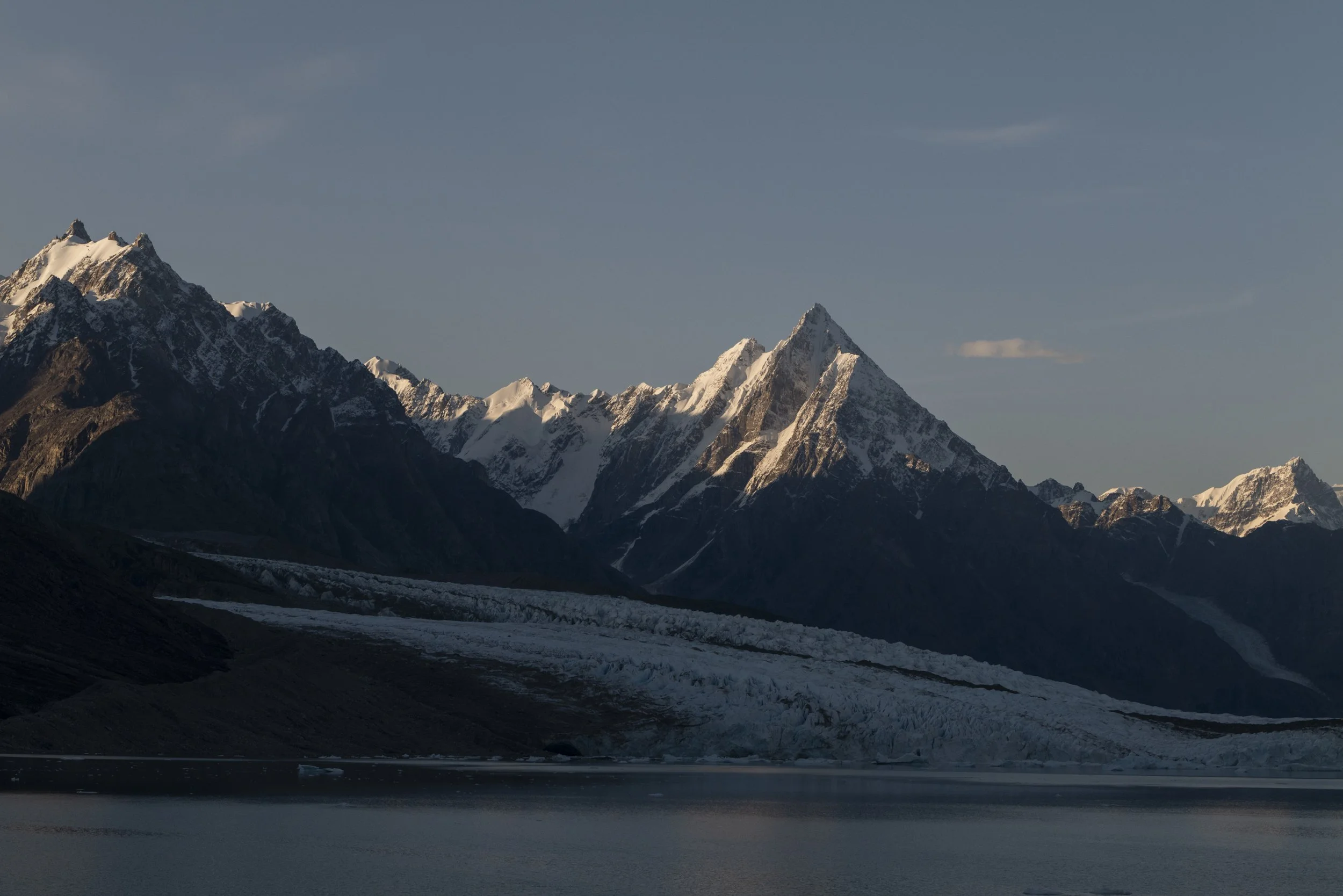
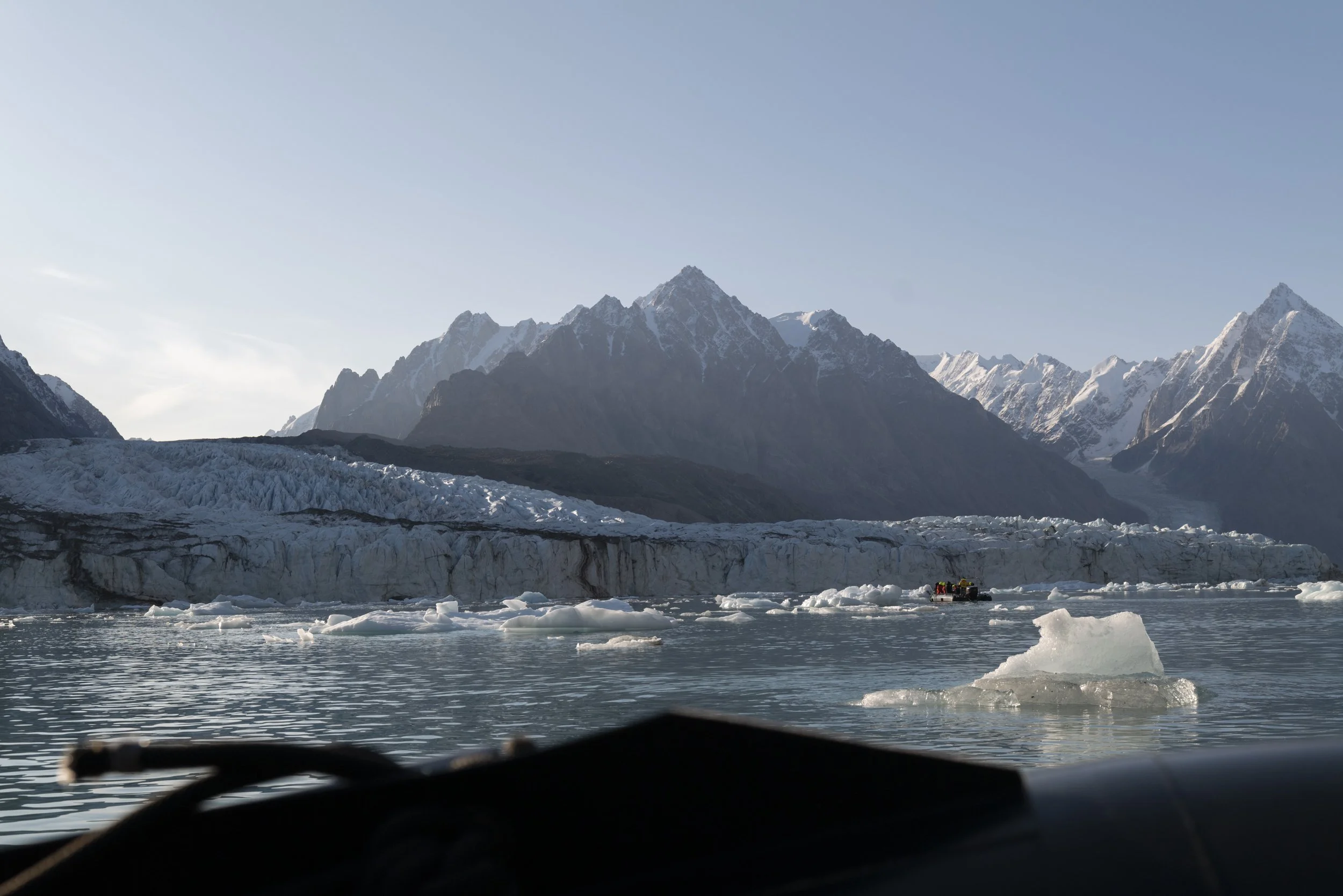
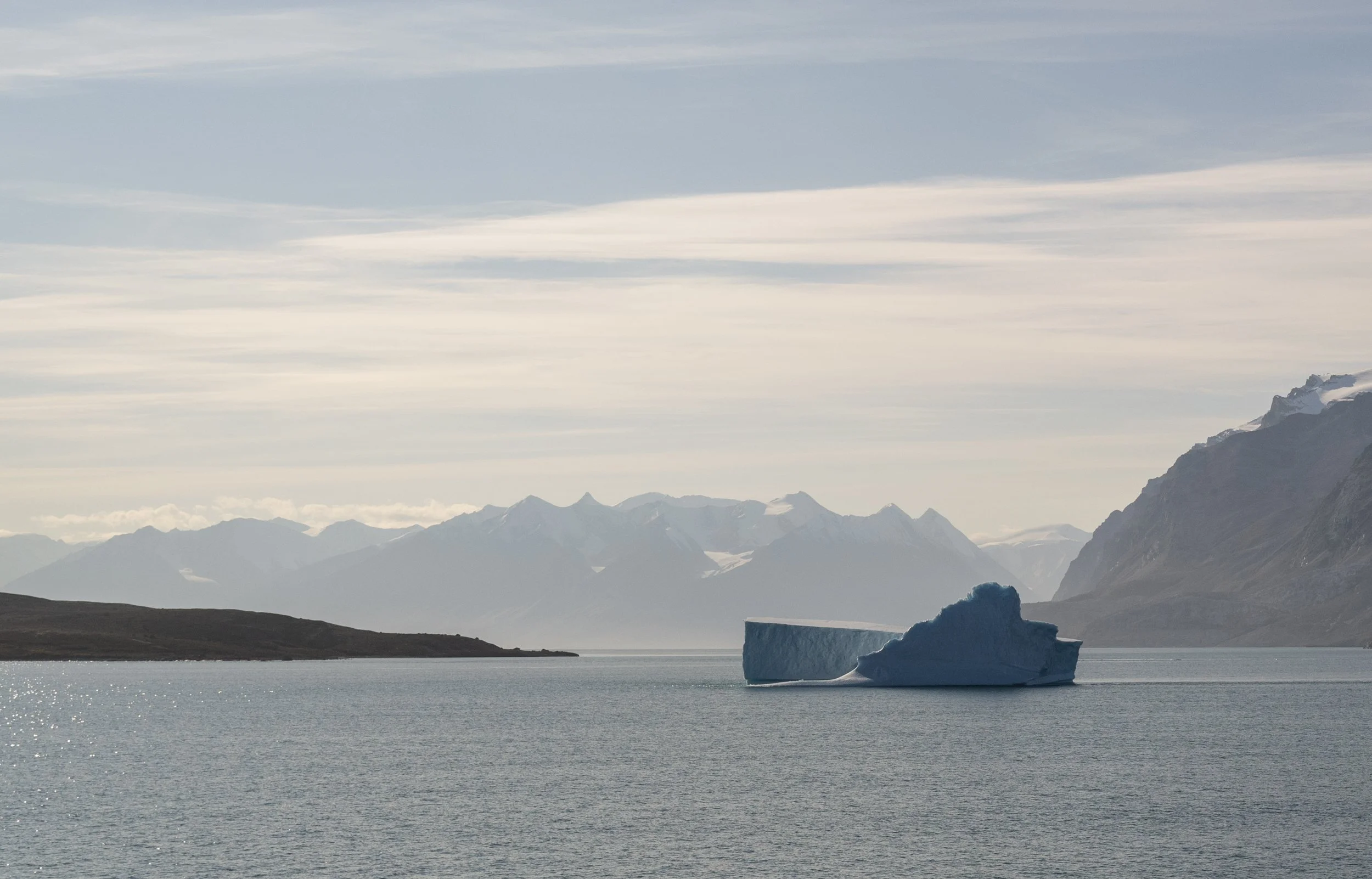
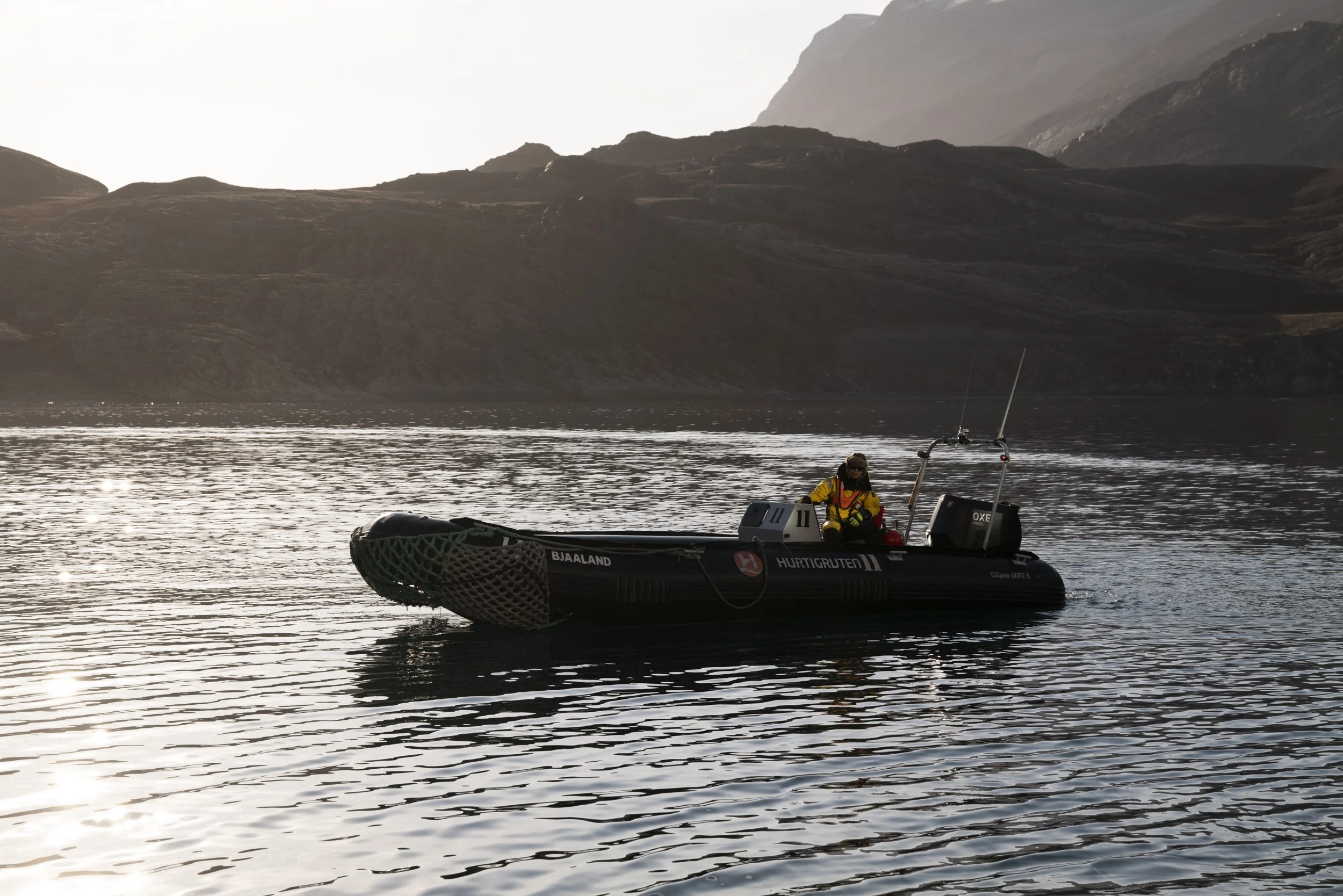
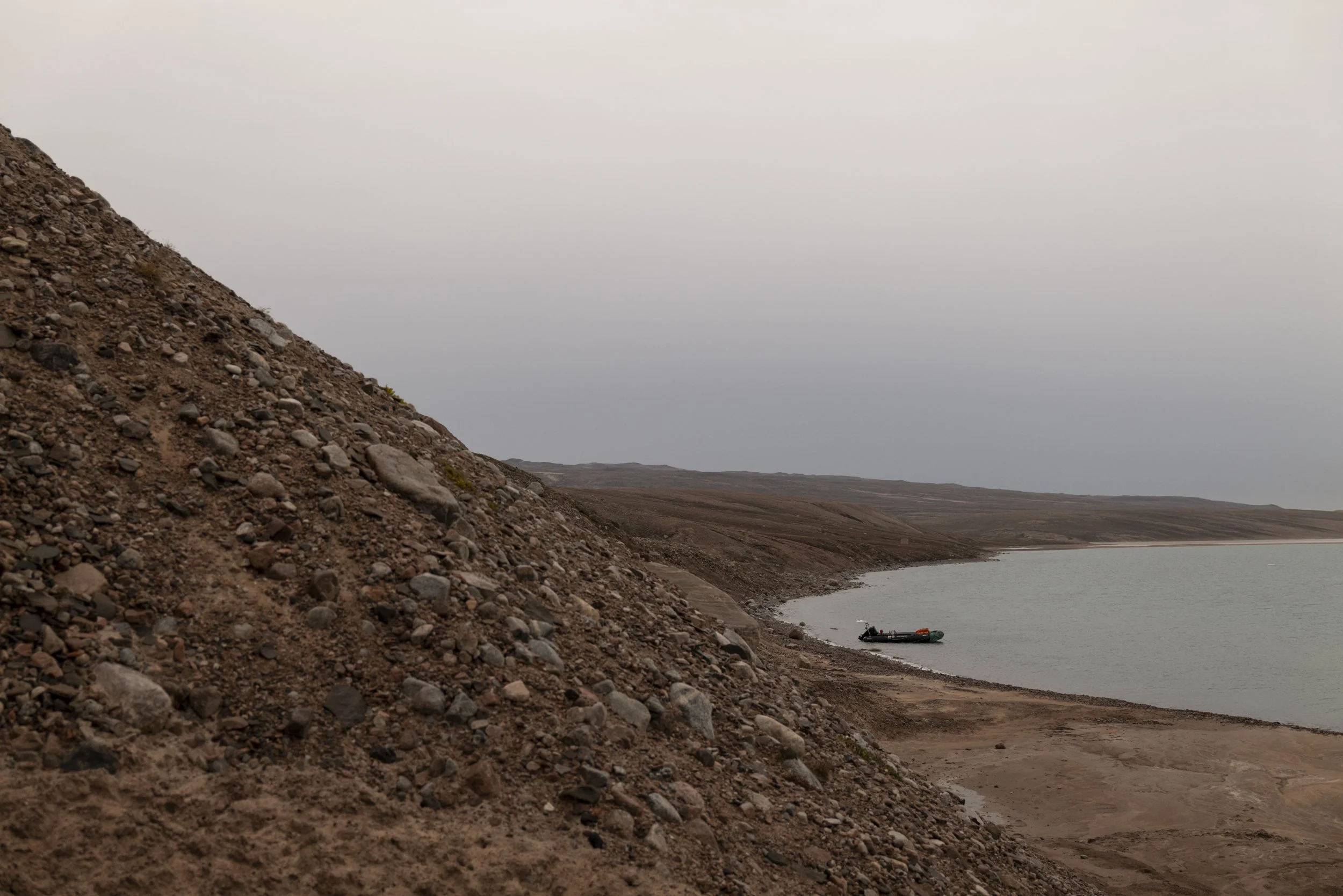
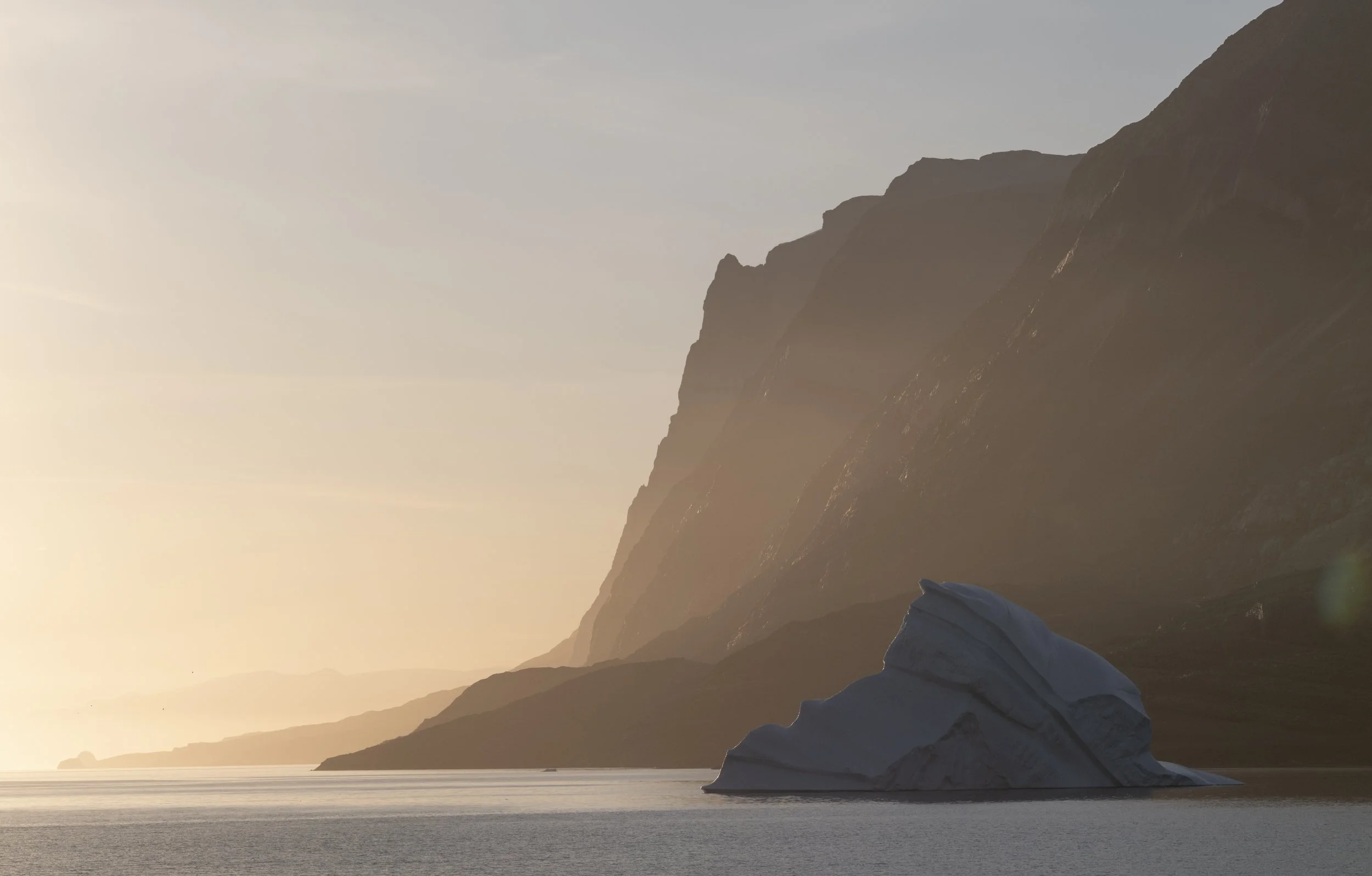
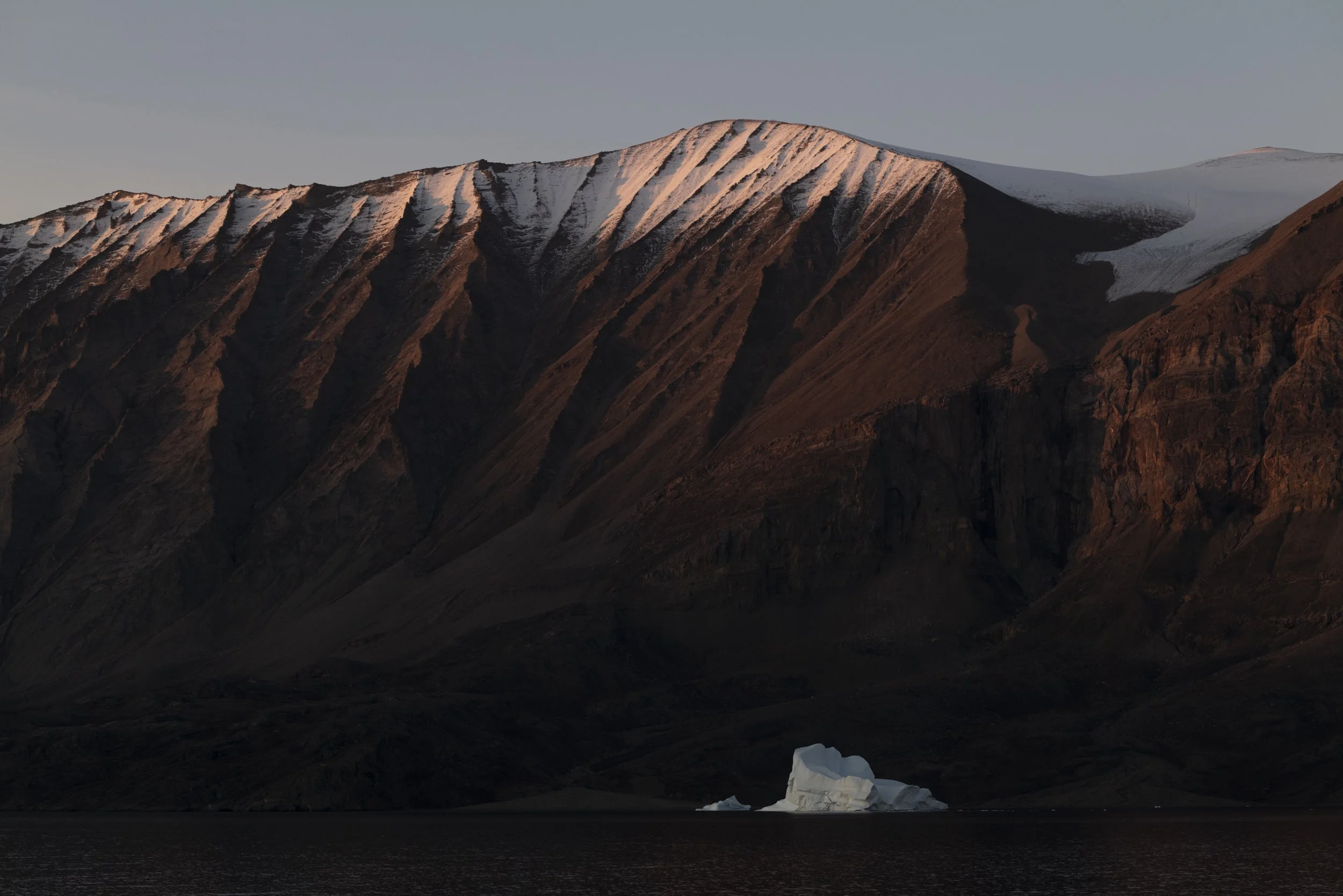
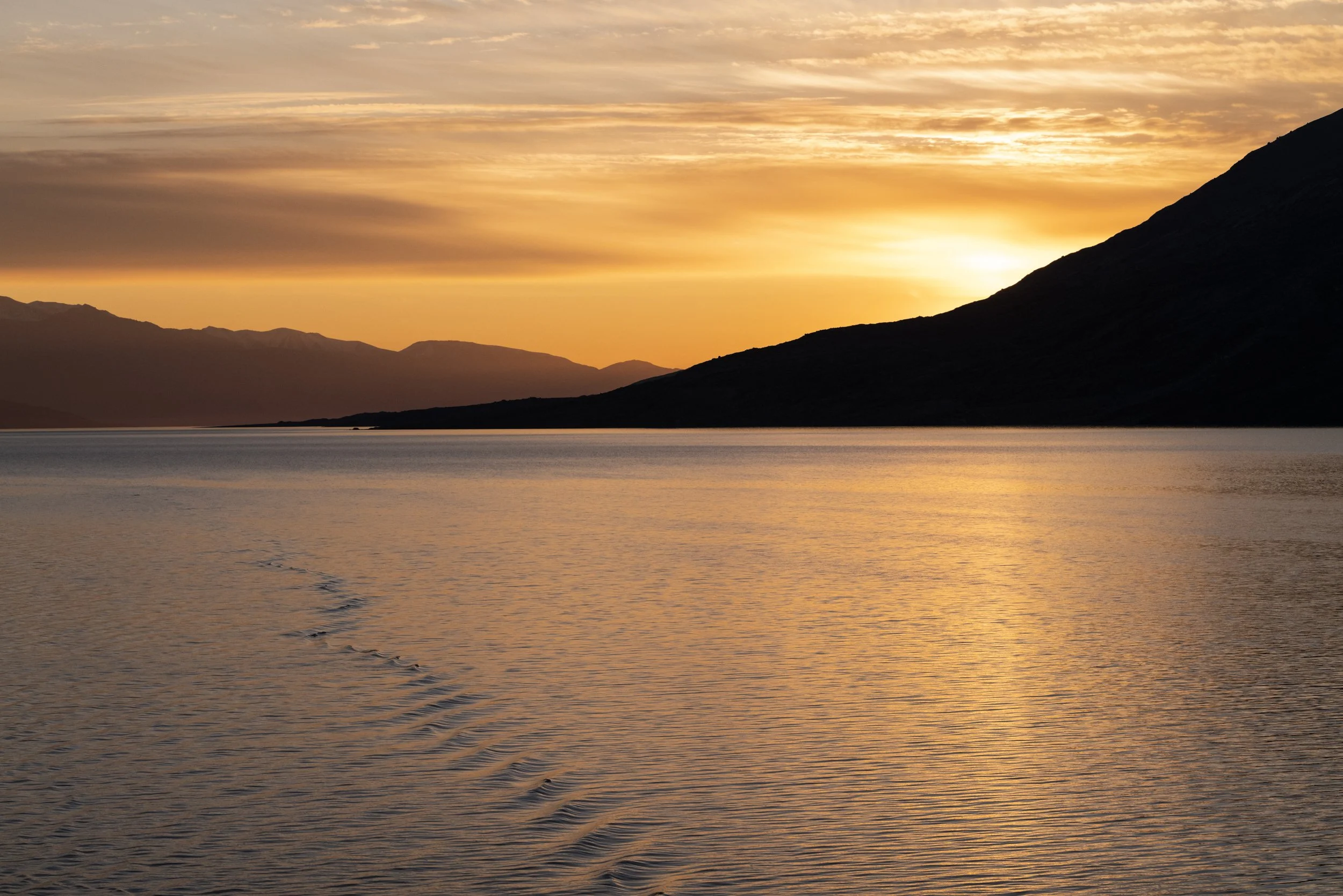
In the far reaches of East Greenland, the indigenous village of Ittoqqortoormiit sits at the edge of the Arctic Ocean, where daily life is shaped by sea ice, weather, and community. This photographic body of work is a close, human portrait of place, documenting intimate moments of local life while tracing the larger forces that have long pressed in on Greenland: colonization, strategic militarization, and the accelerating geopolitical competition for mineral resources.
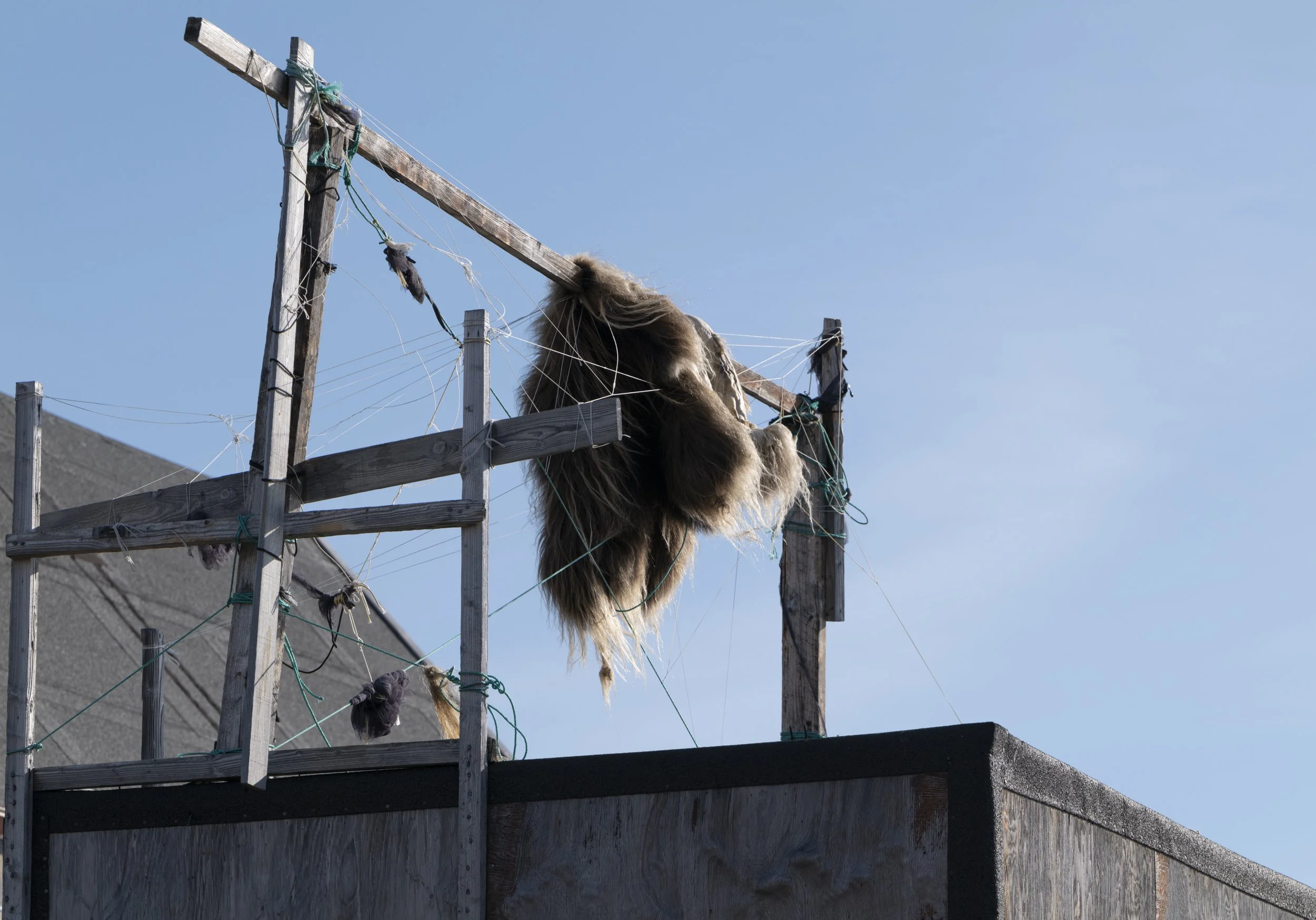
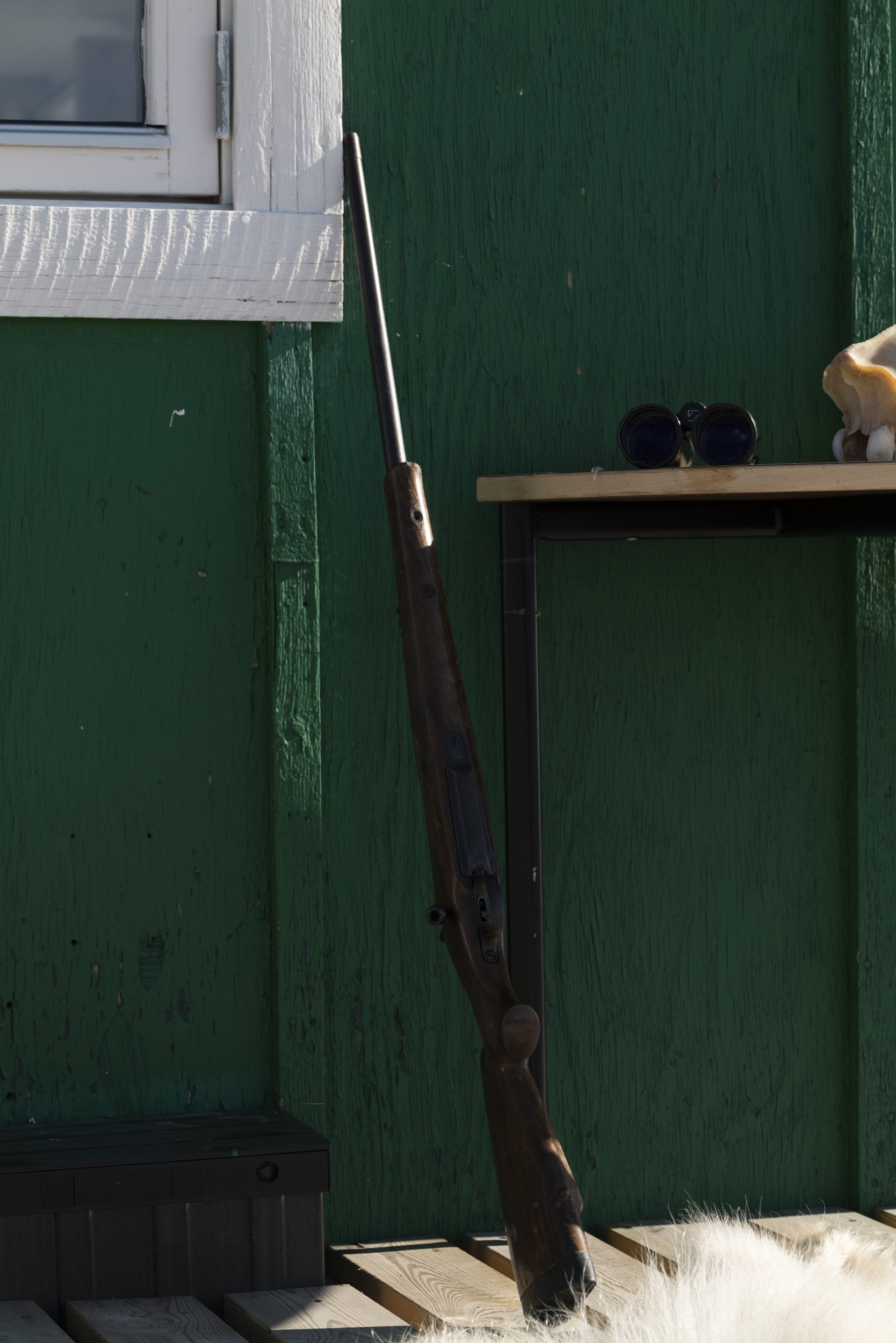
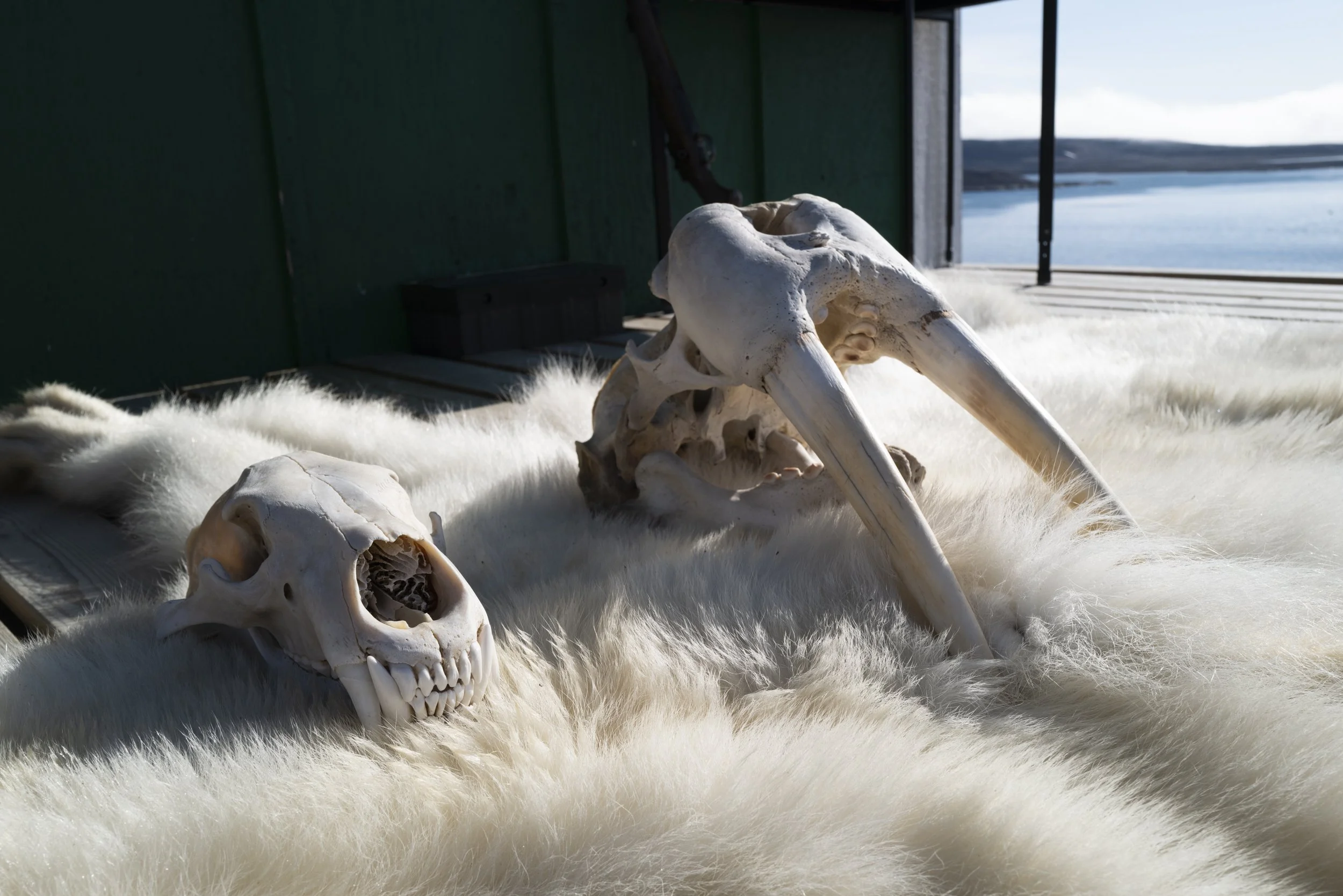
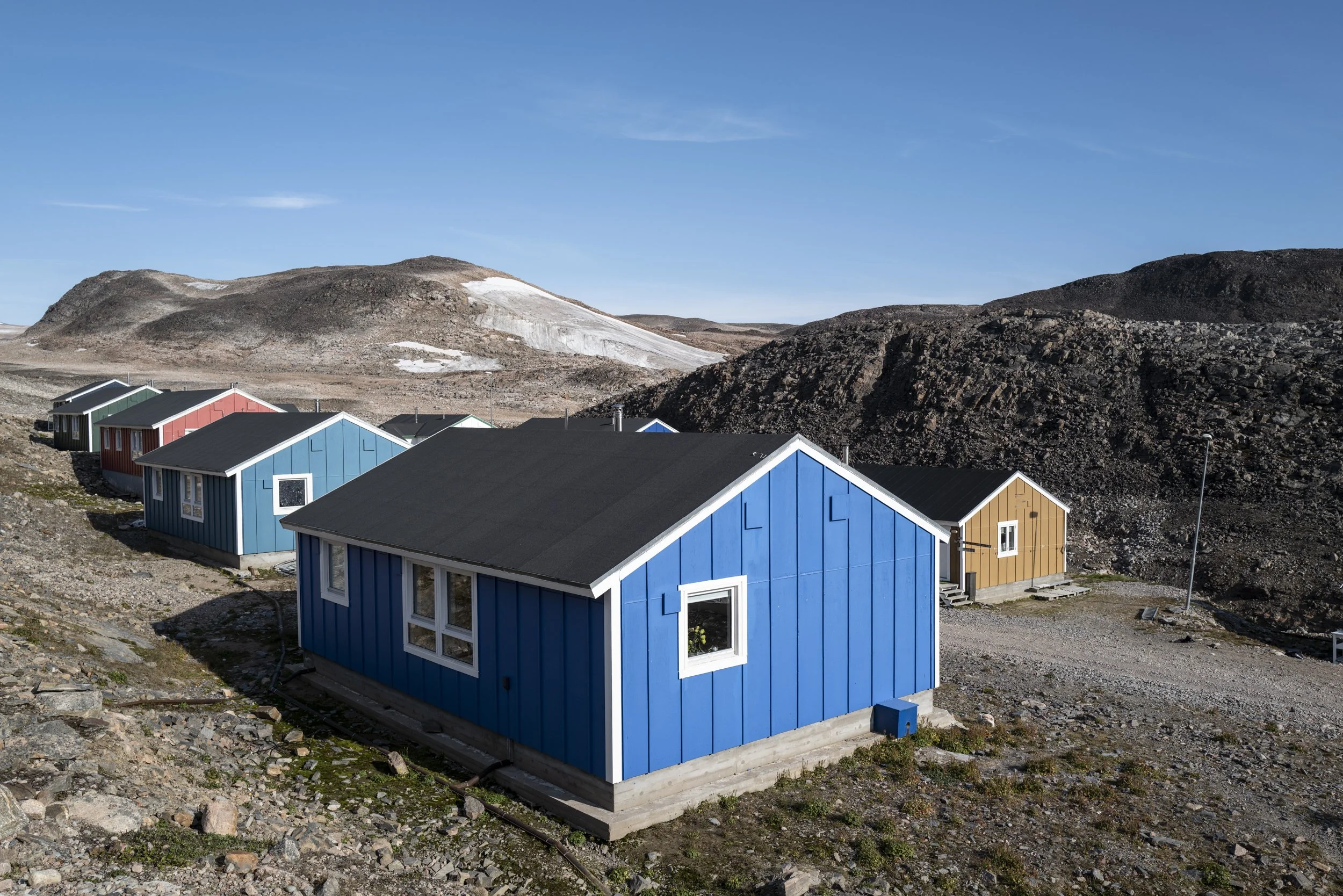
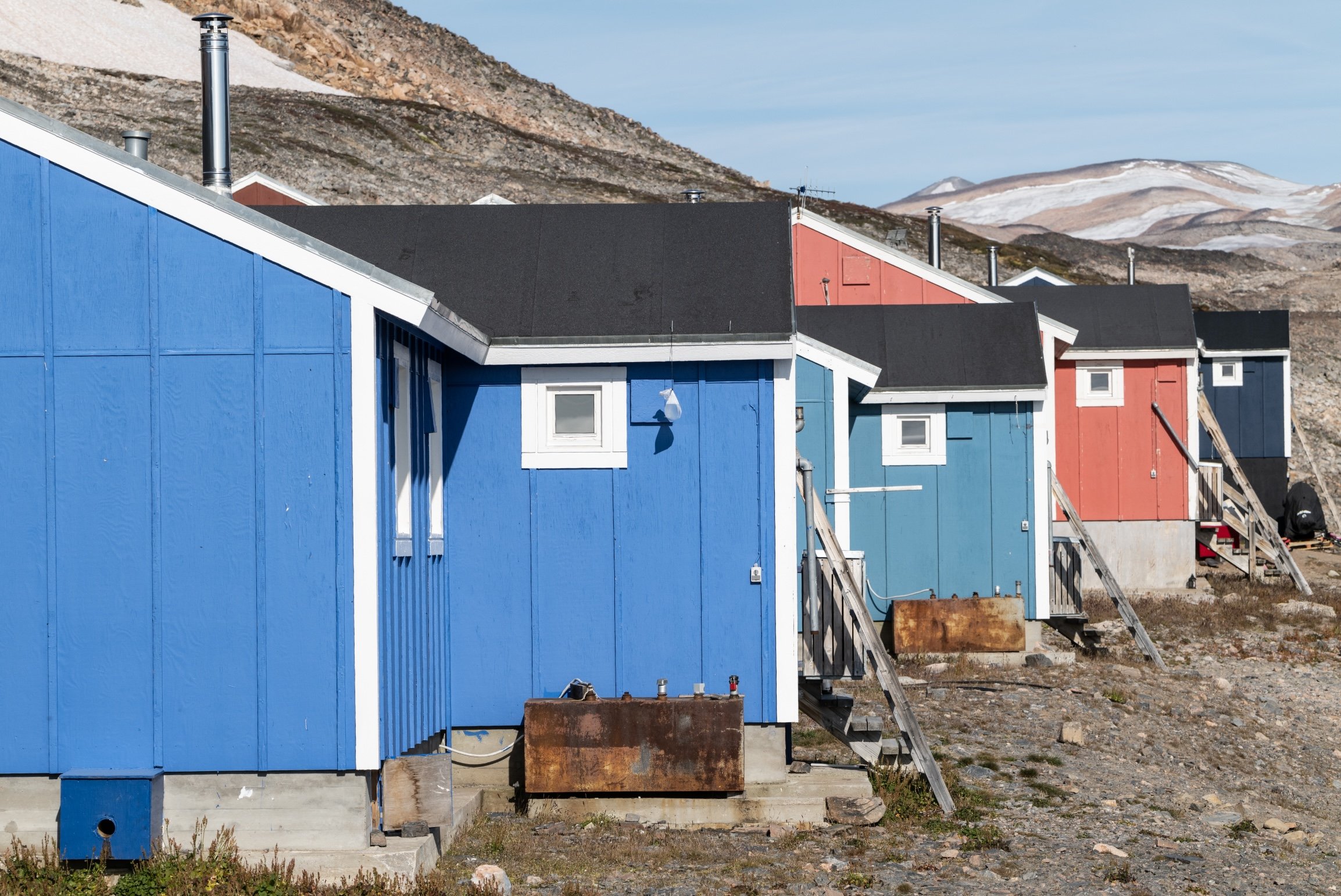
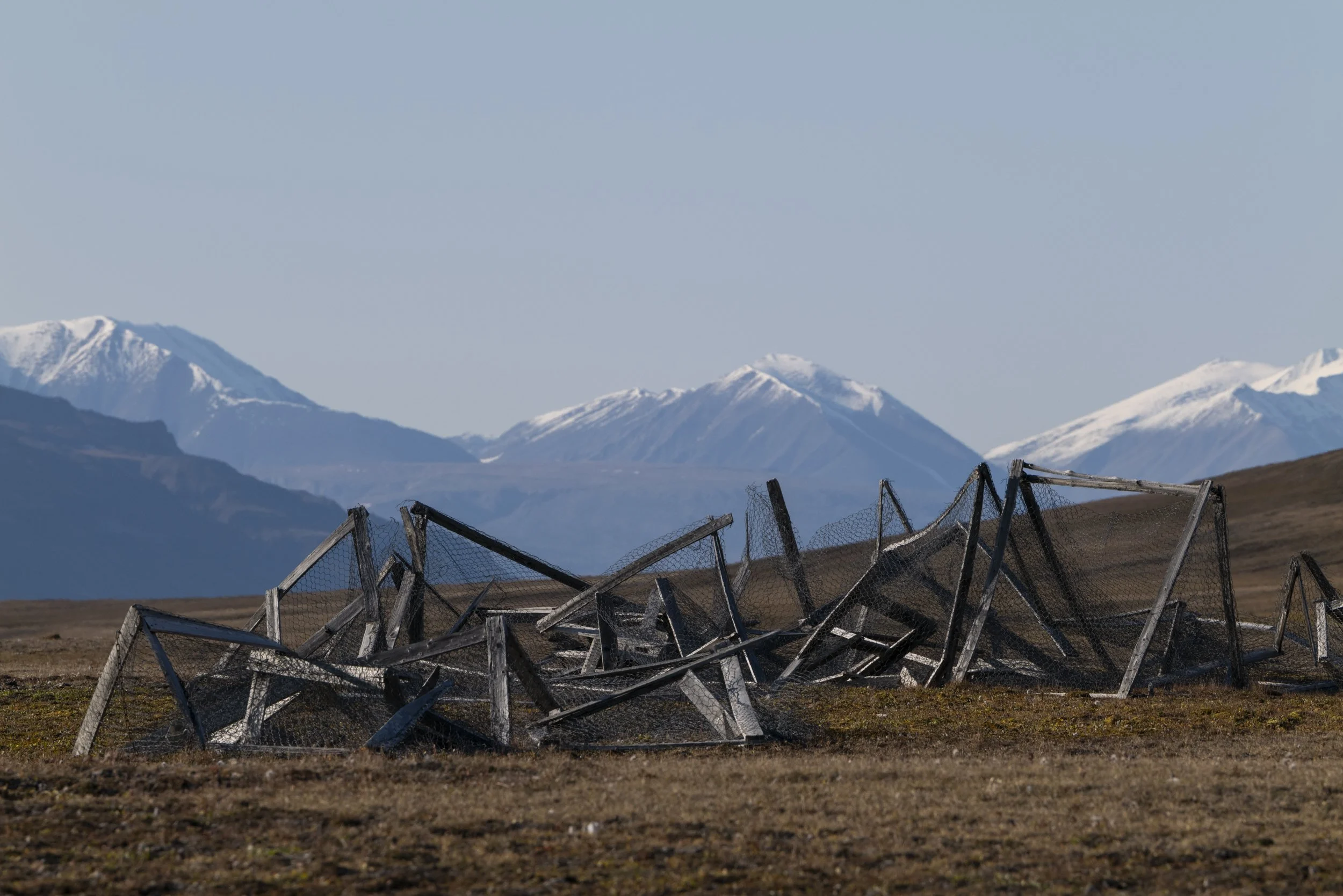
These images move between the immediate and the systemic. On one level, they are grounded in lived reality: homes, harbors, faces, work, resilience, and the quiet choreography of life in a remote settlement. On another, they sit inside a longer history of Danish governance and cultural influence, and the ongoing tension between local autonomy and outside power. Greenland’s modern identity is inseparable from this relationship to Denmark, including the legacy of colonial administration and the enduring presence of Danish institutions in everyday life.
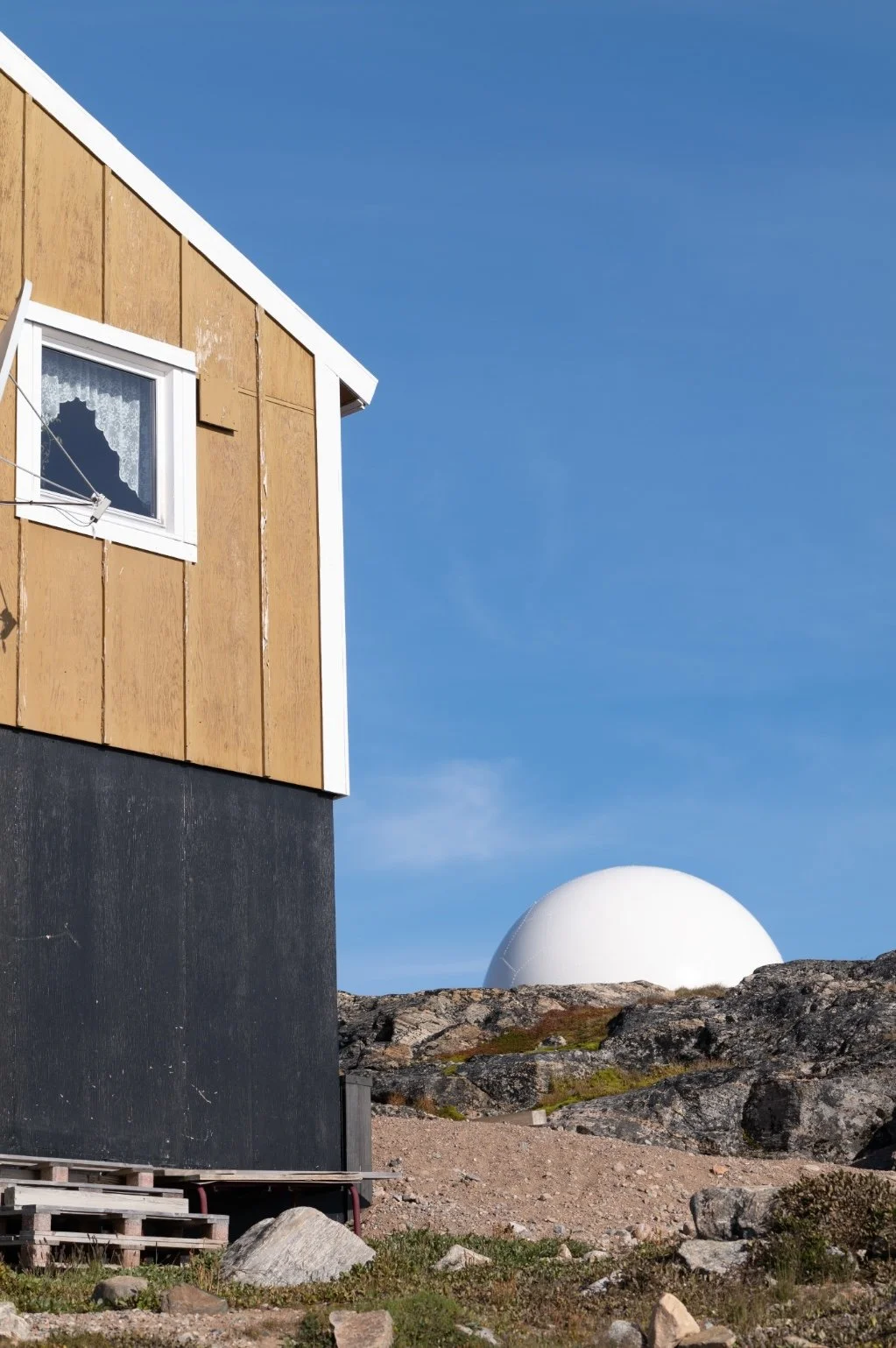
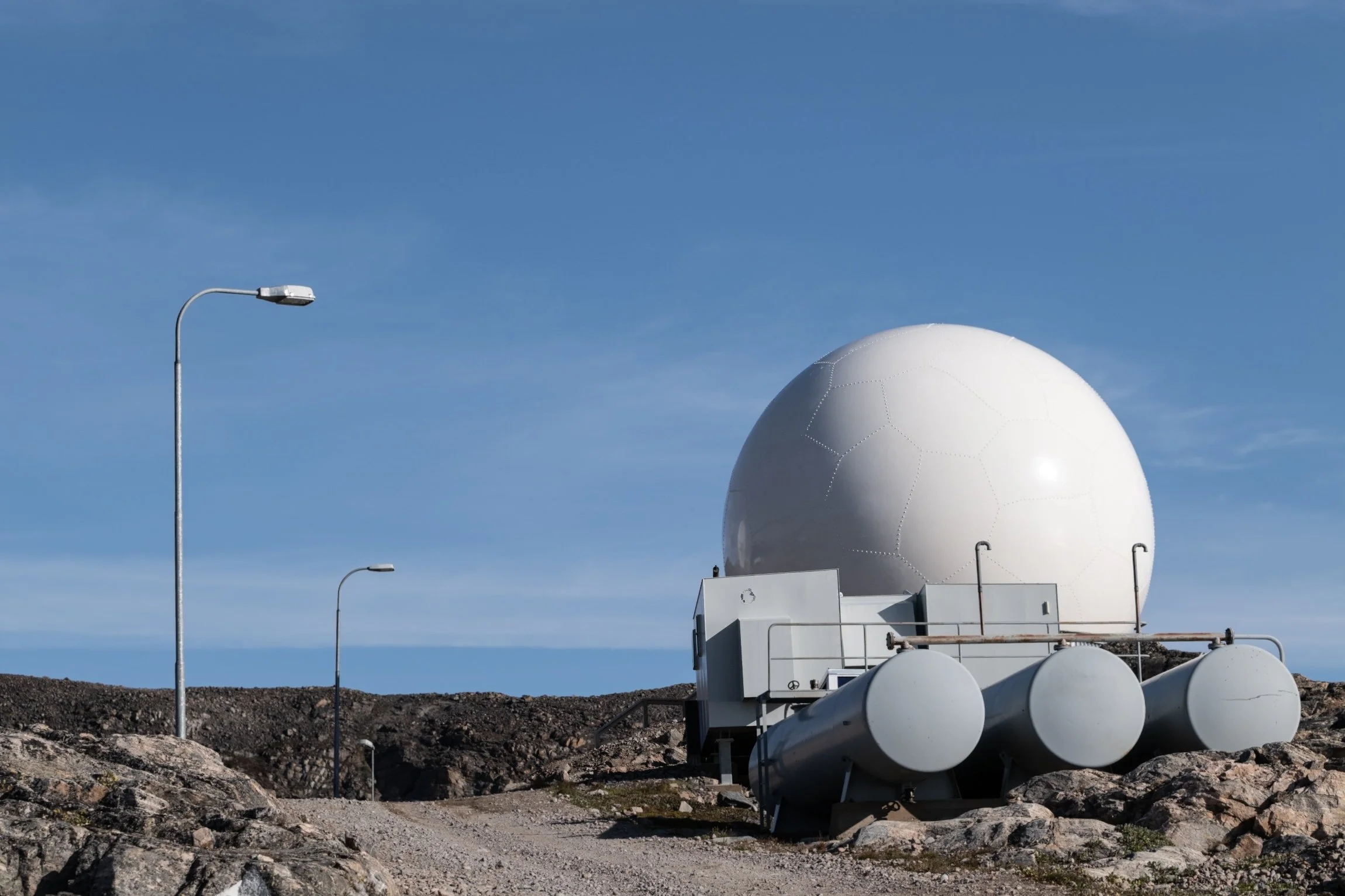
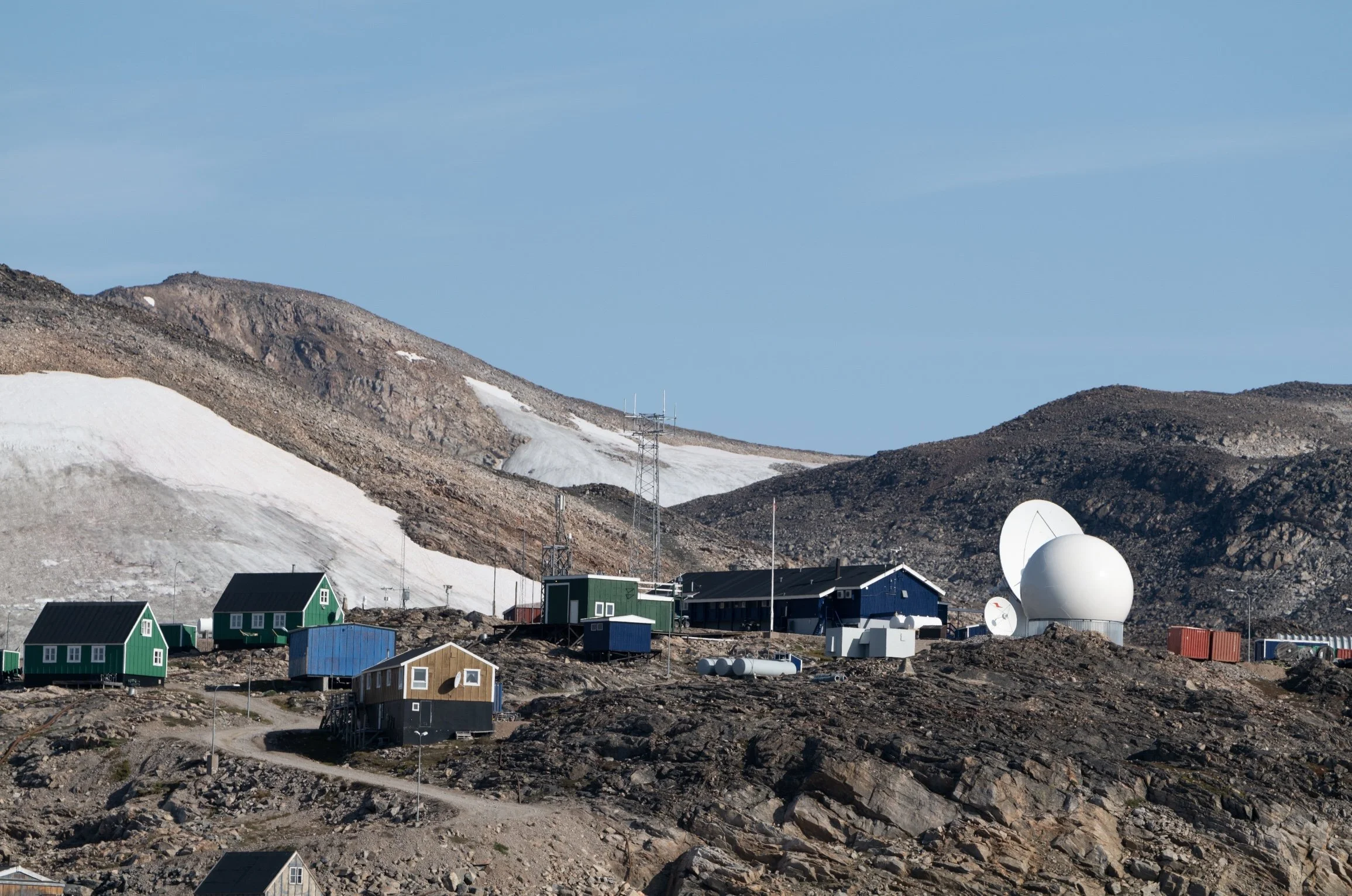
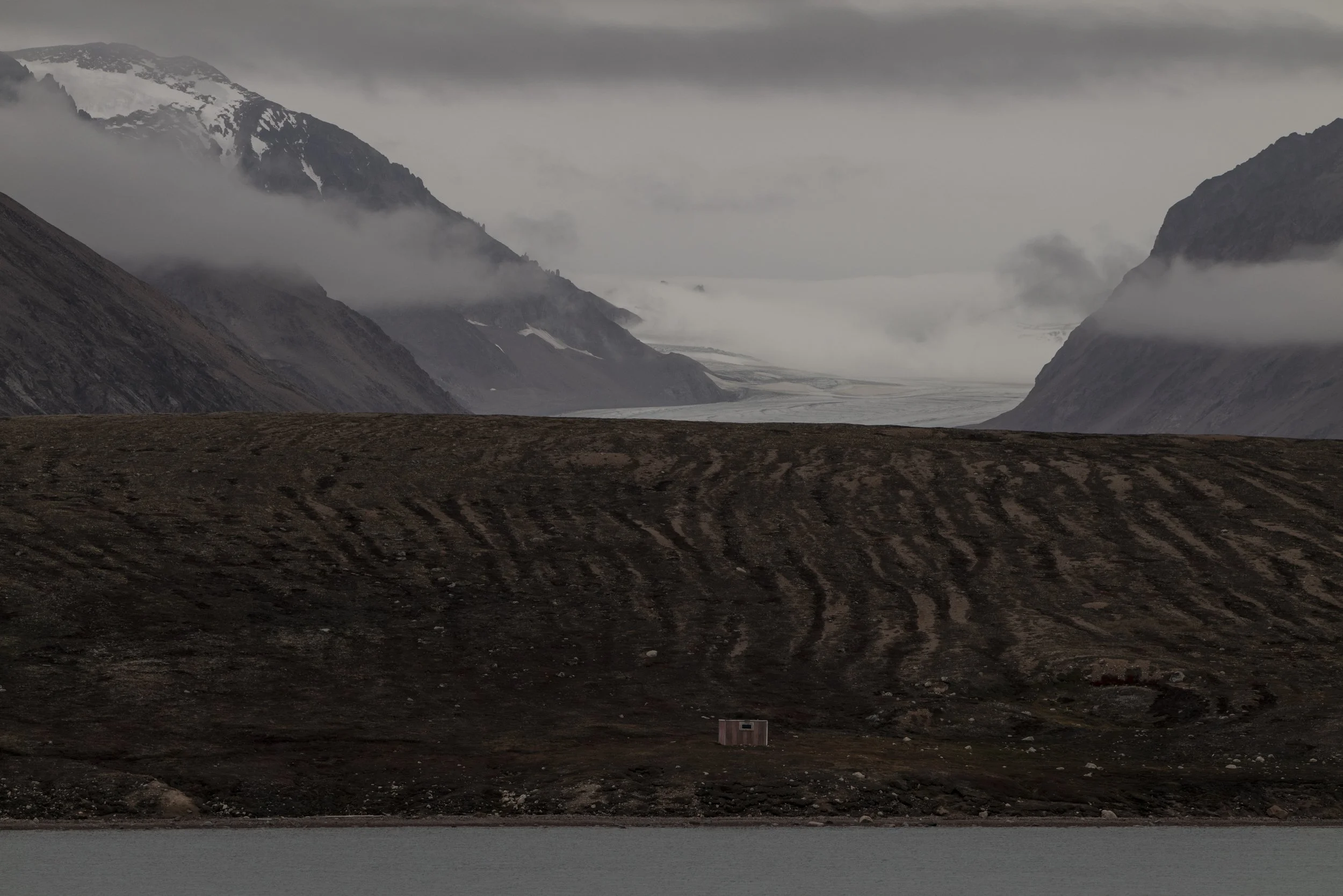
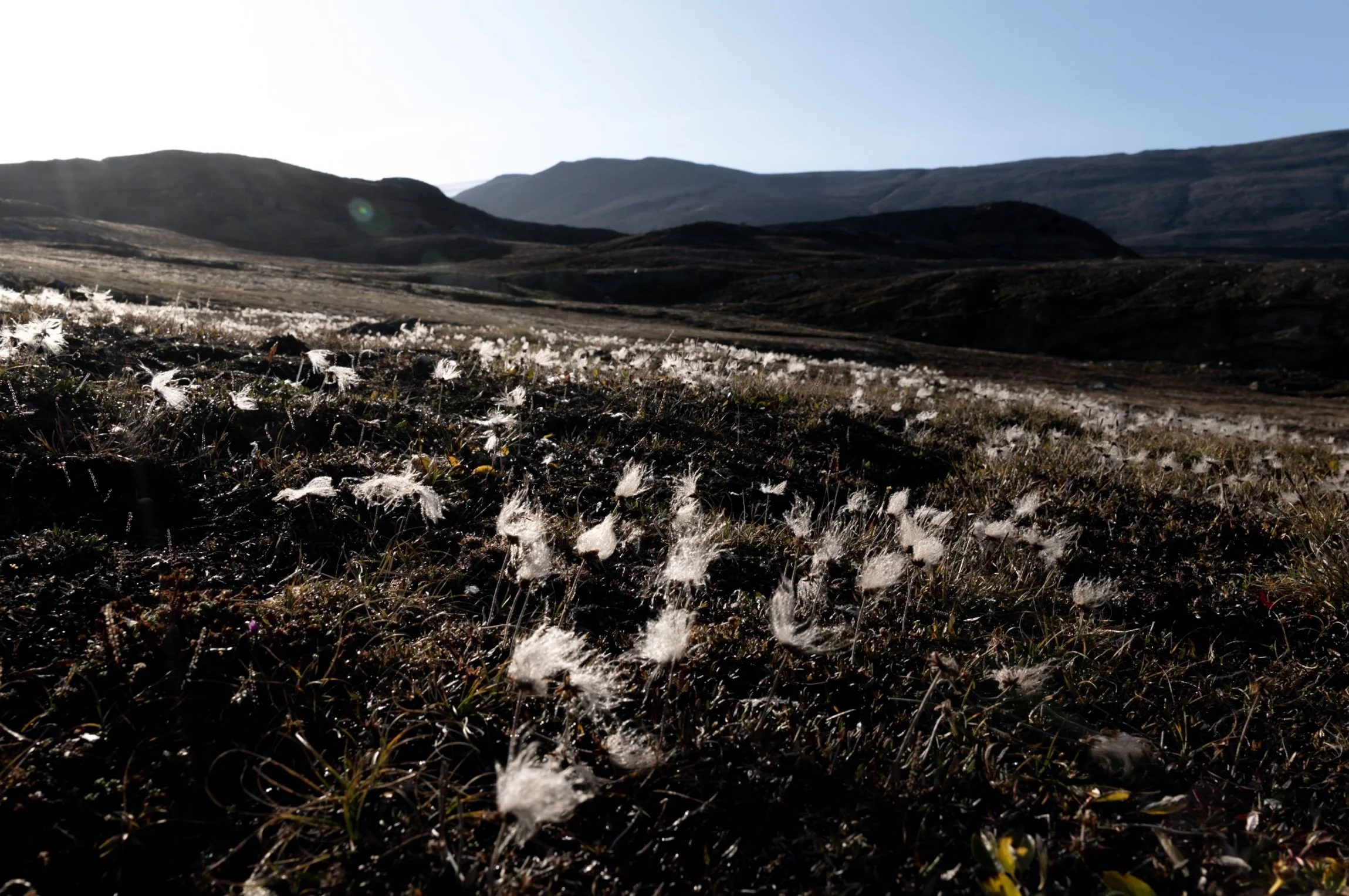
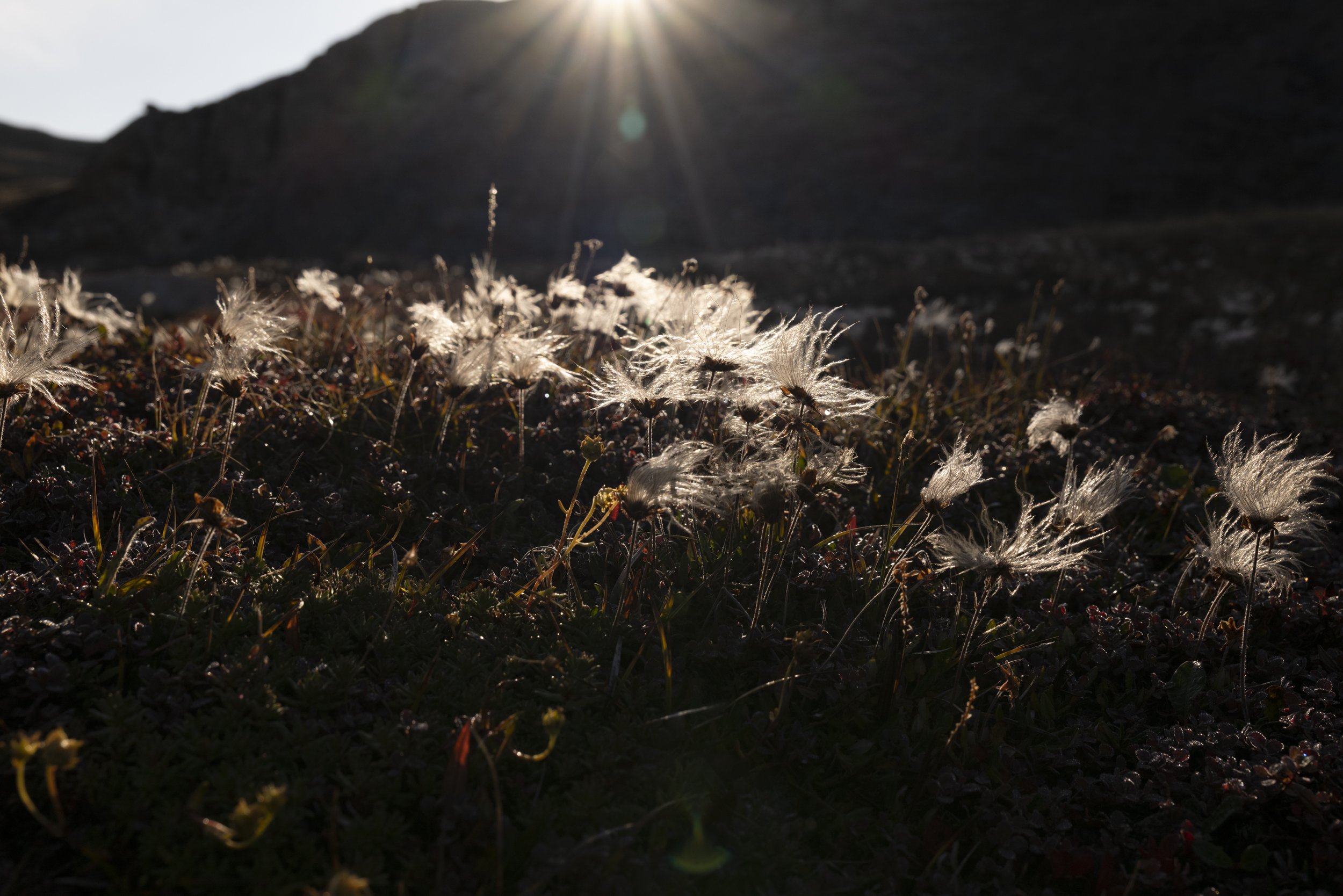
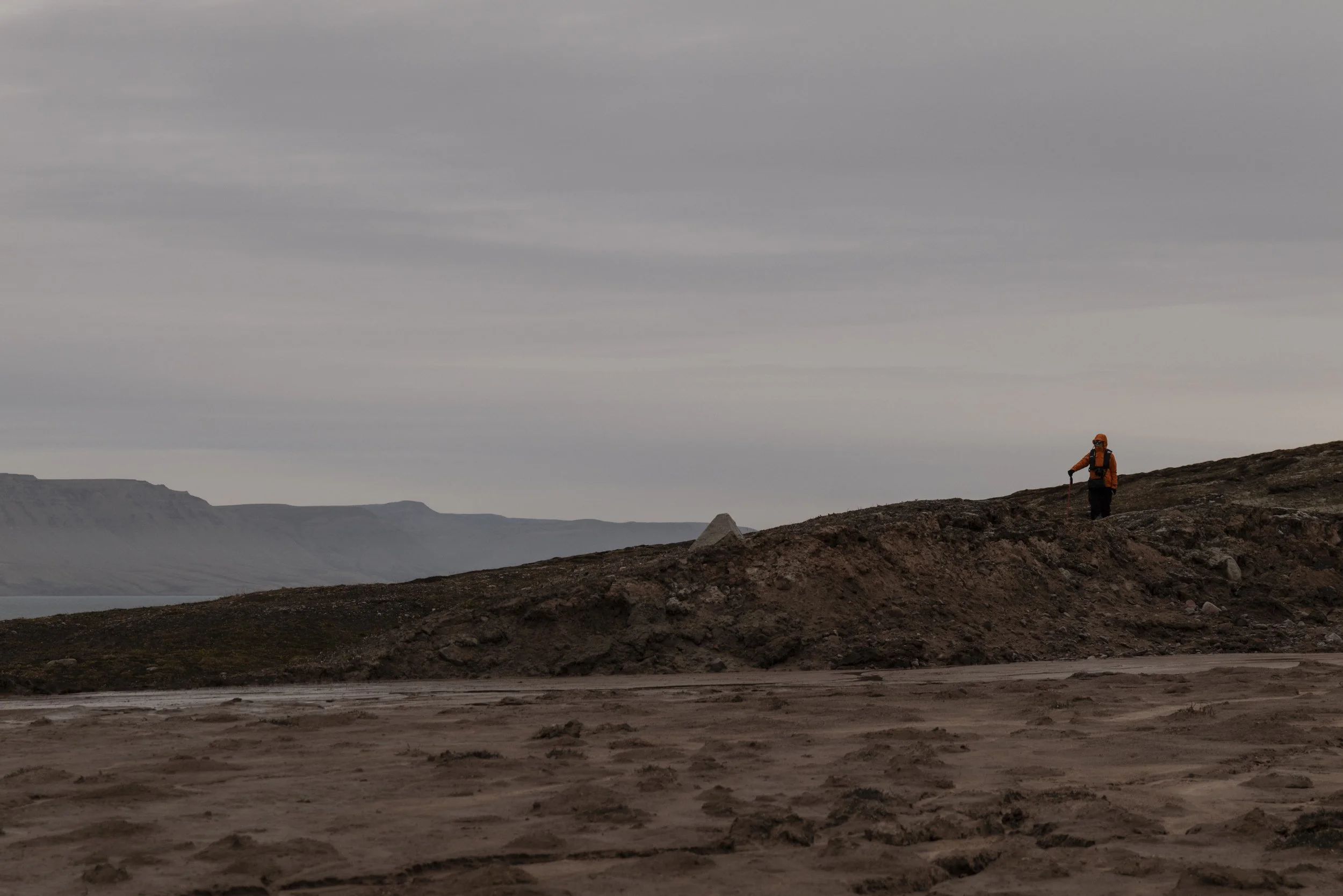
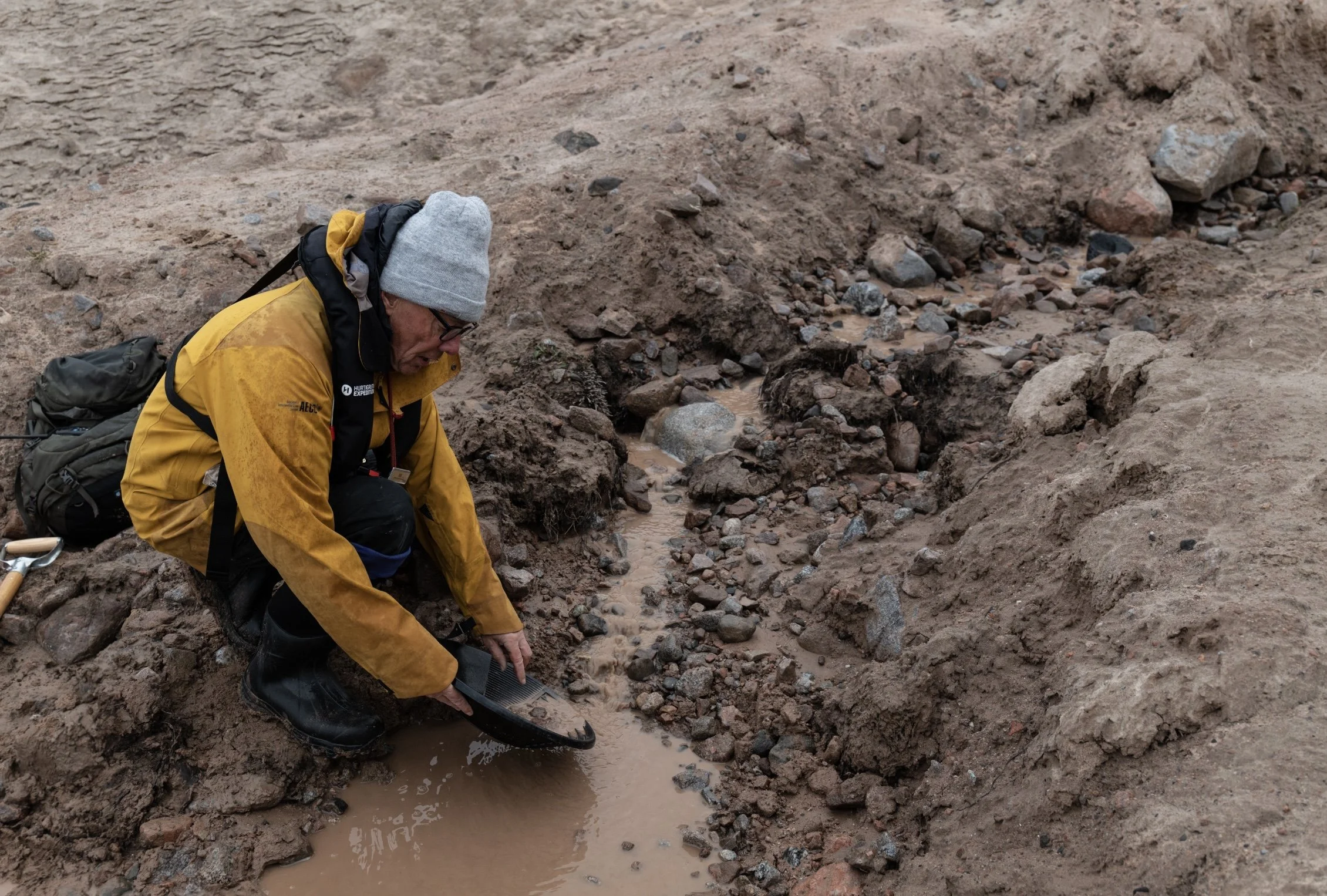
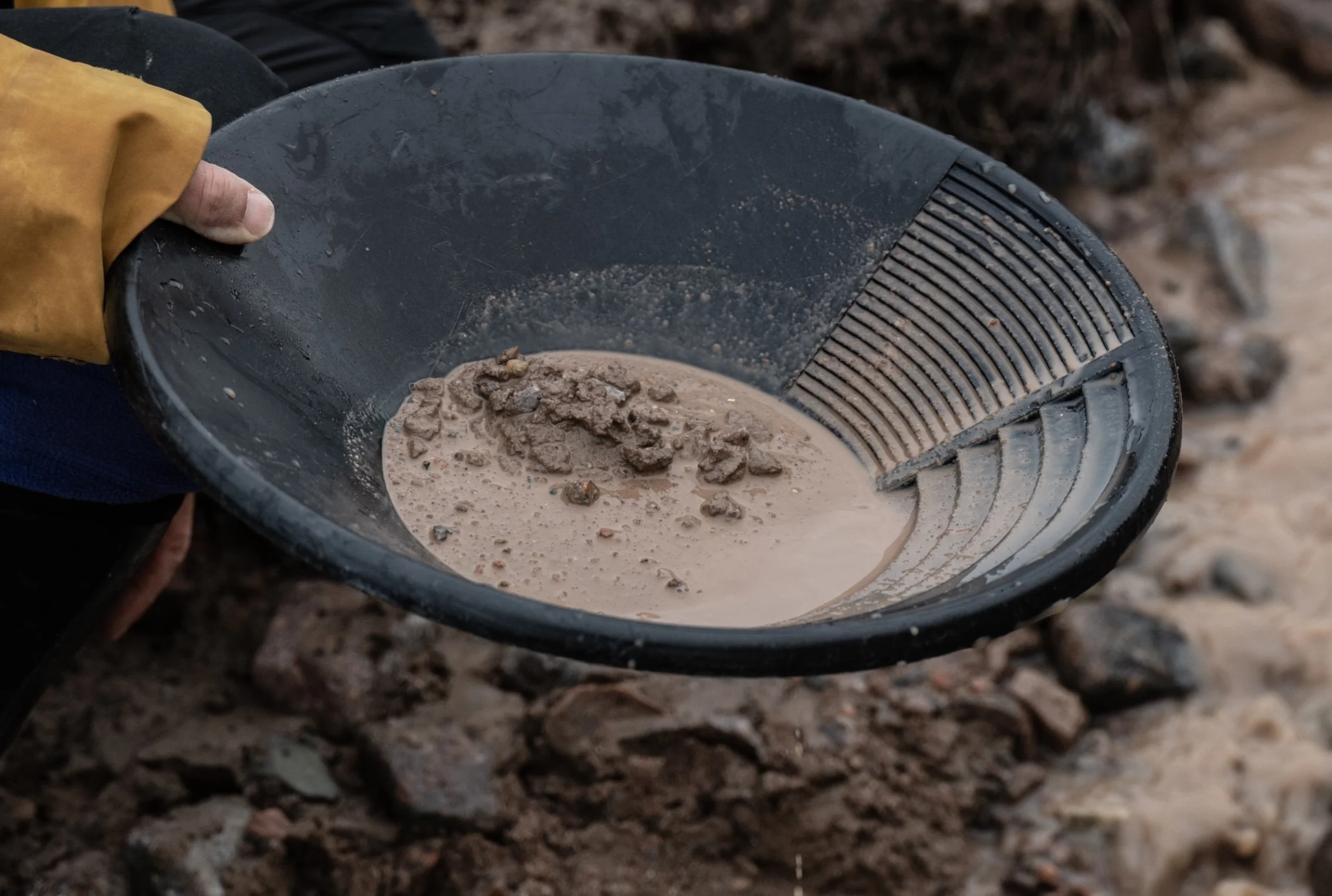
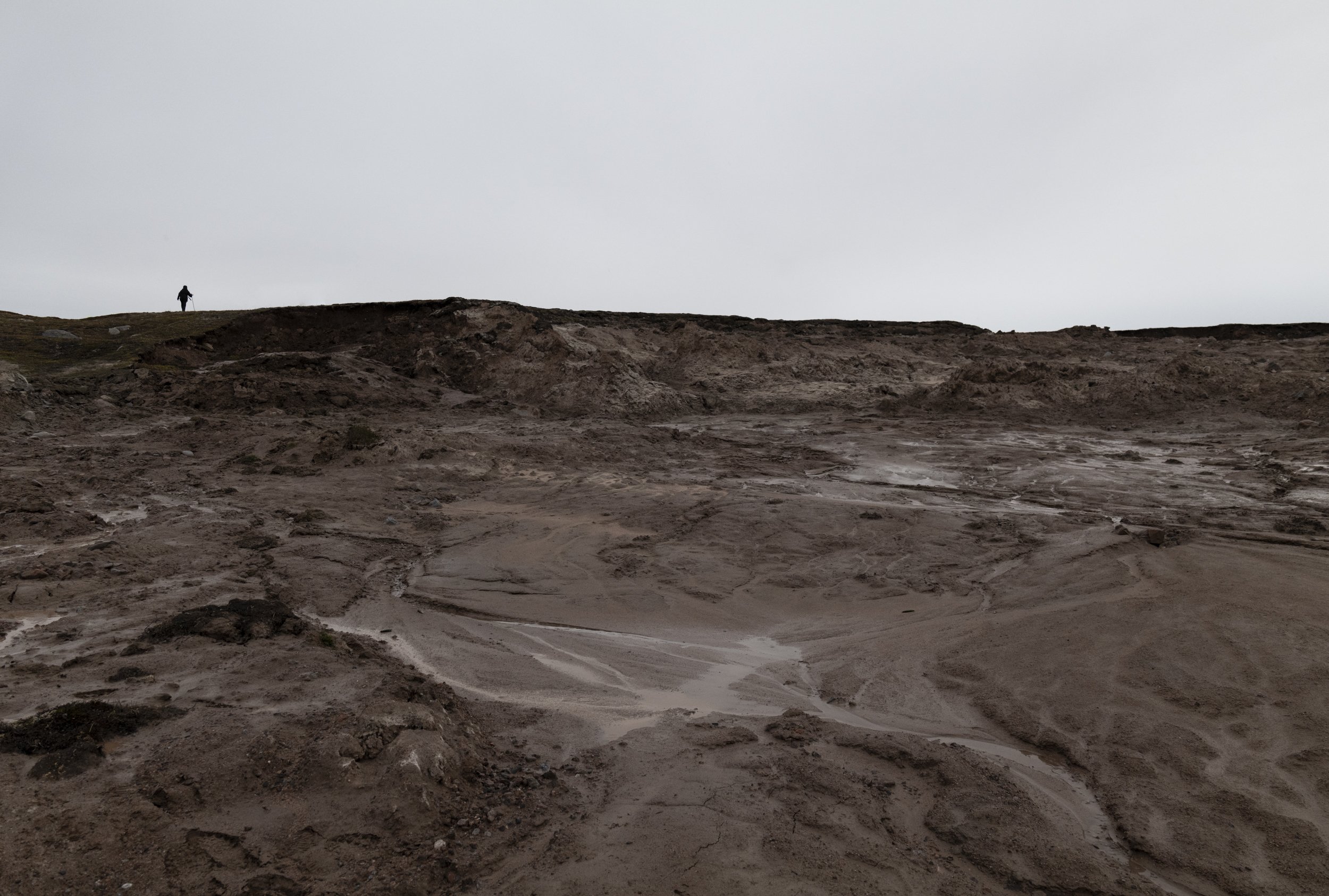
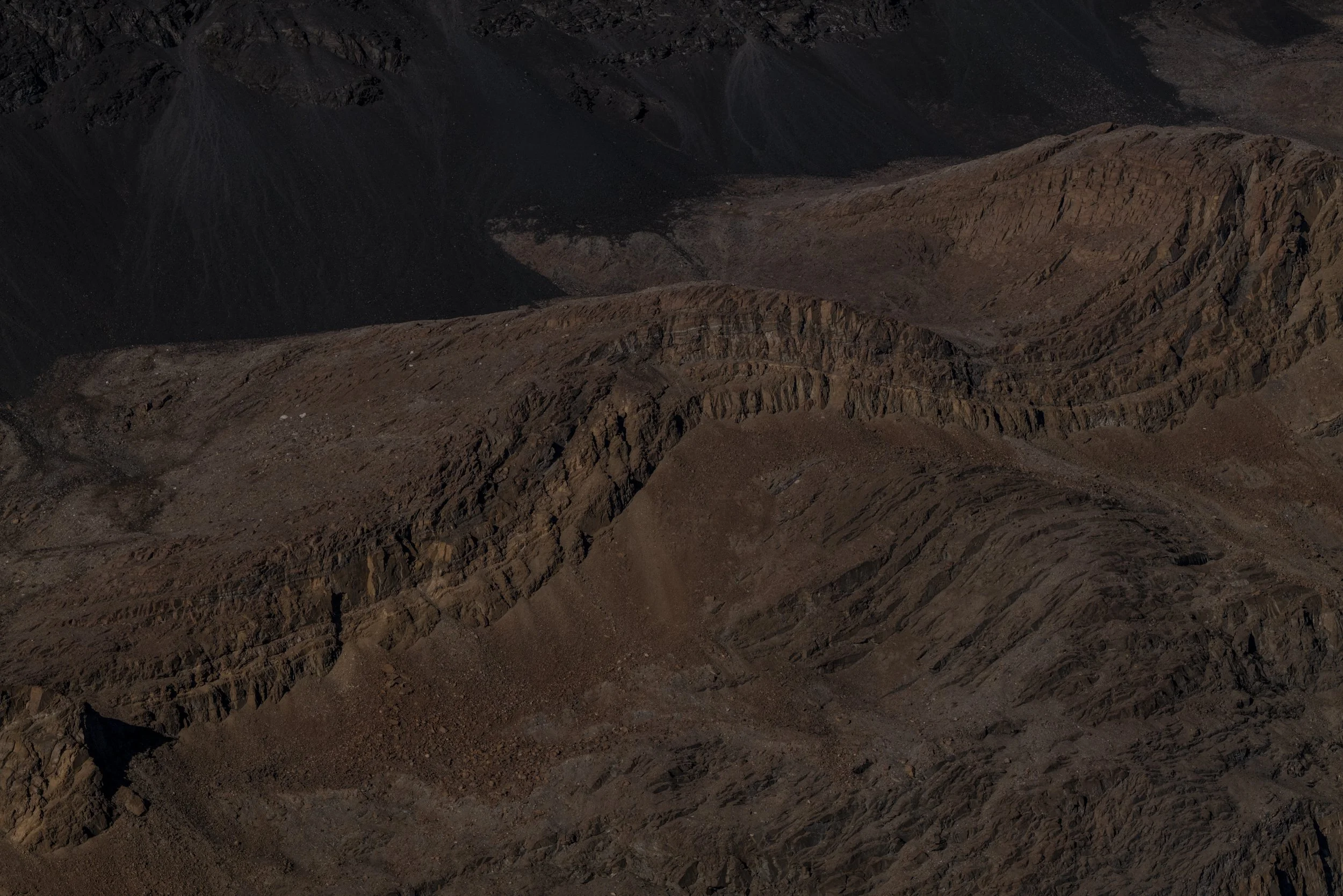
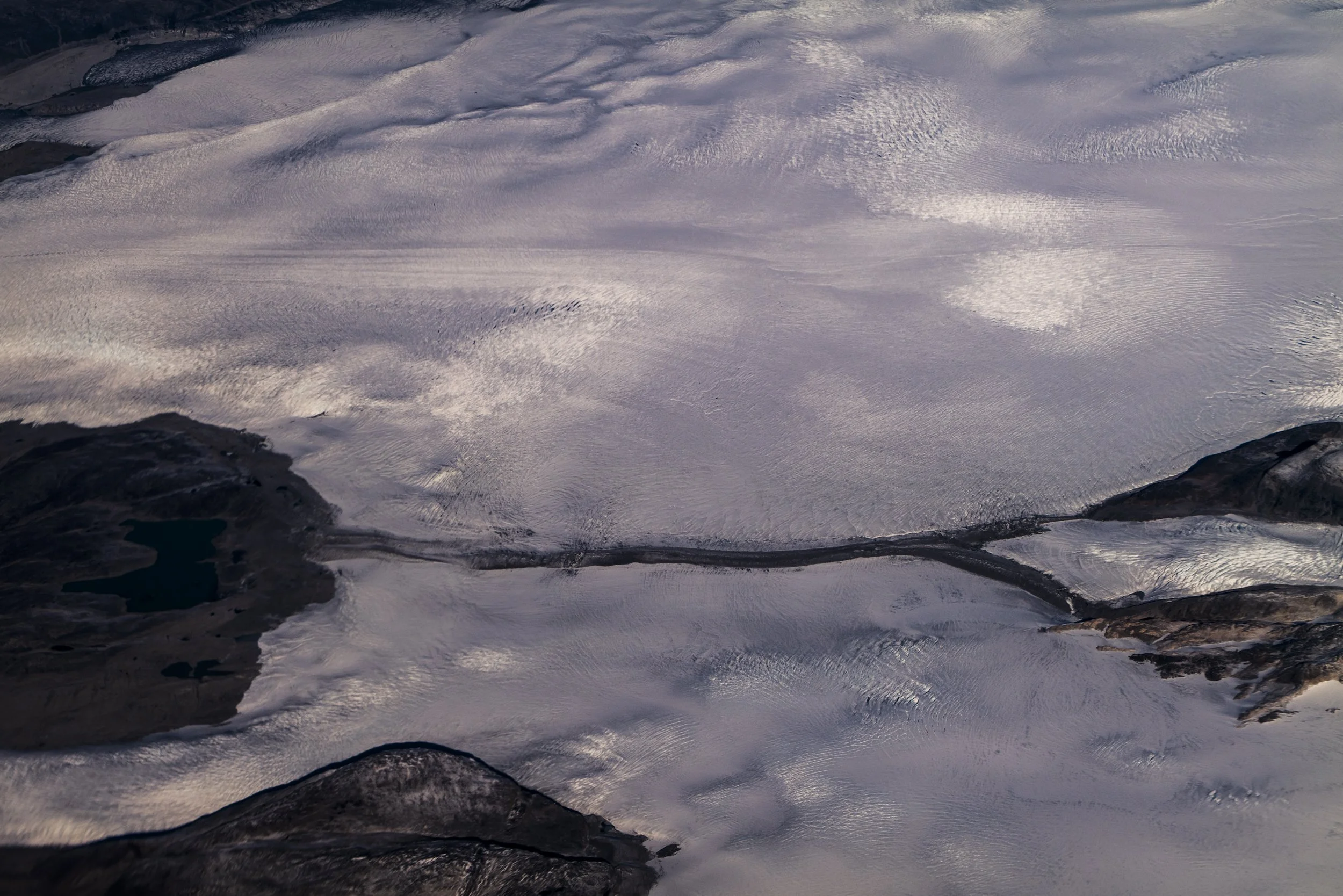
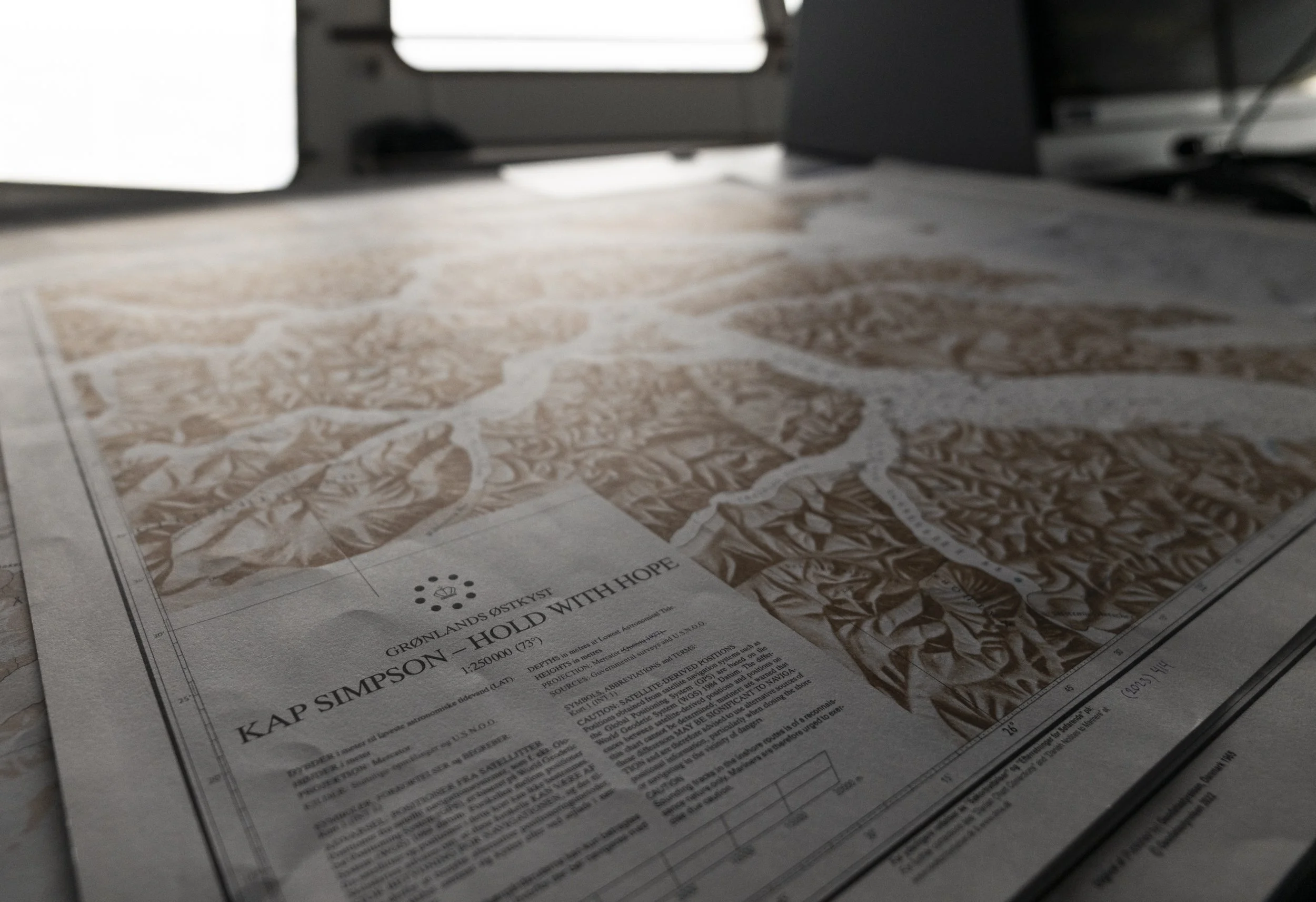
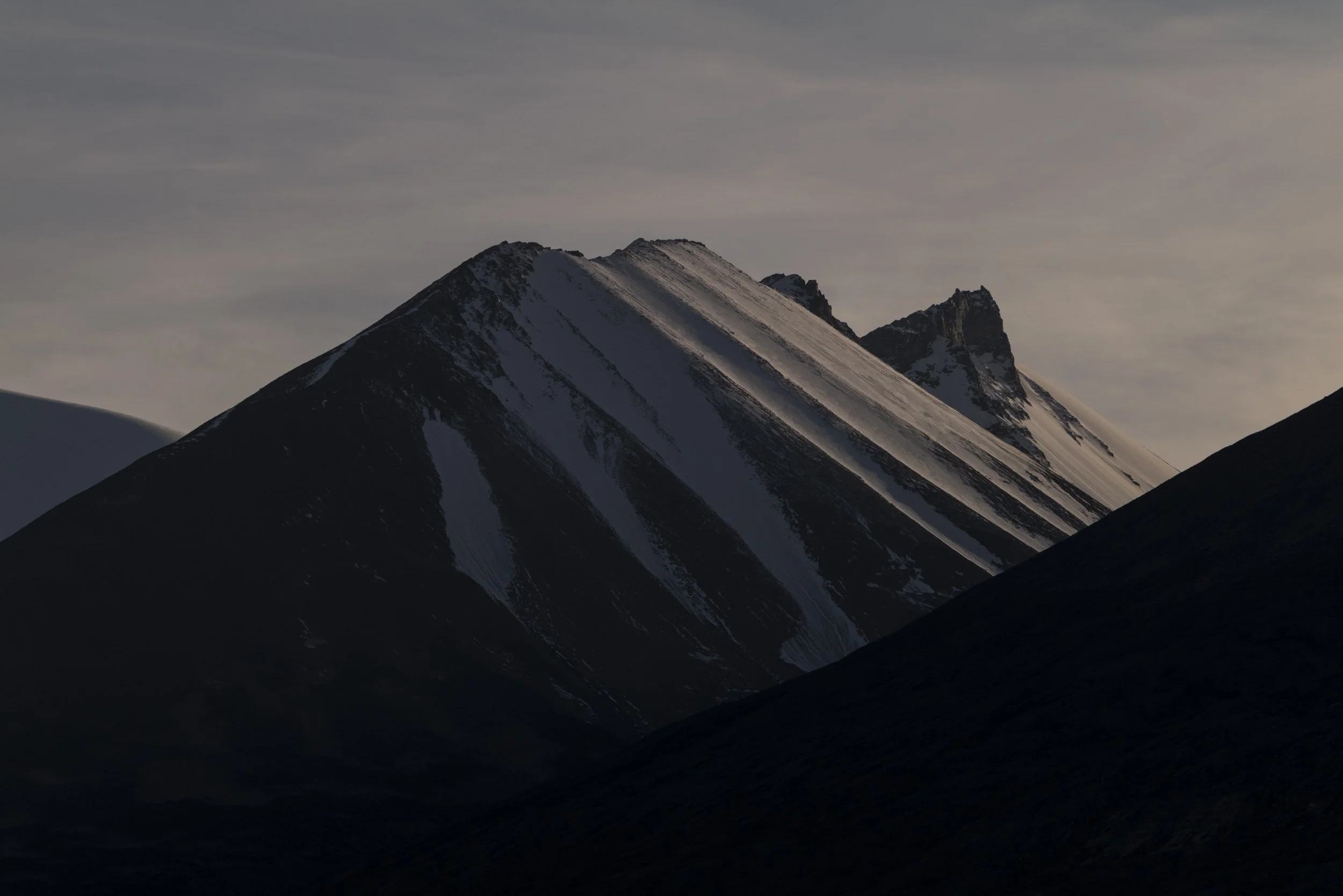
At the same time, the Arctic is no longer treated as a distant frontier. It is a strategic theater. Militarization and security posturing have intensified across the region, and East Greenland is increasingly framed through the lens of global competition. The same landscape that sustains culture and community is also being reinterpreted as territory, as leverage, and as a massive deposit of critical minerals that can shape energy systems, defense supply chains, and economic power.
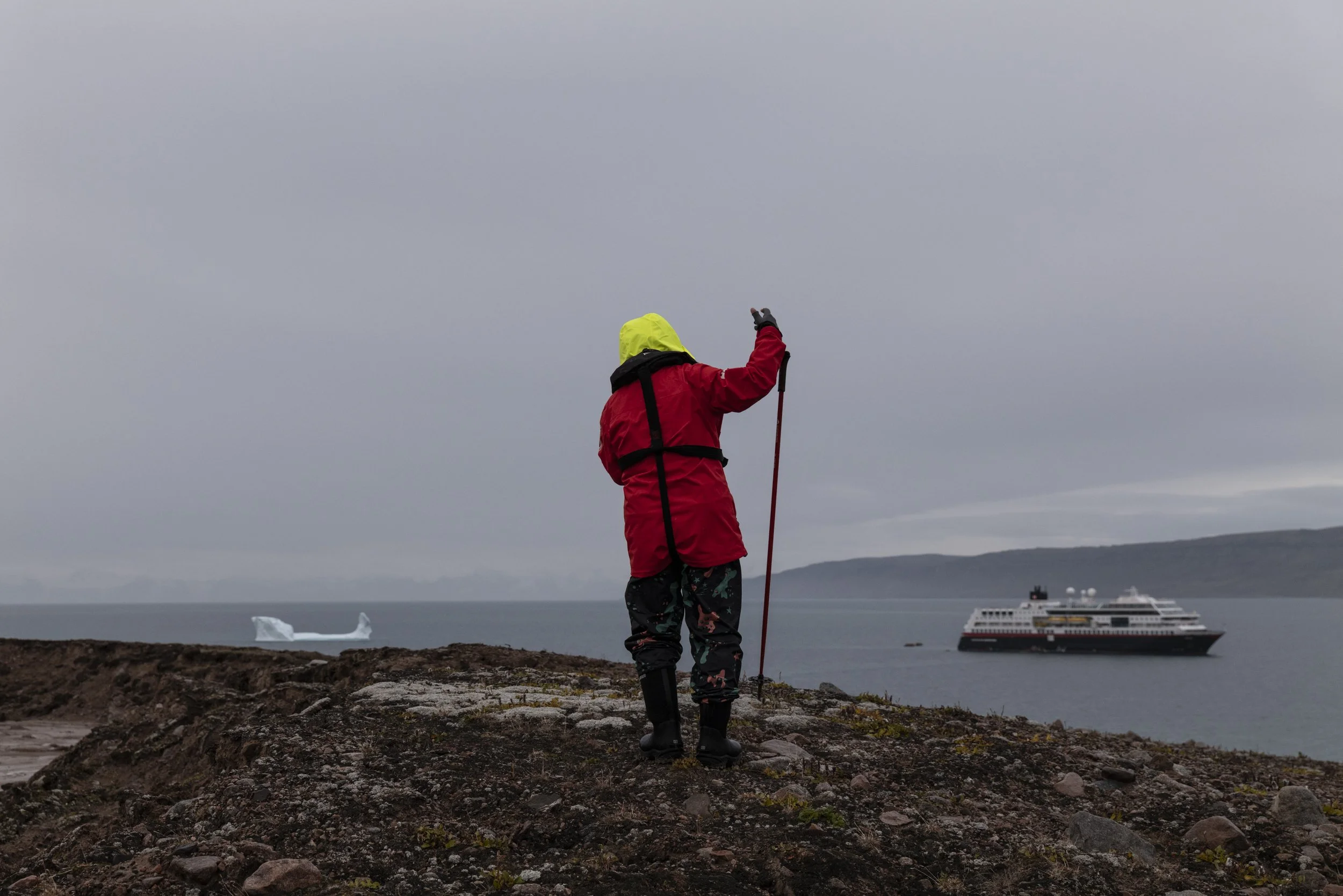
That pressure is not abstract. It is in the headlines. In early January 2026, prominent reporting described renewed U.S. interest in acquiring Greenland, including rhetoric asserting U.S. intent and separate reporting that the White House has evaluated options to bring Greenland under U.S. control. Against that backdrop, this work positions Ittoqqortoormiit as a frontline community living inside decisions made far away.
With many of these images featured in my upcoming book, Midnight Sun (Daylight, May 2026), this body of work is a visual deep dive into East Greenland that treats the land and its indigenous people with dignity and specificity, while refusing to separate local life from the historical and political machinery around it. It is both a portrait of a place and a record of what it feels like when geopolitics arrives at your doorstep.